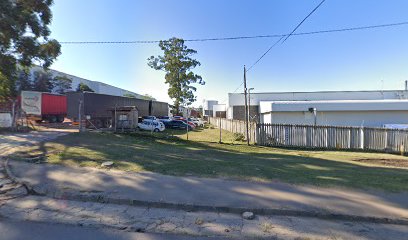
Valostar 169 cc is a Transportation service establishment in Mpumalanga, KwaZulu-Natal, South Africa
Mpumalanga
KwaZulu-Natal
3699
South Africa


Sorry, no records were found. Please adjust your search criteria and try again.
Sorry, unable to load the Maps API.
Transportation services in Mpumalanga and KwaZulu-Natal: an overview
Transportation services in Mpumalanga and KwaZulu-Natal cover a broad range of activities designed to move goods and people efficiently across urban centres, rural townships and remote regions. The landscape includes bustling cities, industrial hubs, agricultural belts and coastal towns, all requiring dependable arrangements for freight, passengers and time-sensitive deliveries. The sector is characterised by a mix of road-based operations, with some inland rail connections and limited air-based services that support specialised needs.
For freight and logistics, the core offerings typically include domestic road haulage, distribution and linehaul services, as well as freight forwarding for multi‑modal shipments. Businesses may arrange capacity for full-load consignments or less-than-load shipments, depending on volume and urgency. Palletised freight, parcel delivery and temperature-controlled transport are common features in industries such as food and perishables, manufacturing inputs and retail supply chains. Where distances are substantial, these services are often coordinated with warehousing or cross-docking facilities to optimise routes and reduce handling times.
Passenger transportation covers scheduled services and customised arrangements, including commuter solutions for towns and peri-urban areas, school transport and charter services for organisations or large groups. Coaches, minibuses and vans are frequently utilised for longer journeys between towns, coastal resorts and inland centres, supplemented by airport transfer services where available. In tourist regions of KwaZulu-Natal, transportation offerings may extend to guided transfers between resorts, game reserves and major attractions, subject to local routing considerations and seasonal demand.
Courier and express delivery form another important pillar, focusing on rapid, door-to-door movement of important documents and parcels. This category emphasises reliability, time windows and careful handling, particularly for items requiring secure chain-of-custody or dedicated delivery personnel. Last-mile services often operate in conjunction with retail networks, e-commerce platforms and small business supply chains, adapting to fluctuating volumes and regional access constraints.
Vehicle hire and vehicle‑based services provide a flexible option for organisations and individuals needing controlled transport without owning a fleet. This can include short-term hires, long-term leasing arrangements and driver-supported solutions where permitted by local regulations. For corporate events or special projects, temporary transport arrangements may combine multiple vehicle types and routes to meet precise schedules and capacity needs.
Practical considerations influence the delivery and execution of transportation services in these provinces. Road infrastructure quality varies between urban corridors and rural routes, potentially affecting travel times and vehicle maintenance requirements. Weather can impact safety and efficiency, particularly during heavy rains or flood-prone periods, orienting operations around updated forecasts and contingency planning. Regulatory requirements include appropriate vehicle licensing, insurance, permissible weights and driver hours, all of which shape the design of transport plans and compliance practices.
Customers evaluating transportation solutions should consider service coverage, reliability and responsiveness. Proximity to major highways and logistical hubs often translates into more predictable schedules and smoother transfers between modes. Recognition of seasonal demand, especially in tourism periods, helps in anticipating capacity constraints. Clear communication on pickup windows, delivery times and required documentation can reduce delays and improve overall satisfaction. It remains prudent to inquire about handling procedures for fragile or high-value items, as well as the availability of tracking options, secure storage, and error-free routing where applicable.
Overall, transportation services in Mpumalanga and KwaZulu-Natal are geared toward balancing speed, cost, safety and regulatory compliance while accommodating the diverse needs of local businesses, residents and visitors. The approach tends to prioritise flexibility, regional knowledge and reliable service levels to support economic activity, supply chains and everyday mobility across these dynamic South African provinces.