AMANDLOLWAZI is a Training centre establishment in New Germany, KwaZulu-Natal, South Africa
Amandlolwazi Training Centre: Overview of Services and Customer Experience
Amandlolwazi Training Centre Pty Ltd, operating as South African Training Centre Pty Ltd (SATC), presents itself as a specialised provider of health and safety training based in New Germany, KwaZulu-Natal. The organisation foregrounds its role in delivering practical, recognised training through a portfolio of courses designed to equip individuals with essential safety expertise and occupational competencies. The emphasis across the offering is on applicable skills that can be utilised directly in the workplace, contributing to a safer working environment and a more capable workforce.
The centre’s main services centre on recognised programmes in first aid, emergency response, health and safety, and skills development. First Aid Training focuses on recognising and managing emergencies in line with prescribed protocols, with typical outcomes framed as the ability to render basic first aid to the community. Emergency Fire Fighting courses train learners to identify, contain, prevent and extinguish different types of fires using standard firefighting equipment. Health and Safety provision covers understanding the duties of employees and employers in relation to Occupational Safety and Health within the workplace. Skills Development stands as a standalone unit standard designed to impart practical capabilities for planning and conducting assessments within a candidate’s field of expertise. An additional offering, Accounting & Bookkeeping, is presented with an ICB Accounting Technician SAICA accreditation, signalling a broader professional development track alongside health and safety training.
The centre positions its mission around delivering a world-class training service aimed at educating and empowering South Africans in the Occupational Health & Safety field. The stated impact metrics—thousands of students trained and thousands of lives reportedly helped—underline the organisation’s commitment to scalable, practical learning that translates into real-world safety improvements. The content highlights a broad reach within the occupational safety sector and an emphasis on developing a reliable, skilled workforce.
From a customer experience perspective, the site signals a structured approach to learning, with courses presented as discrete categories that learners can explore in depth. Each course area links to more detailed information, indicating a modular, easy-to-navigate pathway for prospective students or organisations seeking specific training outcomes. The design suggests a process where potential participants review course categories, assess what is required to achieve the relevant unit standards, and proceed to further information to understand content, outcomes, and delivery formats.
Practical tips for customers
- Review the course descriptions to confirm the specific unit standards and practical outcomes associated with each programme (e.g., first aid, fire fighting, health and safety, skills development, and accounting and bookkeeping).
- Consider how the chosen courses align with current occupational needs or regulatory requirements, particularly in safety-critical roles or sectors.
- Check delivery options and prerequisites on the linked pages to ensure the selected training fits organisational timelines and staff capabilities.
- Plan ahead for group bookings or customised in-house training by exploring the “Learn More” sections for each course category, which typically outline scope and potential delivery arrangements.
- Take note of the mission emphasis on empowering South Africans in the OHS field, which may reflect a pragmatic, hands-on teaching philosophy and a focus on real-world applicability.
Location and scope
- The centre is based in New Germany, KwaZulu-Natal, South Africa, and presents itself as a provider of safety and related professional training for individuals and organisations seeking to enhance occupational safety and related competencies.
- The offerings span fundamental life-saving skills (first aid), emergency preparedness (fire fighting and prevention), workplace safety (health and safety), practical assessment and skills development, and financial accuracy through accounting and bookkeeping accreditation.
Additional considerations
- The site communicates a commitment to practical, community-oriented outcomes—evidenced by its mission and the naming of unit standards linked to recognised accreditation bodies.
- For transparency on timelines, costs, certification specifics, and delivery formats, visitors should consult the individual course pages and the site sections dedicated to first aid, fire protection, health and safety, skills development, and accounting and bookkeeping.
Overall, AMANDLOLWAZI in this training centre category combines a focused suite of health and safety qualifications with related professional development, framed within a customer experience that appears to prioritise clear course pathways, practical outcomes, and a mission-driven approach to empowering learners and improving workplace safety standards.
New Germany
KwaZulu-Natal
3600
South Africa
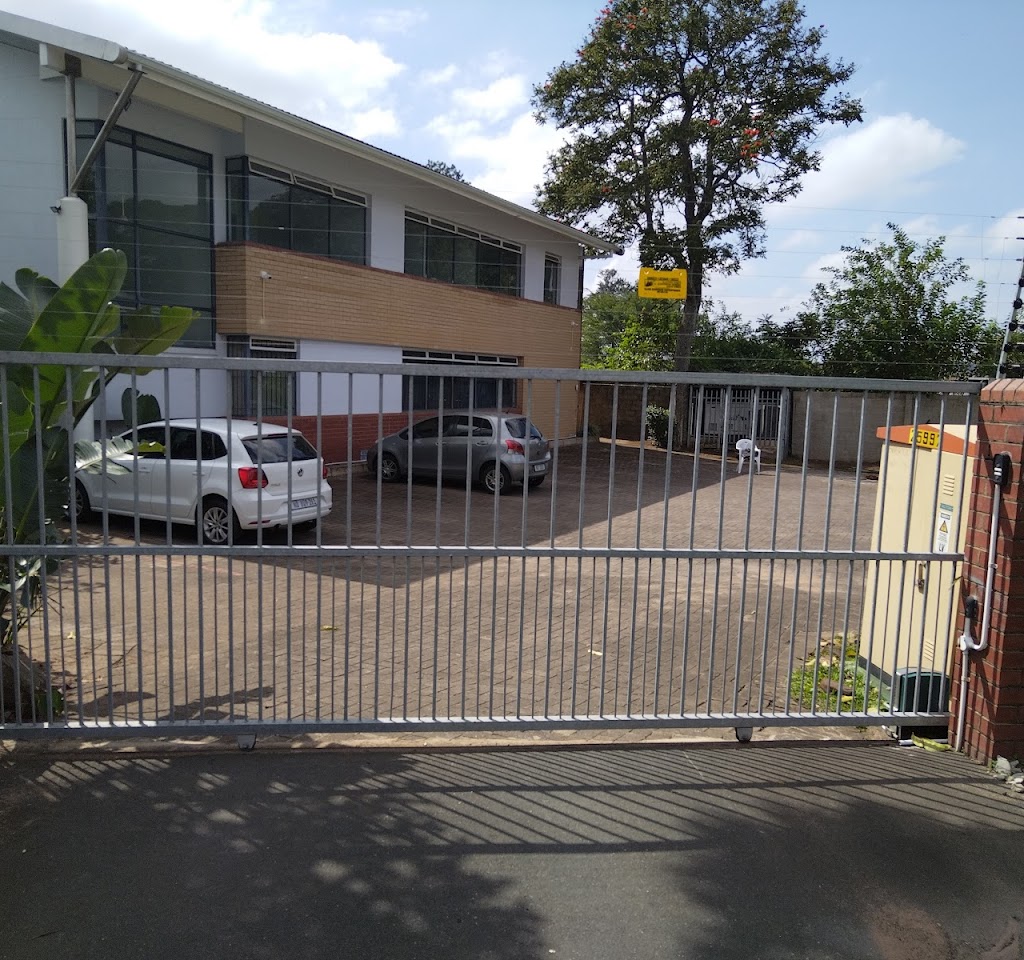
Sorry, no records were found. Please adjust your search criteria and try again.
Sorry, unable to load the Maps API.
Training Centre Services in New Germany, KwaZulu-Natal: A Practical Overview
Training centres in New Germany, KwaZulu-Natal offer a range of structured learning solutions designed to support individuals and organisations in developing practical skills, improving employability, and meeting regulatory or industry requirements. These centres commonly provide programmes that blend theoretical instruction with hands-on practice, reflecting the region’s dynamic mix of industrial, commercial, and service sectors.
Curriculum and programmes typically cover foundational and technical areas. A standard portfolio may include introductory courses in information technology, basic computer skills, and workplace software, alongside more specialised offerings such as electrical and engineering fundamentals, plumbing, or construction-related trades. Professional development and soft skills programmes are frequently available to enhance communication, teamwork, problem-solving, and customer service. Short courses, customised in-house training, and accredited programmes are often part of the mix, allowing organisations to address specific skills gaps or compliance needs.
Practical learning facilities are a common emphasis. Training centres tend to prioritise safe, well-equipped classrooms and workshops that mirror real-world environments. Access to hands-on equipment, tools, and simulators enables learners to practise competencies under supervised conditions before applying them in the workplace. Where relevant, there may be dedicated labs for computer-based training, electronics, or electrical testing, with appropriate safety measures and instructor oversight.
Delivery methods are typically flexible to accommodate diverse learners. Classroom-based instruction remains prevalent, supported by practical sessions in laboratories or workshop spaces. Many centres also offer blended approaches, combining short in-person sessions with online components to reinforce concepts and enable self-paced study. Assessment tends to utilise a mix of practical demonstrations, written assessments, and project-based work designed to gauge competence and progress.
Industry relevance and partnerships are important considerations. Training providers in New Germany often align courses with local industry needs and regulatory standards, organising partnerships with employers, industry bodies, or community organisations to support placement opportunities, internships, or apprenticeships where feasible. While the exact affiliations vary, the emphasis remains on ensuring learning outcomes translate into real-world capability and improved employability.
Student experience and support are central to the service model. Learners can expect guidance on course selection, progression routes, and study planning. Some centres offer career information, counselling, and access to resources such as study materials, libraries, or tutoring services. Administrative processes are typically designed to be clear and straightforward, with transparent enrolment steps, scheduling, and assessment timelines communicated by staff.
Facilities and logistical considerations also shape the experience. Training centres in this area are usually conveniently located for local commuters, with available parking or public transport access. While many centres strive for accessible design, it is prudent for potential attendees to verify suitability regarding accessibility and any special accommodations needed. Continuity of learning may be supported by clear timetables, reliable sessions, and responsive student services that address concerns about attendance, certification, or next steps after completion.
Pricing and funding options are commonly diverse, reflecting a mix of government or private funding, bursaries, or employer-funded programmes. Prospective learners are advised to inquire about the most appropriate funding route, the scope of coverage for tuition and materials, and any registration fees. Clear information about prerequisites, duration, and expected outcomes helps applicants assess alignment with personal or organisational objectives.
In summary, Training centre services in New Germany, KwaZulu-Natal, prioritise practical skills development, flexible delivery, and supportive learning environments. The emphasis is on producing tangible gains in capability, readiness for workplace tasks, and ongoing professional growth, while balancing safety, accessibility, and local industry relevance.