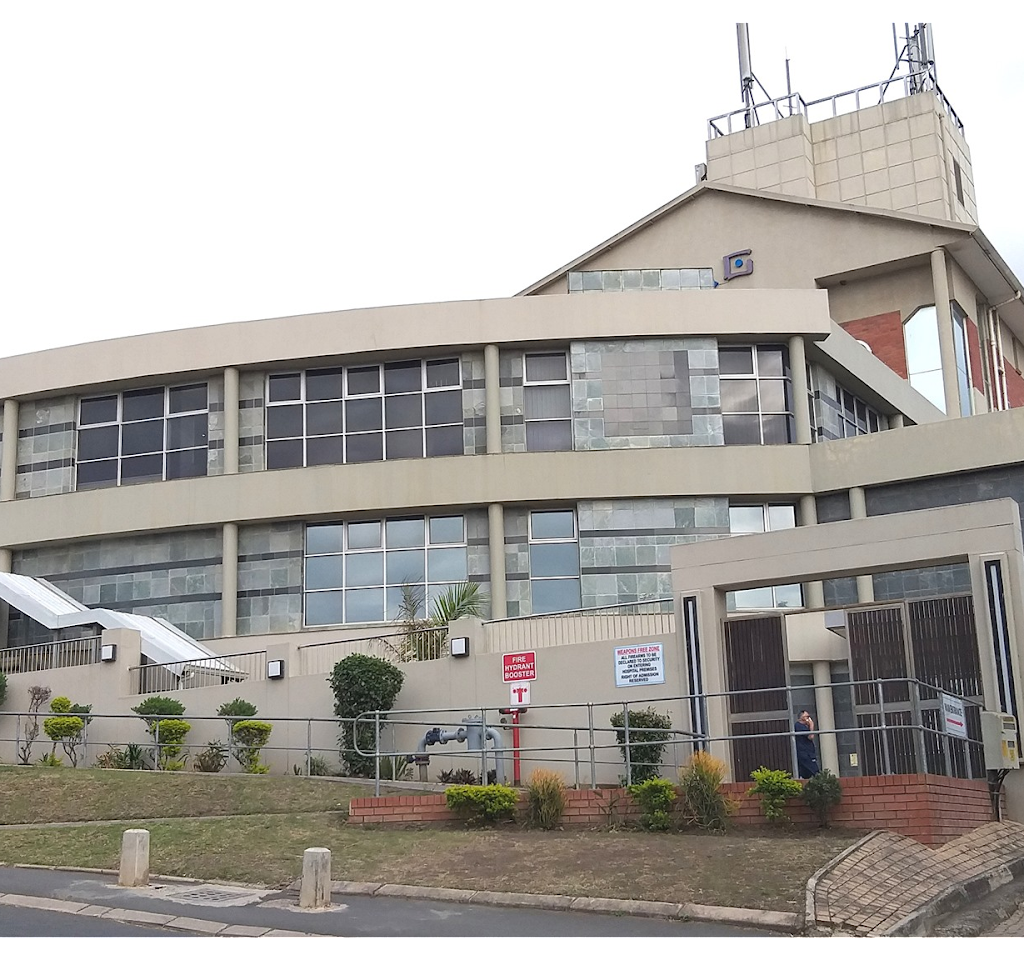
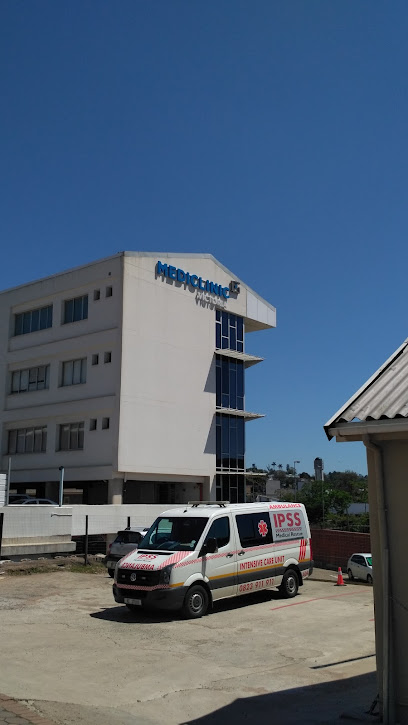
Mediclinic Victoria Hospital is a Hospital establishment in oThongathi, KwaZulu-Natal, South Africa
oThongathi
KwaZulu-Natal
4400
South Africa
Sorry, no records were found. Please adjust your search criteria and try again.
Sorry, unable to load the Maps API.
Hospital Services in oThongathi, KwaZulu-Natal: An External Overview
Hospital facilities in oThongathi, KwaZulu-Natal, form an essential part of the local healthcare network, serving both residents and the surrounding communities. The services available typically reflect those found in district and regional hospitals within the province, prioritising acute care, ongoing medical management, and essential elective procedures. In practice, patients may encounter a mix of public and private providers in the broader area, with public facilities often operating under provincial health authorities and private clinics offering supplementary services.
Emergency and urgent care
- Emergency departments are designed to assess, stabilise, and treat patients with acute medical or traumatic conditions. Visitors should be prepared for short wait times during busy periods, and triage processes determine the order of treatment based on the severity of need.
- For non-life-threatening problems, many facilities provide after-hours care or access to a general practitioner on call. In rural-adjacent areas, arrangements for urgent care often direct patients to the nearest suitable hospital with emergency services.
General medicine and specialist avenues
- General medicine covers a broad range of acute illnesses, chronic disease management, and routine diagnostic workups. This may include assessments for respiratory, cardiac, and infectious complaints, along with management plans for conditions such as diabetes and hypertension.
- Specialist services commonly include internal medicine, paediatrics, obstetrics and gynaecology, and surgery. In larger district settings, consultations with allied health professionals—such as physiotherapists, occupational therapists, and speech and language therapists—are integrated into patient care where available.
Maternity, paediatrics, and women’s health
- Antenatal care typically features regular check-ups, ultrasound screening when indicated, and delivery services staffed by obstetric teams. Postnatal follow-ups and newborn care are standard components, with lactation support and newborn assessments often provided on site.
- Paediatric services address routine childhood health, immunisations, growth monitoring, and the management of common paediatric illnesses. Where necessary, access to accident and emergency care for children is a priority.
Diagnostics and imaging
- Diagnostic imaging, including radiology and ultrasound, often plays a critical role in patient evaluation. Laboratory services, including blood tests and pathology, support diagnosis, monitoring, and treatment decisions.
- Imaging and laboratory turnaround times can vary depending on patient volume and resource availability, influencing the pace of clinical decision-making.
Surgical and rehabilitation services
- Elective and emergency surgical procedures may be offered at larger facilities within the region. Pre-operative assessments, anaesthesia, and post-operative care are standard elements of surgical pathways.
- Rehabilitation services, where available, focus on restoring function after injury or illness. This may involve physical therapy, occupational therapy, and rehabilitation planning as part of discharge and recovery.
Practical considerations for patients and visitors
- Access and transport: Public transport links and road networks connect oThongathi to neighbouring towns and clinics. Private transport is common, and parking facilities vary by site.
- Appointments and waiting times: The public system often operates on appointment schedules complemented by walk-in options for urgent concerns. Waiting times may be longer at peak periods.
- Documentation: Basic identification, proof of medical aid where applicable, and a history of current medications aid efficient assessment and care coordination.
- Continuity of care: Coordination with primary care providers and ongoing management plans is emphasised to prevent fragmentation of treatment, especially for chronic conditions.
- Costs and funding: Public hospital services are funded through provincial health programmes, while private services operate under insurance schemes or out-of-pocket arrangements. It is advisable to confirm eligibility and expected costs in advance where possible.
Overall, hospital services in and around oThongathi aim to deliver comprehensive acute and ongoing care within the KwaZulu-Natal healthcare framework. While the exact facilities and service levels vary by site, patients can generally expect structured emergency access, essential medical and surgical care, diagnostic support, and rehabilitation options tailored to the needs of the local population.