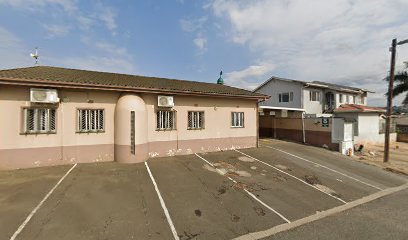
Musjid-e-Abubakr Siddique is a Mosque establishment in Phoenix, KwaZulu-Natal, South Africa
Phoenix
KwaZulu-Natal
4068
South Africa
Sorry, no records were found. Please adjust your search criteria and try again.
Sorry, unable to load the Maps API.
Mosque Services in Phoenix, KwaZulu-Natal, South Africa: A Practical Overview
In Phoenix, KwaZulu-Natal, mosques function as central hubs for daily prayer, religious education, and community support. These places of worship are typically respectful, orderly spaces designed to accommodate worshippers from diverse backgrounds who share a commitment to Muslim practice. Visitors should expect a quiet ambience, modest attire, and a layout that prioritises clean ablution facilities and prayer areas.
Daily prayers form the core routine, with the five daily salah observed by congregants. The call to prayer marks the rhythm of the day, guiding the community through times for reflection, recitation, and social connection. The Friday Jumu’ah prayers attract larger congregations, often accompanied by a short sermon (khutbah) that addresses spiritual, social, and ethical topics relevant to local life in Phoenix and the broader region.
In addition to regular worship, mosques in this area typically offer educational programmes for all ages. These may include Quranic instruction, tajweed classes, and basic Islamic studies covering jurisprudence, history, and principles of personal conduct. Activities are frequently organised to support families, such as weekend lessons for children and study circles for adults. For those seeking introductory information, many mosques provide outreach sessions that explain the fundamentals of Islam, the significance of prayer, and how to observe religious duties in daily life.
Community services commonly extend beyond worship and study. Practical support can include guidance on charitable giving, such as zakat and sadaqah, and arrangements for assisting neighbours in need. Mosques often act as community centres for social solidarity, hosting events around Eid al-Fitr and Eid al-Adha, arranging meals during Ramadan, and coordinating volunteer efforts for neighbourhood projects. These activities foster a sense of belonging and mutual aid within Phoenix’s Muslim community.
Facilities within mosques are typically designed to accommodate hygiene and convenience. Ablution (wudu) areas provide clean spaces for ritual washing, and the prayer halls are laid out to facilitate orderly rows of worshippers facing the Qibla. Prayer mats, modest seating, and appropriate ventilation contribute to a comfortable environment. Some sites may have separate areas or times for women, depending on the size and layout of the building, and notices on entrance doors or noticeboards help visitors understand the appropriate etiquette.
Practical considerations for visitors include adhering to modest dress and refraining from loud conversations within prayer spaces. Arriving a little before prayer times is courteous, particularly for Friday prayers when crowds can be larger. If an individual is unsure about etiquette or procedures, seeking guidance from mosque staff or volunteers is a sensible approach, as many mosques welcome respectful questions from newcomers and visiting worshippers.
Small businesses and services linked to the mosque community may include language-supported classes or study circles that reflect Phoenix’s local demographics, including South African languages alongside Arabic studies in some instances. While specific programmes vary from one mosque to another, the overall framework remains rooted in worship, education, and communal support.
For anyone visiting Phoenix, a mosque visit offers more than a religious obligation; it provides a window into local culture, shared values, and the practical rhythms of community life. Guests should approach with respect, an open mind, and a willingness to participate in the peaceful, reflective atmosphere that characterises these religious spaces.