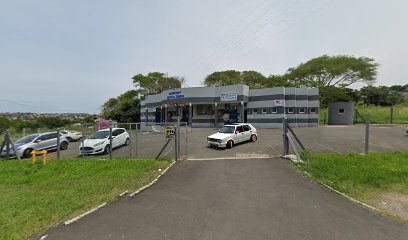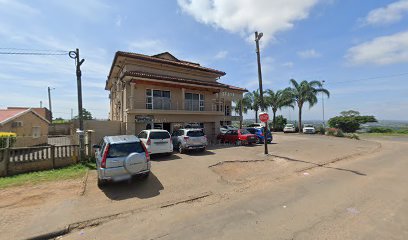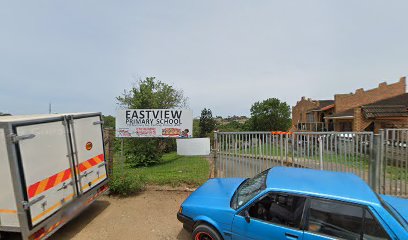
Eastview Primary School is a Primary school establishment in Phoenix, KwaZulu-Natal, South Africa
Phoenix
KwaZulu-Natal
4068
South Africa
Sorry, no records were found. Please adjust your search criteria and try again.
Sorry, unable to load the Maps API.
Overview of Primary School Services in Phoenix, KwaZulu-Natal
Primary schools in Phoenix, KwaZulu-Natal offer a spectrum of educational services designed to support learners from early grades through the senior primary years. These institutions typically emphasise foundational literacy and numeracy, social development, and a broad-based curriculum aligned with national and provincial guidelines. Parents and guardians can expect schools to provide a structured environment that caters to the needs of diverse communities, including English-speaking and isiZulu-speaking learners, as well as learners from multilingual households.
Instruction commonly covers core subjects such as language (English and an African language, often isiZulu), mathematics, science, social studies, and environmental education. Additional focus may be placed on life skills, health education, arts and culture, and physical education. Many schools incorporate a holistic approach that recognises the importance of character education, discipline, and responsible citizenship. Assessment typically occurs through regular testing, termly evaluations, and progress reports that keep guardians informed about academic achievement and developmental milestones.
Beyond mainstream academics, primary schools in Phoenix often provide a range of structured support services. These may include reading programmes for beginners and struggling learners, maths clinics, and language development sessions. Learner support practices aim to identify and address individual needs while promoting inclusive education. Where resources permit, schools may partner with local community organisations to enhance support for learners with special educational needs or those requiring additional interventions.
Practical routines form a central part of school life. The school day usually begins with a formal or informal assembly, followed by lessons in a timetable that reflects grade level expectations. Breaks and lunch periods are scheduled, with attention given to safety and supervision. Many campuses implement school uniforms and a dress code, contributing to a sense of belonging and discipline. Transport arrangements vary; some learners travel by bus or private means, while others are dropped off by families. Parking and pedestrian safety are common considerations for school access and congestion management.
Extracurricular and after-school opportunities are an important element of the primary school experience. A typical offering includes games and sport, such as cricket, rugby, netball, or athletics, alongside cultural activities like music, drama, and traditional dance. These activities support teamwork, resilience, and social interaction, while giving learners space to explore talents beyond the classroom. Aftercare services are often available either on-site or through nearby community partners, providing supervision and constructive activities for working parents.
When selecting a primary school in Phoenix, several practical considerations come into play. Proximity to home or work can influence daily logistics, and parental engagement is commonly welcomed in school governance structures and PTA-type forums. Parents may wish to inquire about security measures, school safety policies, and the availability of adequate supervision during school hours. Educational philosophy, class sizes, and teacher qualifications are also relevant factors, as are the school’s climate for inclusivity, discipline, and pastoral care. Fees and funding options, such as local bursaries or association support, may influence accessibility, though specific costs are typically discussed directly with the school during the admission process.
In summary, primary school services in Phoenix provide a structured, well-rounded education designed to build core academic competencies, social skills, and a foundation for lifelong learning. The typical experience blends formal instruction with support services, practical daily routines, and a range of extracurricular activities aimed at fostering well-being, confidence, and community connection for learners in this KwaZulu-Natal locale.