Kwa Botha is a Livestock dealer establishment in Cato Ridge, Kwa-Zulu Natal, South Africa
Kwa Botha: Livestock dealer in Camperdown near Cato Ridge, Kwa-Zulu Natal
Kwa Botha operates as a livestock supplier positioned between Pietermaritzburg and Durban, within the Camperdown area on Bishop Street. The business presents itself as a source of premium quality cattle, sheep and goats, emphasising a broad range and flexibility for both retail and wholesale customers. The emphasis throughout is on supplying the best stock available, accompanied by competitive pricing and a willingness to source specific items on request. This combination suggests a focus on value, convenience and customised procurement for a wide range of clientele in the region.
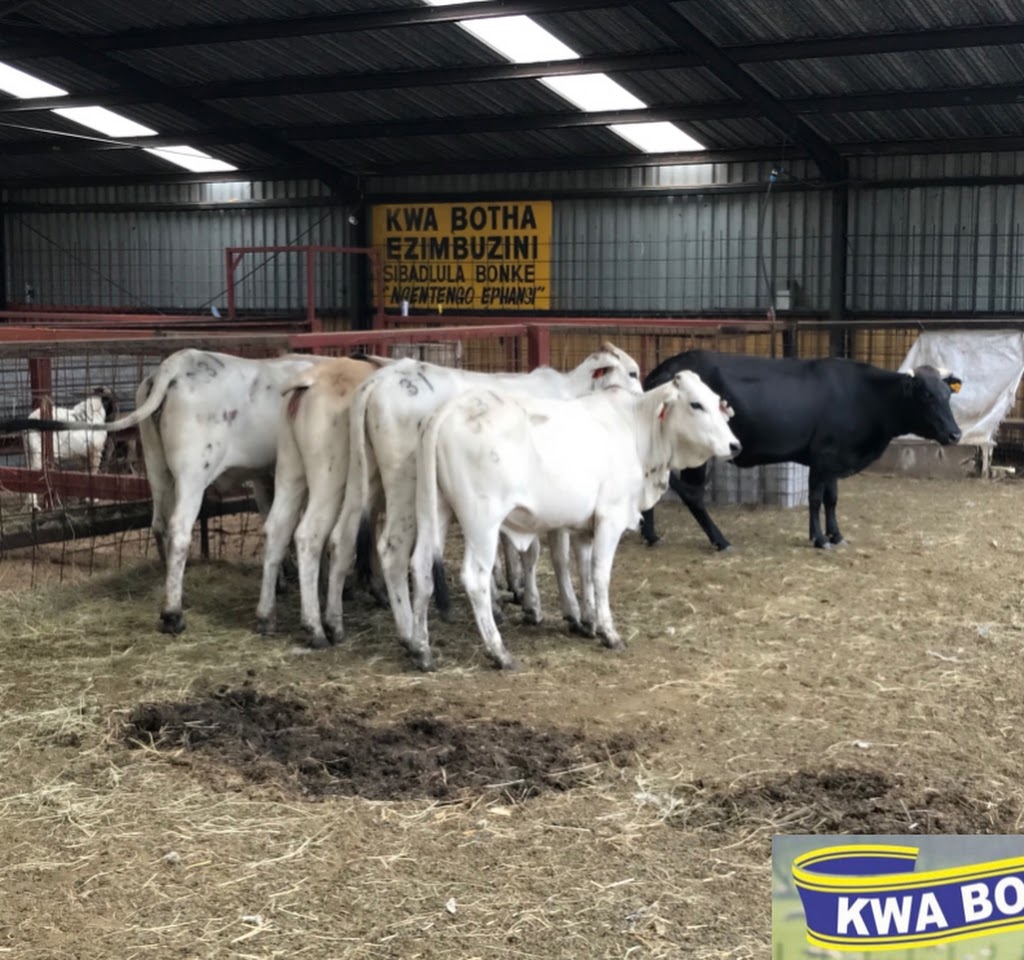
The core offering centres on three key animal categories: cattle, small stock (sheep and goats), and associated livestock needs. Kwa Botha advertises the widest ranges of cows, bulls and oxen, alongside a comprehensive selection of lambs, ewes and rams, and an equally broad assortment of goats. This breadth positions the business as a one-stop destination for farmers, breeders and other livestock buyers seeking different classes of animals under one roof. The stated aim is to provide “the best stock” and “Premium Quality” livestock, coupled with dependable pricing that caters to diverse budgets.
In addition to standard stock, Kwa Botha highlights several value-added capabilities designed to enhance the customer experience. The business notes a willingness to source items that are not currently available in stock, indicating a proactive approach to meeting customer needs. This sourcing service can be particularly valuable for buyers pursuing specific breeds, sizes or traits that may not be routinely stocked. The overall ethos conveyed is one of accessibility and responsiveness, with a commitment to delivering substantial choices and practical solutions for livestock procurement.
Typical job types and customer needs
- Retail cattle purchases for farm replacement, breeding programmes or market stalls.
- Wholesale stock requirements for larger farming operations or agricultural ventures seeking bulk cattle, sheep, goats or mixed lots.
- Breeding stock selection, including cows, bulls and rams, to support herd improvement or genetic programmes.
- Small stock purchases for flock diversification, meat production or educational purposes.
- Specialised sourcing requests where specific breeds or configurations are required but not readily available in stock.
While the site content does not provide explicit service-by-service tangibles such as veterinary support, transport arrangements, or on-farm delivery, the stated accessibility of contact channels—email and WhatsApp—suggests a business model designed to respond quickly to customer enquiries and arrange arrangements as needed. The proximity to major centres, including Durban and Pietermaritzburg, implies practical logistics considerations for buyers travelling to the site or arranging delivery within the region.
How requests typically work
Based on the information available, potential buyers can initiate contact via the provided email form or WhatsApp messaging to discuss inventory, pricing and any special sourcing requirements. The advert suggests that Kwa Botha is prepared to source missing items upon demand, which implies a process of confirming needs, checking availability, negotiating terms and arranging collection or delivery as part of a seamless procurement experience. The emphasis on “Premium Quality” and best prices indicates a customer-focused approach designed to balance quality with affordability.
Practical tips for customers
- Clarify stock needs early: specify cattle classes (e.g., cows, bulls, oxen), small stock (lambs, ewes, rams) or goats, including breed or age preferences where possible.
- Inquire about sourcing options: if a desired item is not in stock, ask about Kwa Botha’s sourcing capabilities and typical lead times.
- Discuss pricing structure: request bulk pricing for wholesale purchases and explore any bundled offers for multiple animal types.
- Check logistics: confirm availability of transport arrangements or guidance on collection from Bishop Street, Camperdown, and confirm the most convenient route from Durban, Pietermaritzburg or Cato Ridge.
- Ask about health and compliance: verify any health certificates, vaccination history or husbandry notes relevant to the animals purchased.
Location and local reach
Kwa Botha is located on Bishop Street in Camperdown, in the vicinity of Cato Ridge. The business markets itself as serving customers across the surrounding Kwa-Zulu Natal region, attracting buyers from nearby urban and rural areas who require reliable access to high-quality stock. The site’s positioning near major centres supports a practical and accessible shopping experience for livestock buyers seeking dependable stock alongside responsive service.
For those seeking a practical, wide-ranging livestock supplier with a focus on premium stock and flexible sourcing, Kwa Botha presents a straightforward option in the Camperdown area. The blend of breadth in animal categories, commitment to quality and readiness to source upon request signals a customer-centric model designed to simplify livestock procurement for growers, farmers and retailers in Kwa-Zulu Natal.
Cato Ridge
Kwa-Zulu Natal
3680
South Africa
Sorry, no records were found. Please adjust your search criteria and try again.
Sorry, unable to load the Maps API.
Livestock dealer services in Cato Ridge, Kwa-Zulu Natal
In the rural-urban fringe of Kwa-Zulu Natal, livestock dealerships in and around Cato Ridge act as pivotal hubs for the movement, sale and management of farm animals. These operators typically serve a diverse clientele that ranges from smallholding farmers to larger agribusinesses seeking reliable sourcing, orderly documentation and efficient handling of livestock. The services reflect local production patterns, climate considerations and the logistical realities of the region.
Core offerings generally centre on the buying and selling of farm livestock, including cattle, goats and sheep, with occasional involvement in poultry and other cloven-hoofed species. Dealers may conduct regular auctions or facilitated sales, providing access to stock that meets standard husbandry and health expectations. For buyers, this means opportunities to assess animal condition, pedigree, age class and potential for crossbreeding or meat, dairy or draught purposes. For sellers, it offers avenues for liquidating stock and realising capital tied up in herds or flocks, often alongside advisory input on market timing and stock presentation.
Beyond transactional sales, practical support surrounds transport and logistics. Reputable dealers coordinate or advise on safe onward movement, with attention to animal welfare during transit, appropriate containment, loading facilities and suitable road routes. Transport arrangements may be complemented by guidance on long-haul or regional distribution, especially when stock chapters span multiple districts or provinces within the country’s vibrant farming corridor.
Health, welfare and biosecurity sit at the heart of routine operations. A typical dealer will expect to see verifiable health documentation, vaccination status and consistent record-keeping. On-site veterinary checks or pre-sale inspections help establish disease-free status and reduce the risk of cross-contamination. Buyers can benefit from animal observations that note body condition, age, temperament and any handling or mounting signs relevant to herd management. Sellers often rely on these checks to demonstrate stock value and to justify pricing expectations.
Legal and documentary considerations form a significant layer of the service. Transactions usually involve relevant transfer papers, property descriptions, and, when applicable, movement permits or compliance with regional animal welfare standards. Customer service in this sector often includes guidance on best practices for biosecurity, quarantine when introducing new stock, and the preparation of animals for delivery to minimise stress and maintain condition.
Facilities and handling infrastructure vary by operation but commonly include secure pens, weighing areas and sheltered handling zones. Clean facilities, appropriate fencing, and well-maintained yards contribute to efficient processing and safer interactions between stock and handlers. For buyers, access to a representative sample of animals within a load can help assess overall husbandry results and compatibility with existing herds or flocks. For sellers, clear staging areas and predictable sale cycles enable smoother turnover and better planning of livestock movements.
Customers should consider practical factors when engaging with a livestock dealer in Cato Ridge. Climate patterns and terrain in Kwa-Zulu Natal influence feed requirements, parasite control, and health management. Local service levels may be affected by seasonal demand, market volatility and transport availability. Prospective buyers and sellers are advised to verify the dealer’s reputation, check references, and assess the transparency of pricing, stock provenance and aftercare support. While the exact formats of sale or delivery can differ between operations, the general model involves a combination of stock evaluation, negotiation, safe transfer and post-sale documentation designed to support confident, compliant livestock trading in the region.
Overall, livestock dealer services in Cato Ridge form an essential component of the regional agricultural ecosystem, enabling efficient stock exchanges, responsible husbandry and practical logistics for farmers navigating Kwa-Zulu Natal’s dynamic farming landscape.