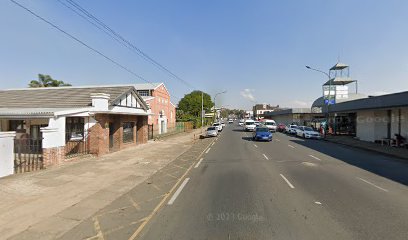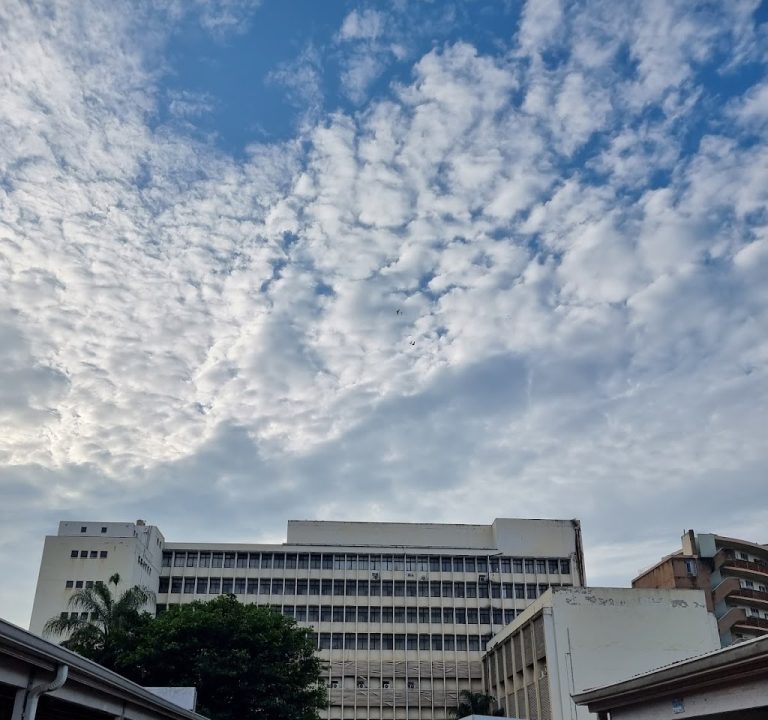
KZN CoGTA is a Regional government office establishment in Pietermaritzburg, KwaZulu-Natal, South Africa
KZN CoGTA – Regional government office in Pietermaritzburg, KwaZulu-Natal
The KwaZulu-Natal Department of Cooperative Governance and Traditional Affairs (CoGTA) operates as the regional hub for governance coordination and service delivery in Pietermaritzburg and across KwaZulu-Natal. The organisation presents itself as a gateway to governance information and initiatives designed to strengthen municipalities, support disaster response, and foster collaborative stakeholder engagement to improve public services.
The site emphasises service delivery with excellence, signalling a focus on practical governance implementation and oversight. While detailed internal processes are not exhaustively listed on the public pages, the department’s content centres around municipal capacity, governance oversight, and traditional affairs within the broader mission of improving service delivery for residents and municipalities alike. The documentation and media sections indicate ongoing communication with the public about governance priorities, banded around current events and strategic initiatives.
Key public-facing services and activities visible on the site include oversight of municipal governance, coordination of regional responses to emergencies, and capacity-building efforts. The department’s leadership appears through the top-tier figures—Rev. Thulasizwe Buthelezi as MEC (Member of the Executive Council) for CoGTA and B.S. Duma as the Head of Department—who frame the department’s direction and accountability. Public updates frequently cover disaster response, infrastructure protection, municipal financial management, and investments in municipal capacity, suggesting a broad remit that touches staffing, training, and policy enforcement at the local government level.
Beyond governance oversight, the department maintains active communications channels to engage with stakeholders. The presence of media resources, including a dedicated Cogta Radio channel, an image and video gallery, and an Infocus magazine, indicates an emphasis on transparent communication and public education about policy, programmes, and governance outcomes. These channels can serve residents seeking timely information on local governance developments, emergency notices, and policy updates that affect service delivery in municipalities across KwaZulu-Natal.
Typical types of governance work associated with this regional government office can be inferred from the department’s public outputs. These include disaster management and resilience activities, municipal oversight to address financial mismanagement and enhance capacity, and initiatives aimed at securing infrastructure and service continuity in times of crises. The department’s work appears to be collaborative, relying on stakeholders to strengthen governance and improve service delivery outcomes in line with provincial priorities.
In terms of the customer experience, visitors to the site can expect a straightforward portal to the latest updates, news, and media related to CoGTA’s regional activities. The “Latest News” and “Media Room” sections suggest a pattern of frequent information refreshment, with real-time responses to events such as storms, infrastructure protection, scholarship investments for future municipal capacity, and governance enforcement actions. Stakeholder engagement is promoted as a core element of the department’s approach, highlighting partnerships with local authorities, communities, and other government entities.
How requests or inquiries commonly operate (as inferred from the site) involve engaging through public information channels rather than direct, on-site consultation prompts. This includes accessing news releases, media features, and informational content designed to keep citizens informed about governance actions and service delivery initiatives. The presence of a dedicated information ecosystem—through radio, magazines, and visual media—facilitates broad reach and accessibility for residents and stakeholders seeking updates without requiring direct correspondence with a regional office.
Practical tips for customers and residents planning to engage with KZN CoGTA include monitoring the Cogta Radio and Infocus Magazine for updates on service delivery programmes and disaster responses, and reviewing news items related to municipal financial oversight and capacity-building initiatives. For stakeholders, following the department’s media outputs and staying informed about policy directions can help align local programmes with provincial governance priorities. National and regional context is often highlighted through the department’s communications, enabling informed participation in governance discussions at the municipal level.
Location and scope notes: the department serves KwaZulu-Natal, with Pietermaritzburg as a key administrative centre. The focus remains regional governance oversight, municipal capacity-building, and coordination of traditional and local governance matters to support effective service delivery across the province. The public-facing content positions the office as a communications-rich hub for governance information, stakeholder collaboration, and timely updates on regional governance actions.
- Main services offered: governance coordination, municipal oversight, disaster response coordination, capacity-building for municipalities, traditional governance matters.
- Typical job types or areas referenced: municipal finance oversight, infrastructure protection, disaster management, capacity development, stakeholder engagement.
- How requests usually work: information-driven engagement through public channels, with access to news releases, media features, and online resources.
- Practical tips: utilise Cogta Radio and Infocus Magazine for updates; monitor latest news for policy and service delivery changes; engage with stakeholder channels via official communications to stay informed on provincial governance priorities.
- Location and area served: Pietermaritzburg and broader KwaZulu-Natal region; aims to strengthen governance and service delivery across municipalities in the province.
Pietermaritzburg
KwaZulu-Natal
Pietermaritzburg
South Africa

Sorry, no records were found. Please adjust your search criteria and try again.
Sorry, unable to load the Maps API.
Regional government office services in Pietermaritzburg, KwaZulu-Natal
In Pietermaritzburg, the regional government framework delivers a range of public services through provincial and local authorities that focus on planning, administration, and service delivery for residents and businesses. An observer will note that facilities in the city are designed to support communities across KwaZulu-Natal’s inland region, with offices located to provide access to essential governance functions at both provincial and municipal levels. The experience of visiting regional government offices typically involves clear information desks, customer service points, and wait areas, with processes geared towards efficiency and accountability.
Common services encountered in this category include administrative support for civil registration, such as birth and death records, which are managed in collaboration with provincial departments. Financial and revenue services are also prominent, covering rates, taxes, utility bill administration, and the processing of assessments related to property and business operations. Planning and development oversight constitutes another major area, dealing with building plans, zoning approvals, land use, and infrastructure commissioning. These activities aim to balance rapid growth with urban management, environmental considerations, and public safety.
Public health and environmental services often feature within regional government offices as well. Clients may access health programme information, environmental health inspections, food safety oversight for markets and hospitality venues, and waste management coordination. In many locations, regional offices provide information and referrals for social welfare programmes, housing assistance, and labour-related services, connecting residents with support schemes, grants, and employment initiatives administered through provincial departments.
Education, culture, and public records may also be addressed through regional channels, including libraries, archives, and community heritage initiatives. While the exact offerings vary by department and location, visitors usually encounter guidance on eligibility, required documentation, and processing times, with staff trained to direct applicants to the appropriate desks or counters. Where possible, officials strive to provide multilingual assistance and clear ways to track the progress of applications or requests.
From a customer perspective, regional government offices in Pietermaritzburg are typically experienced as professional, procedural environments that emphasise compliance, transparency, and service standards. Applicants should expect to provide proof of identity, residential details, and any supporting documents relevant to the request. It is common to encounter a queue-management system, appointment options, and information boards that outline steps, timelines, and required forms. Payment arrangements may include cash, debit, or electronic methods, with clear receipts issued for services rendered.
Practical considerations for engaging with regional government services include planning ahead for potential processing times, particularly for registrations, licences, and permits. Some offices offer extended hours or dedicated assistance for specific categories, such as small business compliance or housing support, though routine services often operate on standard business days. Accessibility is an important factor; many offices provide facilities for disabled visitors, with ramps, accessible counters, and hearing assistance where available. Public transport links, parking availability, and safe access routes can influence the choice of office to visit, especially for individuals travelling from surrounding towns or rural areas.
Overall, the regional government office network in Pietermaritzburg aims to support citizens and businesses with orderly, accountable administration and a clear pathway for service delivery. While the exact processes may differ between departments and venues, the typical workflow involves information provision, application submission, verification of documents, progress updates, and final resolution or delivery of the requested service. For residents and organisations, understanding the general sequence and gathering the necessary documentation in advance can help ensure a smoother experience at these regional facilities.