KWAZULU NATAL POULTRY INSTITUTE is a Poultry farm establishment in Pietermaritzburg, KwaZulu-Natal, South Africa
KWAZULU-NATAL POULTRY INSTITUTE (KZNPI): Poultry Training and Related Services in Pietermaritzburg
The KwaZulu-Natal Poultry Institute (KZNPI) operates as a private poultry training facility situated in the Bisley Valley Nature Reserve, approximately eight kilometres from Pietermaritzburg city centre. Established in 1991, the institute focuses on training and mentoring individuals and organisations across Africa involved in all facets of poultry farming. Its scope covers households, small- and mid-sized producers, and staff from large poultry companies, offering a range of programmes designed to build practical poultry farming capability while emphasising industry best practices.
As a recognised education and training provider, KZNPI is accredited by AgriSETA to deliver qualifications within the National Qualifications Framework. The centre offers a General Education and Training Certificate in Poultry Production (NQF Level 1) and a National Certificate in Poultry Production (NQF Level 3). In addition to full qualifications, the institute provides short courses and other skills programmes that draw upon these core qualifications, ensuring delegates gain applicable knowledge for real-world poultry businesses. Training is delivered through a blend of theory, practical work on the training farm, and supported by audio-visual aids, course notes, exercises and assignments.
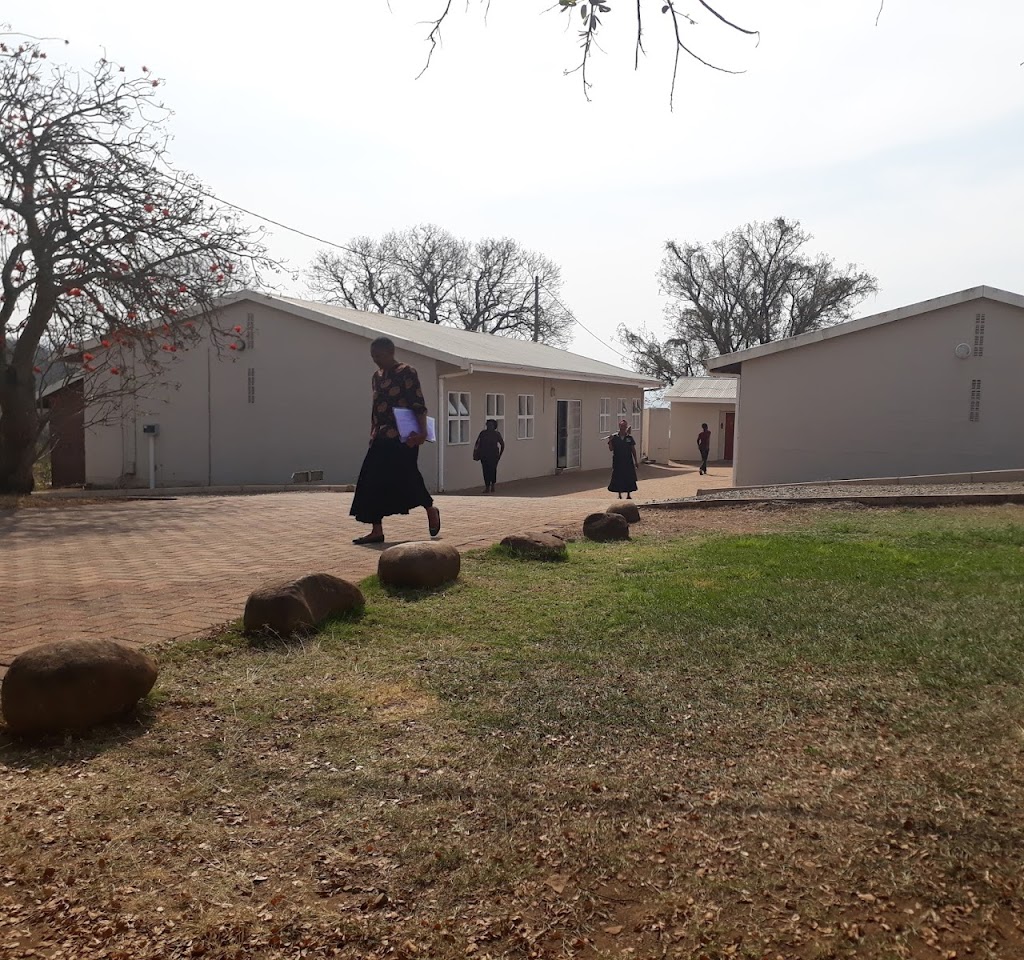
The training facilities comprise lecture rooms, a fully equipped training farm with broiler, layer, rearing and breeder houses, and a small hatchery. Practical sessions on the on-site farm are an integral element of the courses, ensuring learners can observe and participate in hands-on poultry production processes. Accommodation is available on-site in single-room residences for delegates who choose to stay during their training, contributing to a focused and immersive learning experience.
KZNPI markets itself as Africa’s premier poultry training facility, with a portfolio that extends beyond national borders. The institute has expanded its reach into Africa, delivering training to farmers, poultry advisors and technical personnel in countries such as Tanzania, Zambia, Mozambique, Nigeria and Mauritius. This international connection underscores the organisation’s emphasis on sharing knowledge and supporting diverse poultry operations across the continent.
Training is offered through multiple channels to accommodate different learner needs. The Short Courses programme is designed for individuals seeking targeted knowledge in poultry production and related aspects of running a poultry enterprise. The institute is an accredited AgriSETA Education and Training Provider, enabling participation in subsidised courses. In addition to on-site courses at KZNPI, the centre provides online training that runs for five weeks and includes videoconference sessions with experienced facilitators. Online courses are particularly suited to more experienced delegates who require flexibility and access to a computer and internet connection. On-site training can also be customised for specific farms, enabling practical demonstrations aligned with a client’s farming system.
Service delivery includes a dedicated training team and a governance structure guided by a board. The current team comprises a management cadre supported by administrative and farm personnel, with roles spanning course delivery, farm management, and student administration. This blend of expertise supports a practical, real-world learning environment and contributes to the institute’s reputation for comprehensive poultry education.
Typical offerings include:
- Short courses and customised on-site training in poultry production and related skills
- National Certificate in Poultry Production (NQF Level 3) and General Education & Training Certificate in Poultry Production (NQF Level 1)
- On-site practical training on a fully equipped training farm
- Online training programmes with facilitator-led videoconferences
- On-farm assessments and practical sessions to complement theoretical learning
- Accommodations on-site for delegates during residential courses
Current operational notes emphasise the importance of direct engagement with the institute for legitimate transactions. It is explicitly stated that the KwaZulu-Poultry Institute does not authorise third parties to sell products or services on its behalf. All legitimate transactions are conducted directly through the KZNPI office, with contact channels including the office telephone line and official emails.
Practical tips for prospective customers include:
- Check the official KZNPI contact details and ensure communications are with the authorised office to avoid fraud.
- Explore both on-site and online training options to determine the most suitable format and schedule.
- Consider the range of courses available, including subsidised short courses, to maximise value.
- If planning on attending in person, inquire about accommodation on-site and what facilities are available.
- Investigate opportunities for customised on-farm training tailored to specific poultry operations.
Geographically, the institute serves southern Africa, with a growing footprint across Africa through its training programmes and partnerships. While precise business hours are not listed in available materials, the organisation’s facilities and services centre around training engagements and course schedules accessible via its official website and course dates pages.
Pietermaritzburg
KwaZulu-Natal
3200
South Africa
Sorry, no records were found. Please adjust your search criteria and try again.
Sorry, unable to load the Maps API.
Poultry farm services in Pietermaritzburg, KwaZulu-Natal
Poultry farming in Pietermaritzburg, KwaZulu-Natal, combines traditional rural experience with modern agricultural practices to support a range of enterprises from broilers to layers. Services in this area are shaped by the local climate, transport links to Durban and the coastal belt, and the demand for high-quality poultry products across nearby markets. Clients typically encounter providers who specialise in a holistic set of offerings designed to establish efficient, compliant and sustainable operations.
Key services commonly offered include supply and management of housing and equipment. This encompasses customised poultry houses and climate control systems, including appropriate ventilation, lighting, and heating for different life stages. Suppliers often advise on flooring options, litter management, feeders, drinkers, and automated systems where appropriate. The aim is to create secure, clean environments that minimise stress on birds, optimise growth or egg production, and reduce disease risk. In Pietermaritzburg, where temperatures can swing between warm summers and cooler winters, such infrastructure choices are tailored to local conditions and water availability.
Animal health and biosecurity are central to routine poultry farm services. Veterinary support typically covers vaccination schedules, parasite control, and prompt response to signs of illness. Regular health checks, herd or flock health plans, and quarantine practices for new stock are emphasised to prevent the introduction of disease. Cleanliness protocols, pest control, sanitation of housing and equipment, and secure feed storage all form parts of standard practice. Biosecurity guidance often includes visitor protocols, controlled access, and dedicated clothing and footwear for different sections of the operation to limit cross-contamination.
Stock management and production planning represent another core area. For broiler operations, services may include guidance on stocking density, feeding programmes, growth monitoring, and processing timelines. For layer or breeder enterprises, attention is paid to egg production cycles, lighting programmes to optimise laying, gynaecological health of the birds, and hatchery considerations for incubating eggs. Routine record-keeping helps track performance indicators such as feed conversion ratios, mortality rates, and peak egg production periods, enabling data-driven adjustments to management practices.
Processing and value-added opportunities may be available through linked facilities or trusted partners nearby. This often covers on-farm or near-farm practices related to butchering, processing of carcasses, packaging, cooling, and cold chain maintenance. Where dedicated processing is not on site, many operators establish clear relationships with approved processors to ensure compliance with food safety standards. Waste management, including the handling of manure, litter, and effluent, is addressed within environmental protection and regulatory frameworks to minimise impact on local waterways and soils.
Operational considerations for poultry farms in Pietermaritzburg include water security, power reliability, and transport access. Water quality and availability influence drinking systems and cleaning protocols, while electricity supply affects temperature control and automation. Accessible roads and proximity to markets or distribution hubs can shorten lead times for delivery and reduce stress on birds during movement. Climatic variability also informs seasonal planning, helping to align feed types, ventilation needs, and housing maintenance with the changing conditions of KwaZulu-Natal.
Clients learning about poultry farm services can expect practical guidance on start-up feasibility, ongoing management, and compliance with local agricultural regulations. A balanced approach blends technical know-how with risk management, ensuring producers can maintain healthy flocks, achieve consistent production, and operate within a sustainable economic framework in the Pietermaritzburg region.