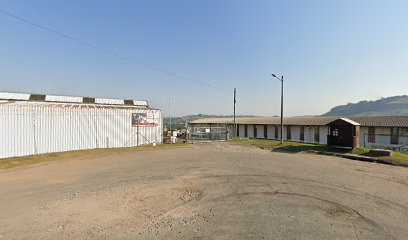
M V S Logistics is a Transportation service establishment in Pinetown, KwaZulu-Natal, South Africa
Pinetown
KwaZulu-Natal
3600
South Africa
Sorry, no records were found. Please adjust your search criteria and try again.
Sorry, unable to load the Maps API.
Transportation Services in Pinetown, KwaZulu-Natal: An Overview
Pinetown, located in KwaZulu-Natal, offers a diverse range of transportation services designed to support local businesses, residents, and visitors. The sector encompasses passenger transport, freight movement, and ancillary services that enable efficient movement of people and goods within the city and its surrounding areas. Readers can expect a mix of traditional taxi and shuttle operations, courier and parcel services, as well as logistics support for small to mid‑sized enterprises.
In terms of passenger transport, a variety of operators provide regular or on‑demand services. Rural and urban routes are supplemented by specialised transport for schools, workplaces, and events. Customers often choose between door‑to‑door options and street‑to‑street pick‑up points, depending on the service model and local accessibility. Reliability, punctuality, and vehicle condition are commonly highlighted considerations when selecting a provider. For many travellers, the frequency of service, route flexibility, and safety records are important factors governing their choices.
Freight and courier services in Pinetown cover a broad spectrum, ranging from small parcel delivery to larger goods shipments. Businesses frequently rely on these providers to move inventory between warehouses, suppliers, and customers. The emphasis tends to be on timely delivery windows, parcel tracking where available, and careful handling of sensitive cargo. Local hauliers may offer multi‑modal options, combining road transport with other services to optimise routes and reduce transit times. For individual customers, same‑day or next‑day delivery offerings are common, subject to distance and demand.
Logistics support is an important facet of transportation services in this region. This includes inventory management assistance, transportation planning, and loading or unloading services for businesses that require help coordinating supply chains. Small and medium‑sized enterprises often benefit from flexible scheduling, regional knowledge, and the ability to scale transportation needs in line with varying demand. Access to secure storage facilities and reliable cold chain solutions may be relevant for certain types of goods, such as perishable items or pharmaceuticals.
Practical considerations for customers engaging transportation services in Pinetown include the following:
- Accessibility: The layout of streets and the presence of busy commercial zones influence route planning and pick‑up points. Public transport hubs and major arterials are common anchors for service networks.
- Safety and compliance: Operators typically follow local regulations governing licensing, vehicle standards, and driver qualifications. Personal safety, vehicle maintenance, and cargo security are frequently emphasised by customers seeking dependable providers.
- Scheduling and flexibility: Demand can vary by time of day and season. Some services offer fixed schedules, while others provide flexible or on‑demand options. Clear communication regarding estimated arrival and delivery windows helps set realistic expectations.
- Pricing and value: Pricing structures may differ by service type, distance, weight, and urgency. Customers are advised to understand any minimums, surcharges, or additional fees before confirming arrangements.
- Documentation: For freight and business logistics, proper documentation such as waybills and receipts supports accountability and traceability throughout the transport process.
Typical workflows illustrate how transportation services operate without implying platform‑level features. A customer identifies a need—whether to move passengers, parcels, or goods—and coordinates with a local operator. The provider assesses requirements, including distance, time constraints, and handling needs. A plan is proposed, outlining pick‑up details, route considerations, and a delivery schedule. On the day, a driver or courier executes the agreed plan, while tracking, communication, and proof of delivery services help verify successful completion. After delivery, feedback or invoicing processes may follow to close the cycle and inform future arrangements.