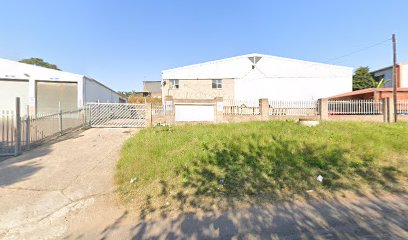
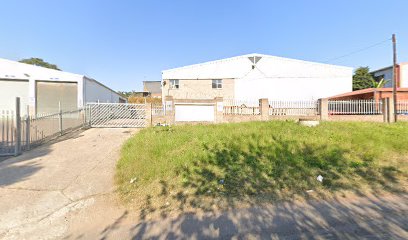
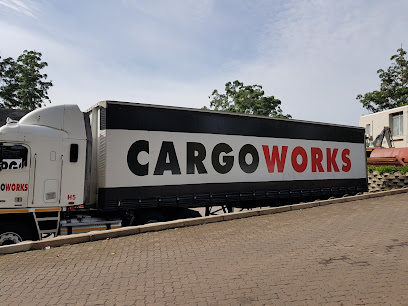
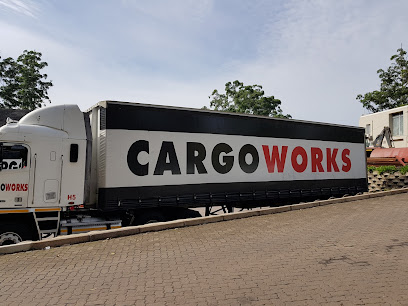
Fleet Tech Commercial Wheel Alignment Centre is a Transportation infrastructure establishment in Pinetown, KwaZulu-Natal, South Africa
Fleet Tech Commercial Wheel Alignment Centre — Overview of Services and Customer Experience
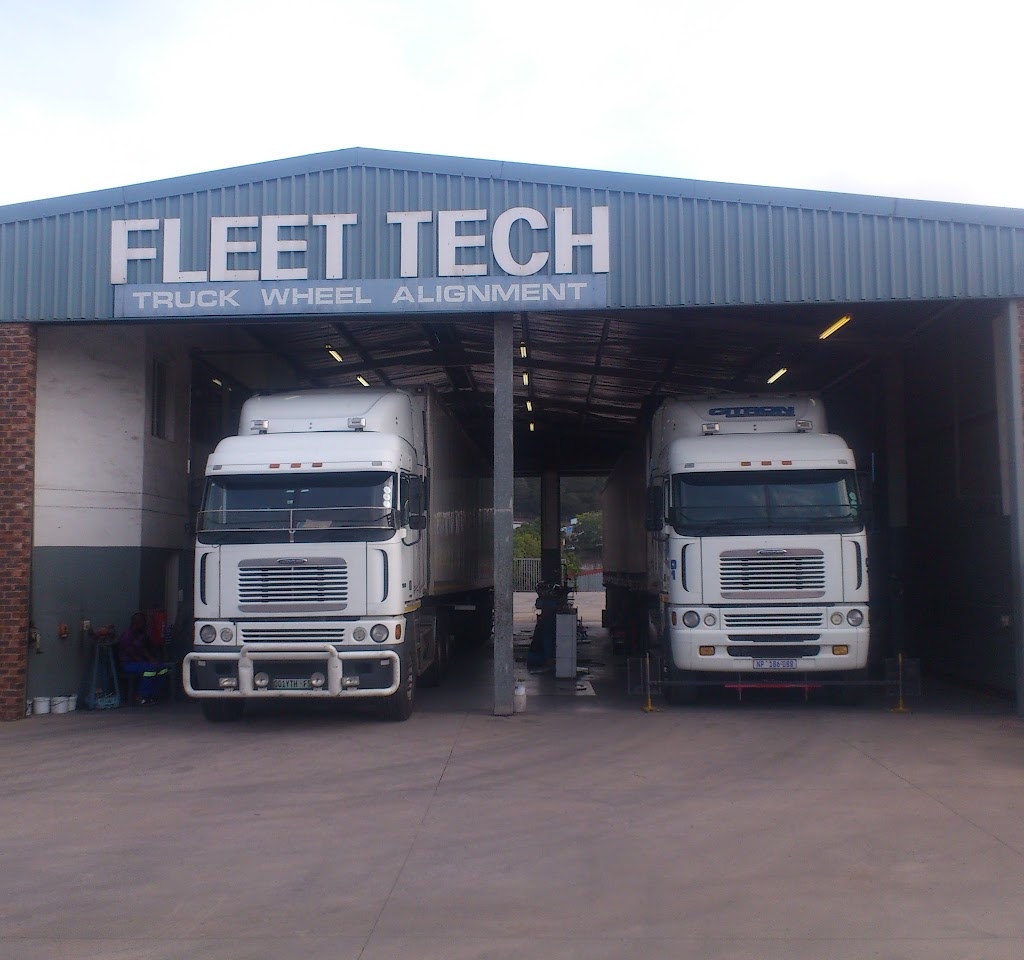
Fleet Tech Commercial Wheel Alignment Centre operates within the transportation infrastructure landscape of Pinetown, KwaZulu-Natal. The business presents itself as a specialist facility focused on wheel alignment for heavy vehicles and related tyre maintenance solutions. The core offerings highlighted on the site emphasise the practical benefits of proper alignment, including potential savings on tyres and fuel, which suggests an emphasis on cost efficiency and vehicle performance for fleet operators and commercial drivers alike.
The main services named on the website include wheel alignment for a broad spectrum of heavy vehicles. Specifically, the centre advertises alignment services for trucks, buses, and trailers, indicating a focus on commercial fleets rather than light passenger vehicles. In addition to alignment, the site notes high-speed wheel balancing, described as on-board, positioning this service as a complementary component to alignment in order to optimise tyre wear and stability at speed. The combination of wheel alignment and high-speed balancing aligns with common industry practice for maintaining fleet efficiency and reducing maintenance costs over time.
From the reader’s perspective, the experience appears to centre on clear, practical benefits rather than marketing claims. The emphasis on saving money on tyres and fuel suggests a client objective of extending tyre life and improving fuel economy through precise alignment and balance. While no extensive portfolio of job types is provided, the stated service categories imply typical engagements with fleet operators and drivers who require reliable, frequent maintenance cycles for heavy vehicles. The information conveyed is straightforward and functional, prioritising service relevance to the operational needs of commercial transport in KwaZulu-Natal.
Regarding how requests are typically handled, the site does not publish a detailed customer journey or booking workflow. Prospective clients are encouraged to consult the homepage content for a basic sense of offerings, with the implication that standard procedure involves arranging service for trucks, buses or trailers and scheduling alignment and balancing work accordingly. Given the absence of explicit instructions, readers should seek standard industry practices—such as obtaining a quotation, scheduling a service window, and conducting post-service checks—through the facility’s usual contact channels or inquiry points on the site.
Practical tips for customers considering a visit to Fleet Tech include prioritising regular wheel alignment for fleets operating heavy-duty vehicles, as this practice can help manage tyre wear and fuel consumption over time. Regular monitoring of tyre condition and wear patterns, coupled with timely alignment services, may contribute to safer road handling and reduced operational costs. Customers are also advised to consider comprehensive tyre maintenance as a holistic approach—pairing alignment and high-speed balancing with routine tyre pressure checks and tread inspections to optimise overall vehicle performance.
The business location in Pinetown situates Fleet Tech within KwaZulu-Natal’s commercial transport network, a detail relevant to fleets operating in regional routes and urban corridors. Although the site does not disclose hours of operation or a detailed service map, the stated capabilities for heavy vehicles speak to a niche service model designed to support fleet managers who oversee multi-vehicle operations in the broader South African market.
In summary, Fleet Tech Commercial Wheel Alignment Centre presents a concise offering focused on essential heavy-vehicle alignment and balancing services. The combined messaging about tyre and fuel savings, along with the explicit mention of trucks, buses and trailers, positions the business as a practical partner for fleets seeking dependable wheel maintenance solutions in the Pinetown area and greater KwaZulu-Natal region. Customers planning a visit should verify current service times and appointment options through the site’s contact channels, ensuring alignment with fleet maintenance schedules and operational needs.
Pinetown
KwaZulu-Natal
3608
South Africa
Sorry, no records were found. Please adjust your search criteria and try again.
Sorry, unable to load the Maps API.
Transportation infrastructure services in Pinetown, KwaZulu-Natal
Transportation infrastructure services in Pinetown encompass a range of activities aimed at planning, designing, building, maintaining, and upgrading the routes and facilities that enable goods and people to move efficiently. Pinetown, situated within the eThekwini Metropolitan Municipality, benefits from proximity to major freight links, regional road networks, and access to inland and coastal markets. The sector brings together civil engineering firms, traffic and transport planners, utilities coordinators, and specialised contractors to deliver integrated outcomes that support commerce and daily life.
Engineering and design contemplate road corridors, bridges, drainage, pedestrian and cycling facilities, public transport corridors, and freight access routes. The objective is to create resilient infrastructure capable of withstanding seasonal rainfall, heavy utilisation, and evolving demand. Services commonly include feasibility studies, preliminary and detailed design, environmental impact considerations, and stakeholder engagement to align engineering solutions with municipal policy and community needs.
Construction and project delivery cover the realisation of road resurfacing, lane realignment, pavement rehabilitation, and the installation of signage, lighting, and safety barriers. In urban townships like Pinetown, project delivery often requires careful coordination with local authorities to minimise disruption, manage traffic diversions, and ensure adherence to safety standards. Projects may also involve upgrade works for stormwater management, reducing flood risk, and improving reliability during heavy rains characteristic of KwaZulu-Natal’s climate.
Maintenance and operations form a large portion of ongoing transportation infrastructure activity. Routine road maintenance, pothole repairs, crack sealing, resurfacing, and bridge inspection programmes are conducted to prolong service life and reduce long-term costs. Traffic management during maintenance work is a key consideration, with temporary signage and lane closures designed to keep motorists and pedestrians safe while work progresses. Asset management practices help track the condition of networks, forecast needs, and prioritise interventions based on risk and usage.
Public transport integration is a notable focus in the region, with services aimed at connecting residential areas with business districts and industrial zones. This includes the planning and maintenance of bus stops, park-and-ride facilities, and accessibility features for passengers with disabilities. In many parts of KwaZulu-Natal, coordination with provincial and municipal authorities supports the alignment of service timetables, route planning, and safety enhancements at transport hubs.
Freight and logistics considerations are also relevant, given the role of KwaZulu-Natal as a significant logistics corridor. Infrastructure services may address freight corridors, access to warehouses, and the sequencing of loading and unloading zones. Solutions are typically designed to reduce congestion, improve truck turnaround times, and support efficient supply chains while safeguarding road surfaces and nearby communities from excessive wear or noise.
Practical considerations for clients include understanding permitting processes, timelines, and budgeting for contingencies. Large-scale interventions often require environmental approvals, stakeholder consultation, and adherence to municipal planning guidelines. Local conditions—such as rainfall patterns, soil stability, and urban growth—inform design choices and maintenance cycles. Community engagement and transparent communication help manage expectations regarding disruption, timelines, and compensation where applicable.
In summary, transportation infrastructure services in Pinetown provide a holistic approach to creating and maintaining networks that enable smooth movement across urban and peri-urban areas. The emphasis lies in durable design, safe and efficient construction, proactive maintenance, and thoughtful integration with public transport and freight needs, all aligned with the regional development objectives and the practical realities of KwaZulu-Natal.