no-image
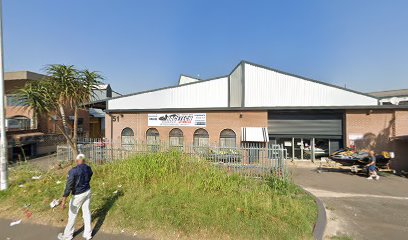
Setari Uniforms & Embroidery is a Manufacturer establishment in Pinetown, KwaZulu-Natal, South Africa
Setari Uniforms & Embroidery – Manufacturer in Pinetown, KwaZulu-Natal
Setari Uniforms & Embroidery operates as a South African manufacturer based in Maxmead, Pinetown. The business specialises in producing a broad range of clothing designed for the tourism sector and related frontline environments, with a focus on durable construction, high-quality fabrics and customised branding. The company highlights its capability to serve a varied client base across South Africa and neighbouring countries, including Zimbabwe, Botswana and Namibia.
Central to Setari’s offering is the concept of “Personalised Identity” in clothing. This encompasses a wide array of branding and embellishment options, allowing each client to develop a distinct look that aligns with brand standards and guest expectations. The range includes everyday wear and specialised uniforms, with several categories described as core to their manufacturing operation.
The product and service mix includes:
- Tee shirts for all ages—adults, teens, children and babies—available in multiple styles and fabrics suitable for different climates. A range of branding methods is offered, enabling custom logos and patterns to be applied to garments.
- Ranger uniforms and safari wear—featuring safari shirts, cargo pants, shorts and skirts. Colours can be standard or customised through fabric dyeing to meet client specifications.
- Spa uniforms—available in various styles, fabrics and colours to suit spa environments and guest experiences.
- Corporate uniforms—covering front-office, housekeeping, gardeners, maintenance, kitchen and other operational roles, with options for a personalised uniform program guided by client requirements.
- Winter wear—fleece and twill jackets, hoodies, beanies, and related cold-weather apparel.
Quality and service appear to be emphasised, with Setari noting pride in fabric selection, garment construction, styling and client service. The business positions itself as a partner capable of developing customised uniform solutions through a collaborative process with clients.
A notable aspect of Setari’s approach is its in-house manufacturing capability. Garments are produced in the factory located in Maxmead, Pinetown, with material sourced from South African suppliers. This domestic production orientation supports the company’s claim of tailoring to client needs and maintaining quality control throughout the manufacturing cycle.
The company’s branding flexibility is distinctive. A diverse array of embellishment techniques is available, including embroidery, screenprinting, foiling, rhinestones and sequined motifs. This breadth enables clients to achieve a cohesive and high-impact brand appearance across multiple garment types—from staff uniforms to guest-facing apparel.
In terms of service delivery, Setari describes a consultative process in which a team collaborates with clients to develop unique and personalised uniforms. The emphasis on consultation suggests a structured approach to identifying fabric types, trims, colours and branding requirements before production commences.
Regarding accessibility and coverage, Setari’s stated market reach includes organisations operating within tourism-related sectors such as hotels, lodges and game reserves, as well as customer-facing enterprises in curio shops and duty-free retail environments. The focus on the tourism industry indicates a concentration on attire that is practical for staff roles in hospitality and wildlife-based experiences, alongside corporate wear for management and operations teams.
Practical tips for customers planning to engage Setari include devising clear branding guidelines early in discussions, selecting fabrics appropriate to the climate and job role, and considering dyeing options where standard colours do not align with branding needs. Clients might also benefit from outlining anticipated order quantities and lead times to ensure production schedules align with project timelines.
For those seeking local access, the facility’s Pinetown location situates Setari within the KwaZulu-Natal business corridor, with service capabilities aimed at regional clients in KwaZulu-Natal and neighbouring provinces. While specific business hours and best times to visit are not listed on the available materials, potential clients may wish to contact the factory directly to arrange visits or consultations.
Pinetown
KwaZulu-Natal
3608
South Africa

no-image
Sorry, no records were found. Please adjust your search criteria and try again.
Sorry, unable to load the Maps API.
Manufacturer services in Pinetown, KwaZulu-Natal
Pinetown in KwaZulu-Natal hosts a diverse range of manufacturing service providers that cater to local and regional businesses across multiple sectors. The services typically focus on converting raw materials into finished components, sub‑assemblies, or fully assembled products, with emphasis on reliability, throughput, and compliance with industry standards. Clients can expect a practical combination of technical capability, responsive scheduling, and on‑site support that mirrors the needs of manufacturers, distributors, and end users in the area.
Most manufacturer offerings in this region include metal fabrication, machining, welding, and assembly. Vendors often specialise in fabricating frames, enclosures, brackets, structural components, and bespoke metal parts used in industries such as engineering, construction, automotive, and agricultural equipment. In addition to metalwork, some firms provide plastic and composite component production, offering extrusion, moulding, or bonding processes when appropriate. The scope may extend to rough machining, precision milling, turning, drilling, and tapping, followed by secondary operations such as drilling, deburring, and surface finishing.
CNC machining and precision carpentry are common capabilities, enabling the production of exact tolerances and repeatable results for high‑volume runs or critical prototypes. Clients can anticipate a collaborative approach to design and development, with engineers and technicians assisting in material selection, process planning, and cost‑effective production strategies. For prototype work or small batches, quick turnarounds are often possible, while larger runs benefit from scalable processes and staged production planning.
Quality assurance forms a central component of service delivery. Reputable manufacturers in Pinetown typically implement inspection routines at different stages of production, including incoming material checks, in‑process measurements, and final packing inspections. Documentation such as test certificates, material traceability, and quality logs may be provided where required, subject to mutual agreement. Adherence to safety standards and environmental considerations is commonly reflected in documented procedures, waste management practices, and compliant storage of materials.
A practical consideration for customers involves logistics and supply chain coordination. Local manufacturers frequently offer convenient on‑site storage and delivery options, with the ability to pack parts for shipment or delivery to a distribution hub. Lead times vary depending on volume, complexity, and material availability, making early engagement and clear lead‑time estimates important for project planning. If urgent requirements arise, some facilities can prioritise certain orders or collaborate with nearby suppliers to minimise delays.
The purchasing process typically begins with a brief consultation to establish objectives, material preferences, and required finishes. A quotation or order confirmation normally follows, outlining materials, processes, estimated lead times, and quality expectations. Throughout production, customers benefit from periodic updates on progress, along with any recommended design or process adjustments to improve manufacturability and cost efficiency. Where appropriate, manufacturers may provide post‑production services such as assembly, testing, or light finishing to deliver a turnkey component or sub‑assembly.
In terms of practical considerations, potential clients are advised to assess the supplier’s local capabilities and access. Proximity to raw materials and energy supply can influence cost and reliability. It is also worthwhile to explore a manufacturer’s experience with relevant industries and any sector-specific standards that might apply to components or assemblies. Finally, clear communication channels, transparent pricing, and well‑defined after‑sales support contribute to a smoother engagement and successful project outcomes in Pinetown and the wider KwaZulu‑Natal region.