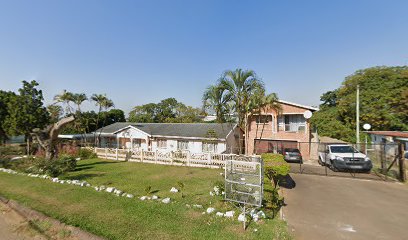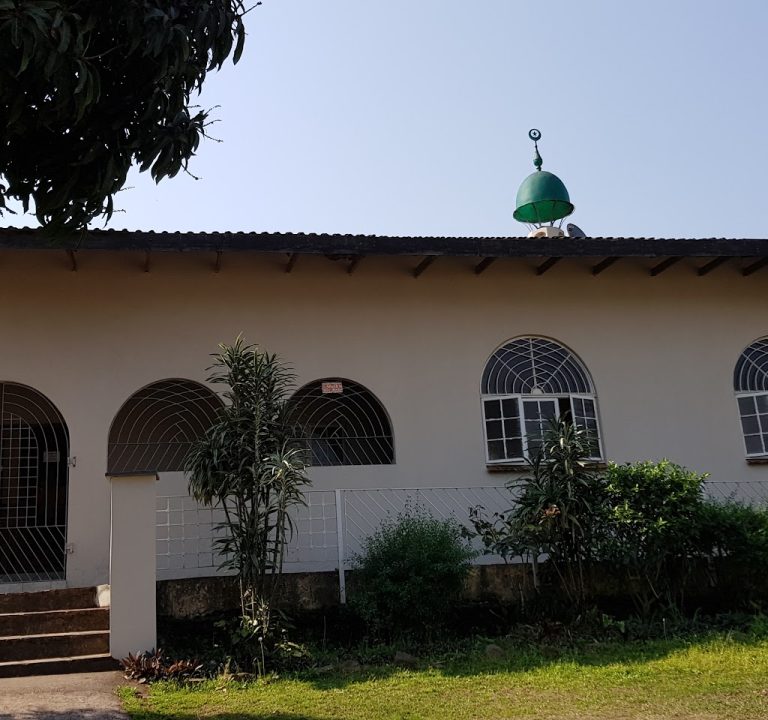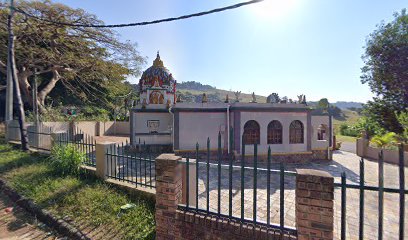
Motala Heights Temple is a Hindu temple establishment in Pinetown, KwaZulu-Natal, South Africa
Pinetown
KwaZulu-Natal
3610
South Africa
Sorry, no records were found. Please adjust your search criteria and try again.
Sorry, unable to load the Maps API.
Hindu temple services in Pinetown, KwaZulu-Natal
In Pinetown, KwaZulu-Natal, Hindu temples serve as community hubs where residents and visitors participate in a variety of devotional and celebratory activities. Typically founded to accommodate local Hindu families as well as visitors from surrounding areas, these temples offer a welcoming space for worship, learning, and cultural exchange. Practices are guided by traditional Hindu rituals conducted under the auspices of a resident priest or visiting Hindu priests who understand the local language and community needs.
Daily worship commonly centres on puja offerings, which may include lighting lamps, incense, flowers, and the presentation of fruits and sweets. Aarti ceremonies, where lamps are waved in front of the deities while sung prayers accompany the ritual, are often held at specific times of day and invite participation from temple attendees. Practitioners may observe personal prayers and family rituals within the temple complex, taking guidance from priests regarding auspicious dates and the sequence of offerings. The temple environment typically encourages quiet reflection, reverence, and respectful conduct as a sign of devotion.
Special ceremonies form a notable feature of temple life in Pinetown. Festivals such as Diwali, Navaratri, and culturally significant days are marked with elaborate decorations, devotional singing, and communal feasts. Some temples also host smaller, community-led events focused on education, storytelling, or music during festival periods. Wedding blessings, thread ceremonies (where appropriate), and other rites of passage may be performed in consultation with the temple’s priest, subject to the temple’s guidelines and scheduling capabilities. Where possible, temples aim to accommodate family schedules and provide a dignified setting for such milestones.
Educational and cultural programming is commonly offered to the wider community. Classes or study sessions on Hindu scriptures, philosophy, Sanskrit or regional languages may be available, along with opportunities to learn traditional bhajans (devotional songs) and dances. These programmes help younger generations connect with heritage while offering visitors a respectful overview of Hindu customs. Some temples collaborate with local organisations to present exhibitions, talks, and musical performances that illuminate Hindu traditions within a South African context.
Practical considerations shape the visitor experience. Temples in Pinetown often emphasise modest attire and respectful behaviour within the sanctum, with shoes removed at the entrance in many cases. Guidance on photography, mobile phone use, and food offerings is typically provided by temple staff or volunteers to preserve the sanctity of rituals. Parking arrangements vary by site, and timing information for pujas and events may be displayed on notice boards or shared in local community networks. Accessibility considerations, including wheelchair access and lap seating, are commonly addressed to welcome elderly worshippers and families with young children.
Prasad, or blessed food, frequently forms part of temple offerings and may be distributed after ceremonies when appropriate. Donations and offerings are generally welcome to support maintenance, priestly services, and community programmes, though exact procedures and preferred methods are not universal and are usually explained on-site or in accompanying literature. Visitors can expect clear information about how to engage respectfully with the temple’s activities, whether they are seeking a quiet moment of contemplation, a guided ritual, or a family rite of passage.
Overall, Hindu temple services in Pinetown blend traditional ritual with community-led programming, creating an inclusive space for worship, learning, and celebration. While each temple maintains its own schedule and practices, the common aim remains to foster devotion, cultural continuity, and a sense of shared respect among worshippers from KwaZulu-Natal and beyond.