no-image
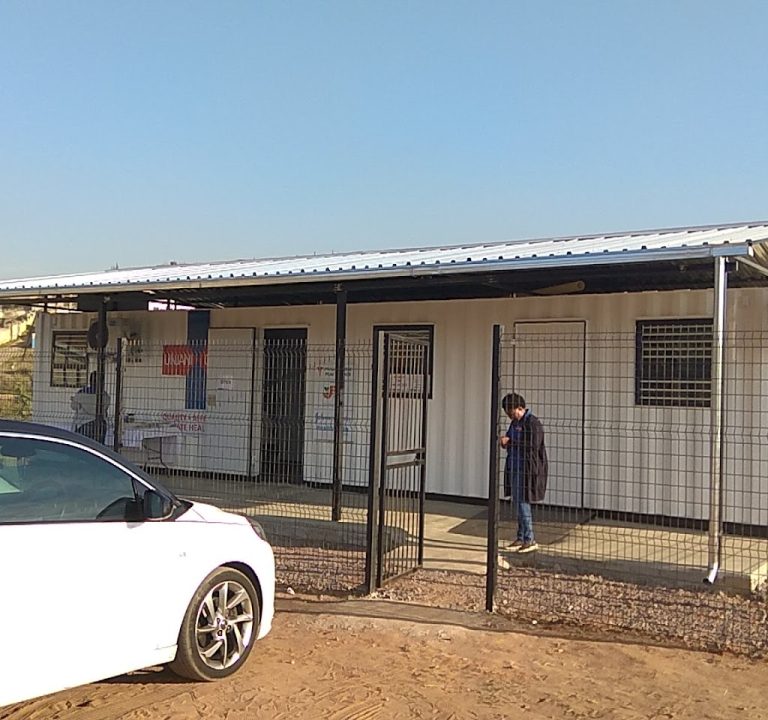
Kwashozi community Hall is a Community center establishment in Cele, Kwa-Zulu Natal, South Africa
Cele
Kwa-Zulu Natal
South Africa
South Africa

no-image
Sorry, no records were found. Please adjust your search criteria and try again.
Sorry, unable to load the Maps API.
Community centre services in Cele, Kwa-Zulu Natal, South Africa
In Cele, Kwa-Zulu Natal, community centres function as municipal or NGO-supported hubs aimed at strengthening neighbourhood life and supporting residents across a range of needs. These facilities are typically designed to be accessible to people from diverse backgrounds and offer spaces that can be used for learning, recreation, social support, and information sharing. The emphasis is on practical, community-driven activities that help neighbours connect and contribute to the local area.
Typical services include programmes for children and youths, such as after-school care, homework clubs, and structured play activities during school holidays. These initiatives provide safe environments where learners can receive help with schoolwork, participate in organised games, and engage in arts and crafts or sport. For adults, centres often run basic education and skills sessions, including literacy and numeracy introductory courses, workplace readiness workshops, and language support where needed. Public health information and preventative care are also common components, with occasional health screenings and wellness education sessions focused on topics such as nutrition, sexual health, and chronic disease awareness.
Facilities may also host regular community meetings, cultural events, and local networks that encourage participation and dialogue among residents. This can include spaces for supporting groups, faith-based gatherings, and volunteer-driven projects. In addition, many centres provide access to practical resources, such as information boards with social services offerings, help desks for social grants or housing enquiries, and guidance on navigating local government processes. Where available, libraries or reading corners offer a quiet place to study, borrow books, or receive information leaflets on community programmes.
Sport and recreation are commonly featured, with safe, supervised areas for activities such as football, basketball, or informal fitness sessions. These options promote physical well-being and community cohesion, particularly for families and younger residents who benefit from structured outdoor time. Some venues may host cultural classes, music lessons, or dance groups that reflect the local heritage and diversity of Cele and the wider region.
Practical considerations include the importance of clear scheduling and access arrangements. Centres usually publish timetables for programmes, with information on how to join activities, registration requirements, and any age-specific criteria. Visitors should anticipate straightforward check-in procedures and be aware of security practices in place to safeguard participants and property. Transport links, parking availability, and the proximity to residential areas are relevant factors, as some residents rely on walking or public transport to reach venues.
Language and communication are essential in a multilingual area. Staff and volunteers often provide information in multiple local languages or use simple, clear language to ensure inclusive participation. Sensible expectations about fees and donations are common; where applicable, some programmes may request small contributions to cover material costs, while others are funded to remain free of charge for residents in need. Information about eligibility for certain services, such as educational support or health information sessions, is typically shared on notice boards or via trusted community networks.
Overall, community centres in Cele function as practical, welcoming spaces that enable learning, wellbeing, and social connection. They offer a stable point of reference within the neighbourhood, supporting residents to access resources, participate in constructive activities, and build supportive networks that contribute to the resilience and vitality of the local community.