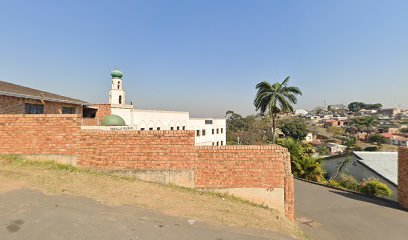
Rahmania Zanzibari Masjid is a Mosque establishment in Chatsworth, KwaZulu-Natal, South Africa
Chatsworth
KwaZulu-Natal
4084
South Africa
Sorry, no records were found. Please adjust your search criteria and try again.
Sorry, unable to load the Maps API.
Mosque services in Chatsworth, KwaZulu-Natal
Mosques in Chatsworth serve as focal points for daily prayer, religious education, and community gatherings within a diverse KwaZulu-Natal neighbourhood. Visitors can expect a calm, respectful environment dedicated to worship and learning, with facilities designed to accommodate both regular attendees and guests arriving for special prayers or programmes. The local mosques typically follow the rhythms of the Islamic calendar, balancing routine worship with seasonal and community activities throughout the year.
Daily prayers constitute the core offering, with five daily congregational prayers and the obligatory Friday Jumu’ah service drawing the largest gatherings. Worshippers often arrive in modest dress and engage in ritual preparations, such as performing wudu (ablution) before entering prayer halls. The architecture commonly features dedicated prayer spaces, separate areas for men and women, and facilities that promote focus and quiet reflection. In many mosques, the Friday sermon (khutbah) provides guidance on religious, ethical, and social matters relevant to the local community.
Educational programmes represent another significant aspect of mosque life. Schools or madrasahs attached to or associated with mosques typically offer Quran recitation and memorisation, Arabic language studies, and lessons on Islamic jurisprudence and etiquettes. Classes may be structured for different age groups, from children to adults, and can include weekend sessions for working families. Some mosques publish schedules outlining session timings, with emphasis placed on consistency and accessibility for the broader neighbourhood.
In addition to worship and education, mosque facilities often support lifecycle events and charitable activities. Community members may seek guidance on marriage contracts (nikah) and other life rites performed within an Islamic framework. Funeral arrangements and bereavement services are commonly coordinated through mosques and related waqf or charitable committees, including guidance on cleansing, funeral prayers (janaza), and burial rites in line with local customs and regulations. Acts of zakat and waqf contributions are encouraged as part of social welfare, funding assistance, food distributions, and other charitable outreach programs that serve both the Muslim community and wider society.
Practical considerations for visitors include modest attire and respectful behaviour, with signs or ushers often available to assist newcomers. Accessibility varies between facilities, but many mosques strive to accommodate elderly worshippers, persons with disabilities, and families with children. Parking arrangements and entry points are typically indicated on notice boards or local community channels, and some mosques provide family or quiet spaces to accommodate different needs during peak prayer times. While timings may shift during Ramadan and other holy periods, entrances generally remain open for worshippers throughout the day, with additional programmes announced in advance.
Restaurants and retail services are not typically part of the mosque, but nearby shopping precincts in Chatsworth offer halal-certified options, nutrition-conscious meals, and essential daily needs. Visitors are advised to observe local etiquette during Ramadan or crowded events, including quiet speech, avoiding disruptions during prayers, and following guidance from mosque management on photography or recording policies. Given the varied landscape of Chatsworth, it is common for mosques to collaborate with community organisations on interfaith dialogue, youth activities, and community service days, reinforcing a shared commitment to neighbourhood harmony and mutual support.
For those seeking a respectful, community-oriented space in Chatsworth, the mosques in the area provide a reliable hub for worship, education, and compassionate outreach. Prospective attendees can expect clear communication about service times, modest facilities, and a welcoming approach that mirrors the broader Southern African Muslim community’s values of dignity, learning, and service.