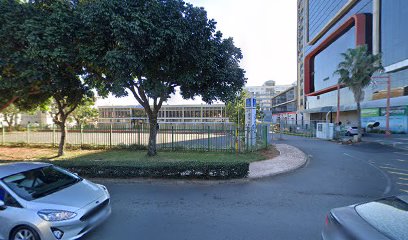
sizakal customer care is a Department of motor vehicles establishment in uMhlanga, KwaZulu-Natal, South Africa
uMhlanga
KwaZulu-Natal
Umhlanga Ridge
South Africa
Sorry, no records were found. Please adjust your search criteria and try again.
Sorry, unable to load the Maps API.
Department of Motor Vehicles services in uMhlanga, KwaZulu-Natal
The Department of Motor Vehicles sector in uMhlanga serves as a focal point for vehicle licensing, driver certification, and road traffic compliance within the KwaZulu-Natal province. Located near a busy commercial corridor, these offices handle a steady stream of residents and visitors who require formal registration, licensing, and related administrative tasks. The environment is typically characterised by structured queues, orderly processing, and a clear sequence of steps designed to move applicants through various service lines efficiently.
In practice, the range of services mirrors common duties carried out by motor vehicle administration in South Africa. Vehicle registration and deregistration tasks enable the legal recognition of ownership and the ability to vehicle usage on public roads. Licence renewals for both drivers and vehicles are regular needs, with applicants often required to present identification and proof of address. Driver testing services, where available, may include learner’s licence assessments and driving tests conducted by qualified assessors. Roadworthy certificates, obtained from authorised testers, are commonly required when vehicles are transferred or undergo annual safety checks. Where applicable, the offices provide guidance on insurance requirements, number plate regulations, and the correct handling of vehicle permits and related documentation.
Customers can expect a straightforward progression through service channels, typically beginning with document verification and queue management, followed by form completion and payment processing. In many cases, customers must navigate a counter-based system where staff confirm eligibility, confirm the correct form type, and offer prompts about necessary supporting documents. Although some steps can be completed online or via appointment systems, a substantial portion of work often still occurs in person, particularly for registrations, renewals, and roadworthiness matters. It is advisable to arrive prepared for potential waiting periods, especially during peak periods such as month-end deadlines or school holidays when demand may rise.
Practical considerations for visitors include understanding what to bring to avoid delays. Standard requirements generally encompass a valid identity document, proof of residential address, current driving or vehicle registration documents, and any prior licences or permits relevant to the service being sought. Fees are payable at the counter or through approved payment channels, with costs varying by service type. Some offices operate with specific hours for particular services, and it is common to encounter occasional interruptions due to system maintenance or public holidays. Accessibility remains important, and public transport options or available parking may influence planning for a visit.
For those new to the process or unfamiliar with local procedures, it is helpful to research the general workflow beforehand. typical steps involve presenting documents, having forms filled or scanned, obtaining confirmation of eligibility, and completing payment before receiving a receipt or provisional document. The department emphasizes compliance with road safety regulations and aims to provide clear guidance on which licences or registrations are required at different stages of a vehicle’s lifecycle. While the experience may vary between offices, the overarching aim is to facilitate lawful vehicle operation, support driver competence, and maintain up-to-date records that reflect the status of licences and vehicle registrations.
In short, the uMhlanga motor vehicle administration offers essential services for residents and visitors seeking lawful driving and vehicle documentation. Prospective applicants should plan for a measured visit, bring the required documentation, and follow the on-site guidance to navigate the process smoothly and efficiently.