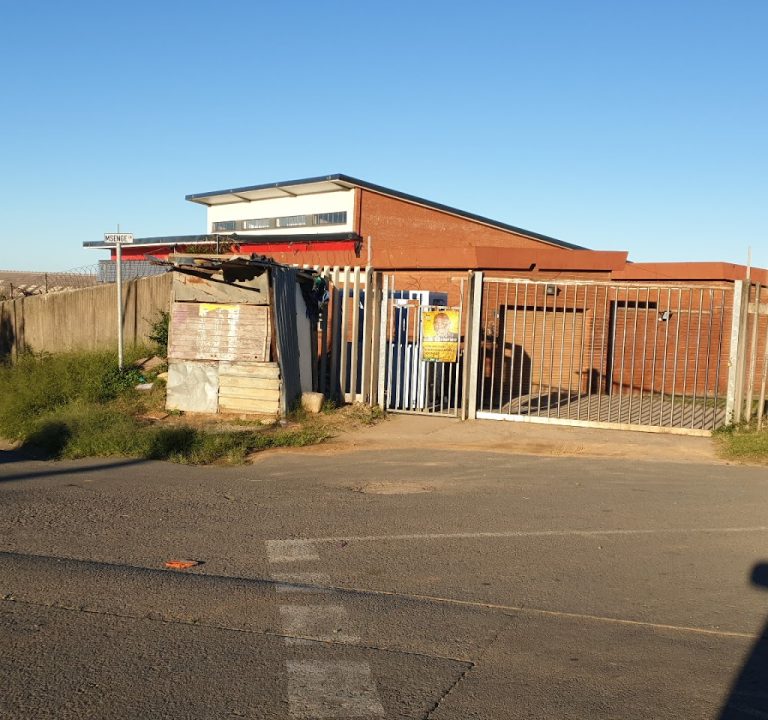
Vumokuhle Primary School is a Primary school establishment in Umlazi, KwaZulu-Natal, South Africa
Umlazi
KwaZulu-Natal
4066
South Africa
Sorry, no records were found. Please adjust your search criteria and try again.
Sorry, unable to load the Maps API.
Primary School Services in Umlazi, KwaZulu-Natal
In Umlazi, KwaZulu-Natal, primary schooling generally centres on delivering a structured curriculum within a diverse township setting. Schools commonly provide foundational education for children from grades R to 7, translating nationwide curriculum requirements into classroom practice. Across the area, learners typically progress through a Foundation Phase, Intermediate Phase, and Senior Phase, with instruction that emphasises early literacy, numeracy, social development, and practical problem‑solving. The physical environment of schools can vary, ranging from purpose‑built campuses to larger, multi‑wing sites, each with its own classrooms, courtyards and playing fields.
Curriculum delivery is usually aligned with the National Curriculum and Assessment Policy Statements (CAPS). Instruction commonly covers core subjects such as isiZulu and English, Mathematics, Natural Sciences, Social Sciences, and Life Orientation. There is often an emphasis on literacy development, numeracy confidence, and the practical application of knowledge in everyday contexts. Schools may incorporate local cultural and community topics to reflect the Umlazi setting, thereby making learning relevant and engaging for learners.
Support for learners is typically provided through a combination of class teachers and subject specialists, where available. Some schools offer additional language support, reading programmes, and numeracy assistance for pupils who need extra help. Inclusive practices are commonly pursued in line with national education policy, with attention given to learners who require additional assistance, as well as those who excel and seek enrichment activities.
Beyond core classroom teaching, a range of services supports student wellbeing and development. Meal provision programmes are often in place, aiming to ensure that learners have access to at least one nutritious meal during the school day. Transport arrangements, where available, help families manage travel between home and school, particularly in areas where walking routes may be long or unsafe in certain hours. After‑school activities and supervision frequently run until the early evening, offering additional opportunities in sport, arts, crafts and academic support. These programmes are designed to complement classroom learning and promote healthy, well-rounded development.
Facilities and resources at Umlazi primary schools vary with the size and funding of each institution. Typical amenities include well‑lit classrooms, library or reading corners, basic computer resources or computer labs where feasible, and reusable learning materials. Play spaces, sports fields, and courts provide opportunities for physical education and team sport, while assembly halls offer space for performances and gatherings. The security and safety of school campuses are a common emphasis, with controlled access and supervision during peak times to support a secure learning environment.
Practical considerations for families include understanding admission timelines, document requirements, and the local school catchment rules that may govern enrolment. While public primary schooling in South Africa generally does not involve tuition fees, some schools may request voluntary contributions or levy charges for specific activities or resources. Parents are often encouraged to engage with school governance structures, participate in parent‑teacher associations where present, and stay informed about school calendars, parent‑teacher meetings, and reporting cycles.
Overall, customers seeking primary school services in Umlazi can expect a focus on foundational literacy and numeracy, supported by broader wellbeing and enrichment offerings. While the exact mix of services and facilities differs from one school to another, the aim remains to provide a safe, welcoming learning environment that equips learners with essential skills and a positive attitude toward education. Prospective families are advised to visit several schools to assess facilities, speak with staff about support options, and understand each school’s approach to discipline, culture, and community engagement.
- Academic support and enrichment
- Language development and literacy programmes
- Mathematics and science focus
- Arts, culture and physical education
- Life Skills and social development
- Nutritious meals and snack provision
- After‑school supervision and activities
- Transport arrangements where available
- Parental engagement and school‑community links