no-image
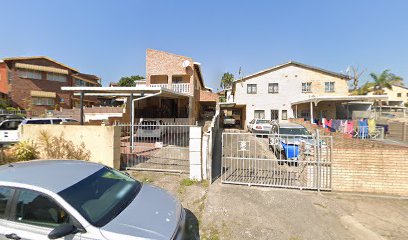
Ashrafiyah Talimaatul Islamia is a School establishment in Chatsworth, KwaZulu-Natal, South Africa
Chatsworth
KwaZulu-Natal
Risecliff, Chatsworth
South Africa

no-image
Sorry, no records were found. Please adjust your search criteria and try again.
Sorry, unable to load the Maps API.
School services in Chatsworth, KwaZulu-Natal
In Chatsworth, KwaZulu-Natal, school services span a broad spectrum designed to support learners from early childhood through to higher primary and secondary levels. Local schools typically offer foundational programmes in core subjects such as literacy, numeracy, science, and social studies, alongside specialised activity through arts, sport, and technical education. The emphasis is on fostering academic development while encouraging personal growth, resilience, and a sense of community.
A common feature across many schools in the area is structured daily timetables that integrate academic lessons with intrinsic development activities. Learners can expect well-organised classrooms, access to libraries, computer labs, and science facilities that mirror the needs of contemporary education. In addition to formal lessons, schools often provide guidance and support services designed to assist students with study skills, examination preparation, and career planning. Where appropriate, incursions and external collaborations enrich the curriculum with cultural, environmental, and scientific enrichment.
Transport arrangements are a practical consideration for families in Chatsworth. Many schools organise dedicated bus routes or provide transportation options to accommodate commuting patterns from surrounding townships and suburbs. Parental involvement is encouraged through school governance structures and parent-teacher associations, fostering communication between families and schools and supporting school events and fund-raising activities.
Extracurricular programmes are a staple of school life, offering opportunities to pursue interests beyond the core curriculum. Typical offerings include:
- Sports such as athletics, cricket, rugby, netball, and swimming, with negotiation of seasonal schedules and inter-school matches.
- Arts and culture, including music, drama, visual arts, and dance, often linked to school performances and exhibitions.
- Academic clubs, language groups, and technology or coding clubs that stimulate curiosity and collaborative problem-solving.
- Community service or outreach projects that build social responsibility and local engagement.
Admissions and progression within Chatsworth schools generally follow standard administrative practices. Prospective parents and guardians can expect information sessions, tours, and an admission process that outlines placement criteria, assessment methods, and timelines. Many schools provide oversight for learners with diverse needs, including language support or additional assistance where necessary, while maintaining inclusive admission policies in alignment with national guidelines.
Safety and well-being are prioritised in school settings. Campuses typically feature controlled access, well-lit grounds, and supervised play areas. Staff roles encompass pastoral care, welfare support, and safeguarding practices to promote a secure environment conducive to learning. Health considerations, including access to first aid and school nurses or designated welfare officers, contribute to a holistic approach to student welfare.
Practical considerations for families include the routine of school terms, holiday schedules, and fee structures. While precise figures vary between institutions, awareness of annual or termly fees, payment policies, and potential financial assistance programmes helps families plan effectively. Parents are encouraged to engage with school communications for updates on calendars, exam timelines, and important notices.
In summary, school services in Chatsworth, KwaZulu-Natal, combine strong academics with a broad range of enrichment activities, student support, and practical arrangements that reflect local commuting realities and community involvement. The typical environment supports learners in achieving academic progress while developing social, physical, and creative competencies within a supportive and well-managed setting.