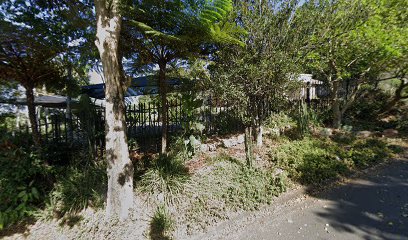
2 Little Fishes Playschool is a Play school establishment in Westville, KwaZulu-Natal, South Africa
Westville
KwaZulu-Natal
3629
South Africa

Sorry, no records were found. Please adjust your search criteria and try again.
Sorry, unable to load the Maps API.
Play School Services in Westville, KwaZulu-Natal
Play school services in Westville offer early childhood experiences designed to support social, emotional and cognitive development during the crucial early years. Typically aimed at children from approximately two to four years old, these programmes emphasise learning through play, structured routines, and a gentle transition from home life to a more formal educational setting. Westville’s play schools are positioned to accommodate families in a growing suburban area while ensuring easy access for commuters and workers in neighbouring towns.
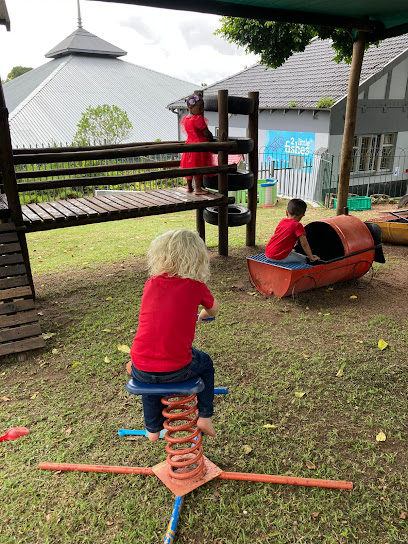
Daily routines usually combine supervised play with guided activities. Flexible play sessions often include free play with age-appropriate toys, creative arts and crafts, music and movement, storytime, and gentle early exposure to numbers, colours and language. The aim is to cultivate curiosity, cooperation and fine motor skills in a safe, nurturing environment. Outdoor play is commonly incorporated when weather allows, offering opportunities for physical activity, exploration of outdoor spaces and the development of gross motor skills.
Qualified or experienced early childhood practitioners typically supervise these settings. Staff commonly adopt child-led approaches blended with gentle instruction, ensuring close supervision and personal attention. The environment is usually designed to be child-friendly and secure, with attention to clean facilities, child-sized furniture, sanitising routines and clear safety protocols. The emphasis remains on creating a positive sense of belonging, where children are encouraged to express themselves, trial new activities and learn to share and cooperate with peers.
Families can expect transparent information about a programme’s structure, attendance options and the involvement of parents in the learning journey. Enrolment processes typically involve a tour or introductory visit, an outline of daily timetables and notes on any special needs or dietary considerations. While specific fees and term dates vary, most play schools in Westville operate on a termly or monthly payment basis and may offer part-time or full-day options depending on the centre’s capacity and policy. It is common for programmes to run during standard school terms, with occasional holiday activities or shorter sessions during school holidays.
Practical considerations form an important part of choosing a play school in Westville. Proximity to home or work can influence convenience and daily routines, while parking, safe drop-off and pick-up arrangements, and security measures matter to parents. Health considerations—such as vaccination status, allergy management and procedures for sick children—are typically addressed in written policies provided before enrolment. Nutritional needs and dietary restrictions are often accommodated through snacks offered on site, with clear guidance on what is provided and what parents should supply.
Language and cultural context play a role in many Westville settings, reflecting the region’s diverse community. While core learning objectives focus on readiness for formal schooling, play schools often celebrate local customs, music and storytelling traditions, helping children build a sense of place within KwaZulu-Natal and broader South Africa. Inclusivity and accessibility are commonly emphasised, with provisions for children who require additional support or adaptations to participate fully in activities.
Parents seeking play school services in Westville should consider visiting a few centres to observe the daily routine, meet the staff and ask about safety practices, parent communication channels and progression pathways. While play schools do not typically guarantee formal qualifications, they often provide a strong foundation in early learning principles that complements later school readiness. The overall aim is to create a secure, enjoyable environment where children can explore, learn and develop confidence as they prepare for the next stage of their educational journey.
- Small group sizes and dedicated play spaces
- Structured routines paired with imaginative play
- Healthy snack plans and dietary considerations
- Clear drop-off and pick-up procedures
- Open communication with parents through notes and newsletters