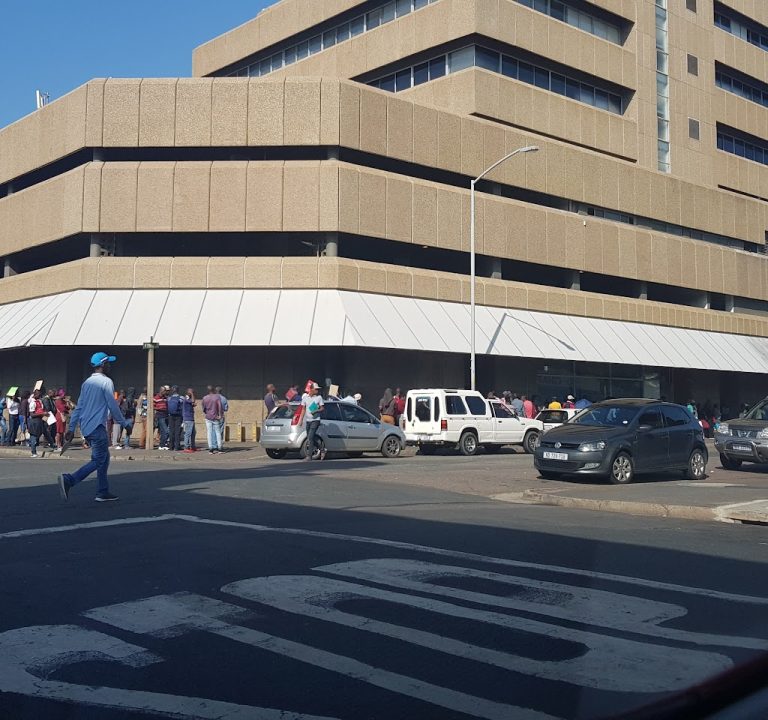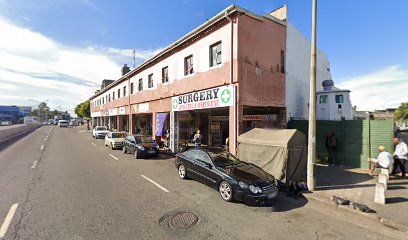
21st Century Funeral Service Durban Pty. Ltd. is a Cremation service establishment in Durban, KwaZulu-Natal, South Africa
Durban
KwaZulu-Natal
4000
South Africa
Sorry, no records were found. Please adjust your search criteria and try again.
Sorry, unable to load the Maps API.
Cremation services in Durban, KwaZulu-Natal: a practical overview
In Durban, KwaZulu-Natal, cremation services are offered by a range of licensed undertakers and crematoria providers, serving diverse cultural and religious communities. The process is typically arranged through a local funeral director, who guides families through the necessary steps and documentation, including authorisation for cremation and any required permits. While offerings can vary, most providers aim to offer a respectful, dignified experience tailored to individual wishes and budgetary considerations.
Families can generally expect a sequence of standard arrangements. Initial contact is followed by guidance on choosing between a direct cremation (a simple service with a later cremation and no formal ceremony at the crematorium) and a traditional funeral with a service either before or after cremation. Some families may opt for a memorial service at a church, hall, or cemetery chapel, with the cremation still taking place separately. A funeral director typically coordinates transport of the deceased, arrival at the crematorium, and the timetable for cremation, ensuring compliance with local regulations and safeguarding the dignity of the process.
Documentation is a central practical aspect. The process usually requires an authorised death certificate, a cremation order, and any necessary permissions from next of kin or executors. For certain faiths or cultural practices, additional considerations may apply, and some providers offer guidance on how best to accommodate those preferences within the legal framework in South Africa. Families should be prepared for the administrative aspects, as timely submission helps avoid delays in scheduling cremation slots.
Standard cremation options typically include choices regarding the type of vessel for the cremated remains and the final resting place. A common preference is to receive the ashes in a standard urn, with alternatives such as biodegradable containers, keepsake pieces, or ceramic urns available through the crematorium or the funeral director. In Durban, where climate and local landscapes influence memorial aesthetics, many families consider memorialisation on or near Durban’s coastal and inland sites. Options may include niche columbaria in cemeteries, dedicated memorial gardens, or scattering rights within approved areas, subject to local regulations and landowner permissions.
Public health and safety standards guide cremation procedures. The person responsible for the arrangements will typically oversee the identity verification processes to ensure the remains are correctly matched to the paperwork. The actual cremation is conducted in a controlled chamber, with appropriate filtration and emission controls in place as required by South African environmental and health regulations. Timeframes vary with workload and the chosen service, but families are usually given an estimated schedule for when the cremation will occur and when ashes will be available for collection or delivery to the family or a memorial site.
Practical considerations extend beyond the ceremony itself. It is useful to consider transport logistics, particularly for families travelling from inland areas or neighbouring towns to Durban. For certain communities, religious observances or cultural rites surrounding death may influence the timing or sequencing of events, such as whether a wake precedes a service or whether a post-cremation gathering is appropriate. Availability of viewing facilities, the handling of personal mementos, and special requests concerning music or readings can often be discussed with the funeral director or crematorium staff in advance.
Durban's cremation services prioritise sensitivity to individual belief systems while delivering a clear, straightforward pathway from initial contact to the interment of remains or their final resting place. For those navigating the process, engaging a reputable, licensed provider remains the key to ensuring respectful treatment, transparent arrangements, and a personalised approach that reflects the wishes of the deceased and their family.