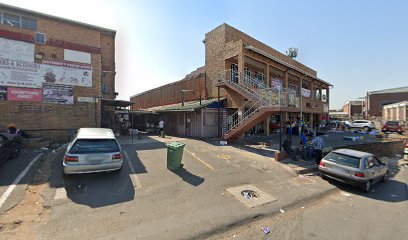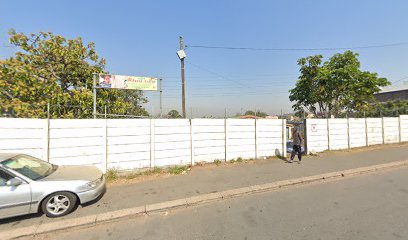
ABH Happy Hours Educare is a Preschool establishment in Durban, KwaZulu-Natal, South Africa
Durban
KwaZulu-Natal
Chatsworth, Durban
South Africa
Sorry, no records were found. Please adjust your search criteria and try again.
Sorry, unable to load the Maps API.
Preschool Services in Durban, KwaZulu-Natal
Preschool provision in Durban typically centres on early childhood education designed to prepare children for formal schooling while supporting social, emotional and physical development. These programmes often combine structured learning with play, offering age-appropriate activities that encourage curiosity, language growth, motor skills and early numeracy. In Durban, preschools may be located in urban neighbourhoods, coastal towns and outlying suburbs, providing options for families seeking convenient access as well as specialist programmes in dedicated educational centres.
A core element of Durban’s preschool offerings involves safeguarding and a nurturing environment. Clasrooms are commonly arranged to foster exploration and interaction, with dedicated spaces for quiet activities, creative arts, and outdoor play. Many centres emphasise routines and consistency—regular meal and snack times, rest periods, and predictable daily structures—to help young children feel secure and engaged. Safety considerations frequently include secure entry points, child-sized furniture, and well-supervised outdoor play areas.
Curriculum and activities tend to cover a broad spectrum of developmental domains. Language development is promoted through storytelling, singing, rhymes, and conversations that reflect local cultures and languages. Social skills are cultivated by group activities, sharing and collaboration, and guided play opportunities. Early numeracy often emerges through games, construction play, and practical activities such as sorting and measuring. Arts and crafts, music, movement, and outdoor exploration are common, helping children express themselves and build confidence.
Preschools in Durban may offer a variety of specialised and inclusive options. Some centres provide programmes that cater to multilingual environments, recognising isiZulu and English as common languages in the region. Inclusive practices are frequently emphasised, with adaptations to support children with additional learning needs and varying levels of independence. Where relevant, parents can expect advice and support regarding developmental milestones, sleep routines, feeding, and transitions to primary education.
Practical arrangements vary, but several factors are commonly considered by families when choosing a preschool in Durban. Hours of operation often align with working patterns, offering full-day or half-day sessions, and sometimes flexible care to accommodate drop-off and pick-up windows. The daily timetable typically balances learning activities with rest, play, and meals. Transport options may be discussed, with some centres providing safe pickup arrangements within a defined service area.
Staff qualifications and ratios are important considerations, with many preschools striving to employ trained practitioners who understand early childhood development. While specific certifications may differ, the emphasis generally lies on qualified teachers or caregivers who can deliver age-appropriate learning experiences and maintain a supportive atmosphere. Parental involvement is commonly encouraged through regular communication, progress updates, and opportunities to participate in events or activities.
Parents and guardians can anticipate a focus on a warm, engaging environment rather than a rigid classroom setting. Transitions between activities are often guided by gentle routines, with plenty of opportunities for play-based learning. In Durban, preschools may also reflect regional cultural experiences and community connections, incorporating local visits, stories, and celebrations that enhance relevance and engagement for young learners.
Overall, Durban’s preschool sector aims to offer accessible, secure, and developmentally appropriate early learning experiences. By emphasising social preparation for school, alongside foundational literacy and numeracy, these programmes support families seeking a smooth progression into formal education, while acknowledging the diverse linguistic and cultural landscape of KwaZulu-Natal.