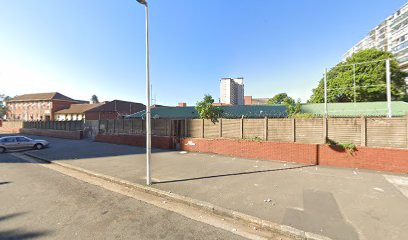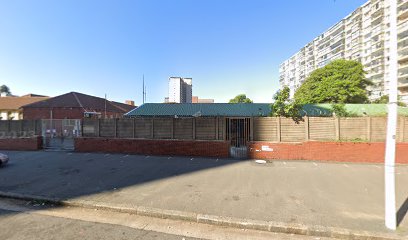
Addington Hospital, Gateway Clinic is a Medical clinic establishment in Durban, KwaZulu-Natal, South Africa
Durban
KwaZulu-Natal
4000
South Africa
Sorry, no records were found. Please adjust your search criteria and try again.
Sorry, unable to load the Maps API.
Medical Clinic Services in Durban, KwaZulu-Natal: What to Expect
Durban, a coastal city in KwaZulu-Natal, offers a diverse range of medical clinic services designed to meet the needs of residents and visitors alike. Clinics in this region typically provide primary care through general practitioners, as well as more specialised medical services within community health centres and private practices. The emphasis is on accessible, patient-centred care that supports ongoing health management, preventive work, and timely treatment for acute conditions.
Common services and how they operate
- General practice and family medicine: Most clinics provide routine check-ups, annual health assessments, and management of common illnesses. Appointments can be booked for short consultations or longer visits when chronic conditions require careful review. A typical visit may include a history review, physical examination, routine screening tests, and personalised advice on lifestyle, nutrition, and medication.
- Paediatrics: Clinics often cater to children with growth monitoring, immunisations, acute fever management, respiratory infections, and developmental checks. Parents can expect friendly, age-appropriate care and guidance on vaccination schedules and child health milestones.
- Women’s health: Services commonly cover cervical screening, pregnancy-related care, contraception advice, menstrual health, and screening for breast health. While urgent pregnancy-related concerns warrant urgent attention at emergency facilities, routine monitoring and preventative care are typically available through dedicated clinics.
- Chronic disease management: For conditions such as hypertension, diabetes, and asthma, clinics offer monitoring, medication reviews, education on self-management, and referrals to specialists when necessary. Regular follow-ups help in adjusting treatment plans and reducing the risk of complications.
- Minor procedures and diagnostics: Some clinics perform minor procedures, wound care, injections, earwax removal, and basic dermatology services. On-site basic diagnostic tests—such as blood pressure checks, glucose tests, urine analysis, and basic imaging referrals—are commonly available or arranged with partner laboratories.
- Vaccinations and travel health: Immunisation services are frequently offered, alongside travel health advice and preventive measures for visitors to and from the region. Vaccination records and schedules are usually kept up to date within the patient file.
- Occupational health and wellness: A number of clinics serve corporate clients, providing pre-employment assessments, fitness-for-work evaluations, health surveillance, and routine workplace health programmes.
What patients can expect
- Accessibility: Durban clinics range from central urban facilities to neighbourhood health centres. Public clinics may offer subsidised care, whereas private practices tend to provide shorter waiting times and more personalised attention, subject to pricing and insurance arrangements.
- Language and cultural considerations: South Africa's multilingual landscape means clinics often accommodate a variety of languages and cultural expectations. Reception staff and clinicians may provide support in English as well as local languages where possible.
- Payment and insurance: Organisation of payments typically depends on whether the clinic operates on a private basis, through public healthcare channels, or via medical aid. Patients are advised to clarify consultation fees, test costs, and any possible cash-only requirements before treatment.
Practical considerations for visiting
- Booking: Appointments are commonly available by phone or online scheduling, with walk-in options at some facilities. For non-urgent matters, a scheduled visit helps manage wait times.
- Follow-up care: After a consultation or procedure, clinics usually provide clear care instructions, prescribed medicines, and information on when to seek urgent care. Follow-up appointments can be scheduled to monitor progress or adjust treatment if needed.
- Emergencies: Urgent medical needs are typically directed to emergency departments or dedicated urgent care centres. Clinics may offer triage guidance or referrals to appropriate facilities for acute situations.
In Durban, the range of medical clinic services reflects the region’s demographics and healthcare landscape, prioritising accessible primary care, preventive guidance, and coordinated management of ongoing health needs.