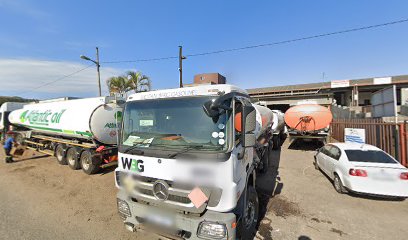
Africa Global Logistics AGL is a Freight forwarding service establishment in Durban, KwaZulu-Natal, South Africa
Durban
KwaZulu-Natal
4052
South Africa


Sorry, no records were found. Please adjust your search criteria and try again.
Sorry, unable to load the Maps API.
Freight forwarder services in Durban, KwaZulu-Natal — what to expect
Durban, as a major port city on the east coast of South Africa, serves as a critical hub for international trade and domestic distribution. Freight forwarding services in this region focus on moving goods efficiently from origin to destination, navigating customs formalities, and coordinating multimodal transport. Local providers typically offer end-to-end support designed to minimise delays, reduce costs, and ensure compliance with applicable regulations for both bulk cargo and smaller consignments.
Clients can expect a range of core offerings that address the complexities of international shipping. These include arranging transport from the exporter’s door to the importer’s door, handling documentation, managing customs clearance, and issuing appropriate cargo insurance. A typical forwarder integrates several modes of transport—air, sea, and road—to create a seamless supply chain flow. In Durban, proximity to the harbour and associated inland logistics—such as road feeder services and rail connections—enables efficient handling of maritime cargo, including containers, break-bulk parcels, and project cargo.
Customs compliance forms a central component of the service. Experienced freight professionals prepare essential documents, verify that duties and VAT are correctly assessed, and liaise with customs authorities. This process helps to avoid unnecessary holds or penalties while ensuring that shipments meet the specific requirements of South Africa’s import and export regimes. Additionally, freight forwarders typically provide guidance on incoterms, classification of goods, and applicable exemptions, enabling clearer budgeting and risk management for clients.
To support daily operations, most Durban-based forwarders offer practical logistics services that can be customised to the shipment type. A typical package may include:
- Pre-shipment planning and cargo consolidation
- Booking space on ships or aircraft and arranging inland transportation
- Documentation management, including commercial invoices, packing lists, and certificates of origin
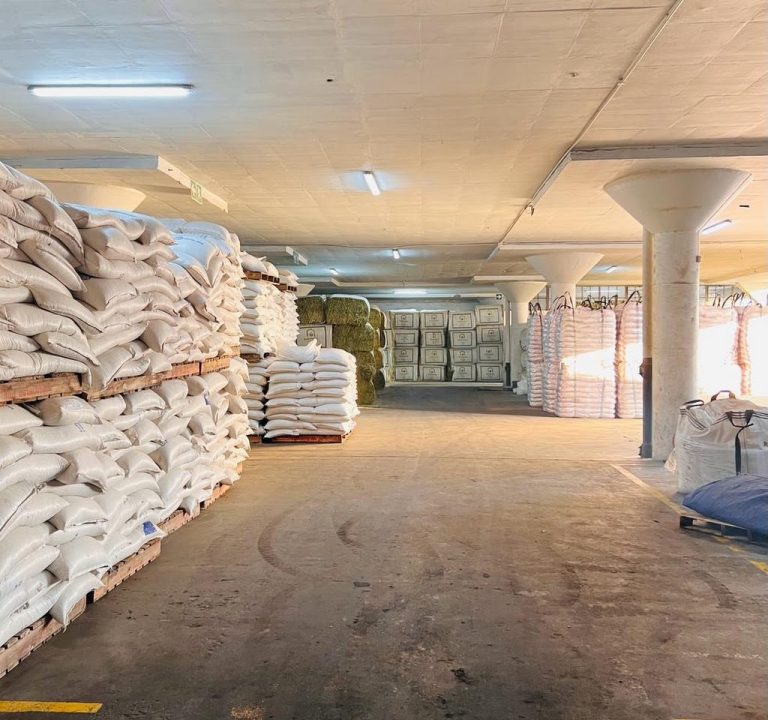
- Warehousing, storage solutions, and inventory control
- Insurance placement and risk analysis for cargo in transit
- Tracking, tracing, and status updates throughout the journey
- Delivery coordination at the destination and final-mile arrangements
For certain industries, additional specialised services may be offered, such as handling hazardous materials, temperature-controlled logistics for perishables, or project cargo management for large-scale equipment. While specific platforms or software ecosystems are not universally highlighted, many operators utilise established systems to monitor shipments, generate compliant documentation, and keep customers informed about timelines and milestones. The emphasis remains on reliability, visibility, and proactive problem-solving rather than on any single technology feature.
Practical considerations for engaging a freight forwarder in Durban include evaluating the provider’s local knowledge, network reach, and responsiveness. The harbour experiences peak activity periods, weather variances, and occasional congestion, which can impact transit times. A suitable forwarder should demonstrate robust contingency planning, including alternative routing options and access to reliable subcontractors. Communication styles and reporting frequencies are also important, as clear updates help recipients plan downstream operations, from procurement to retail distribution.
Security and compliance extend beyond customs. Reputable operators prioritise cargo safety, implement proper handling procedures for different commodities, and maintain appropriate insurance arrangements. They can also advise on packaging standards, weight considerations, and documentation accuracy to support smooth cargo movements. Overall, the objective in Durban is to deliver a coherent logistics solution that aligns with business timelines, budget constraints, and regulatory requirements while leveraging the city’s port capabilities to facilitate efficient international trade.