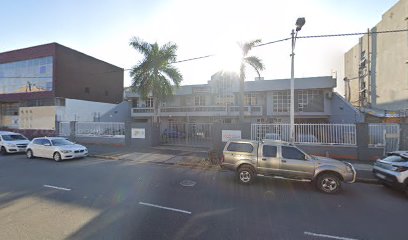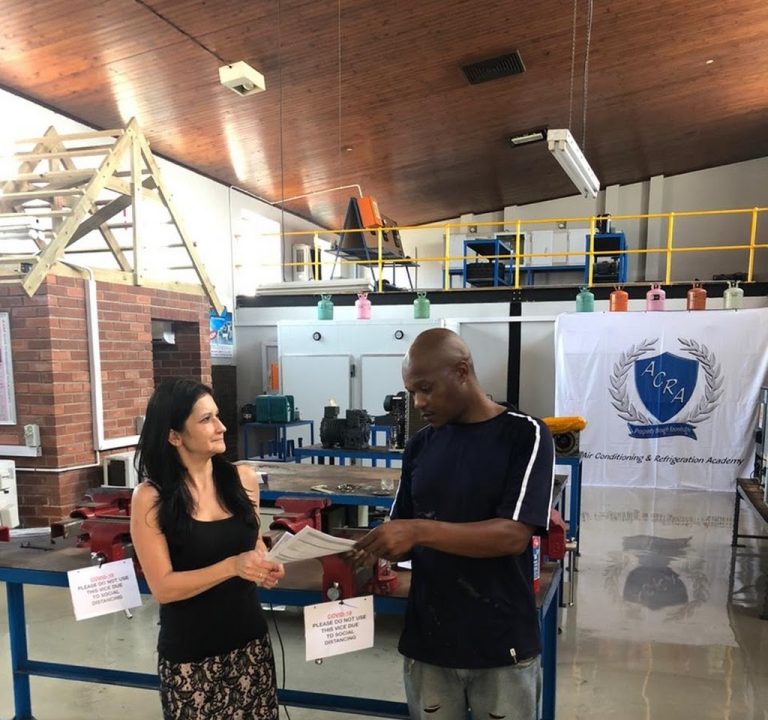
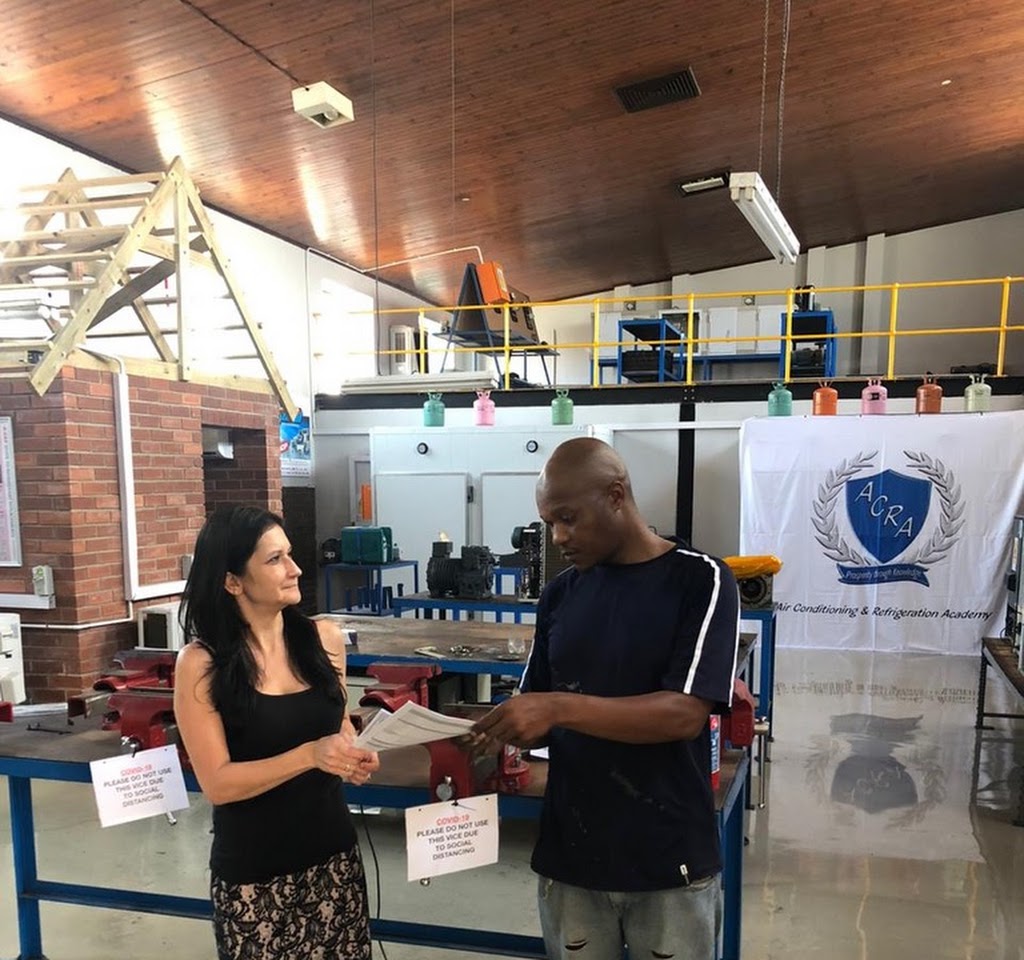
Air Conditioning and Refrigeration Academy KwaZulu Natal is a Training centre establishment in Durban, KwaZulu-Natal, South Africa
Air Conditioning and Refrigeration Academy KwaZulu Natal – Durban Branch: Training Centre Overview
The Air Conditioning and Refrigeration Academy KwaZulu Natal (ACRA) operates as a fully accredited training and trade test centre specialising in the air conditioning and refrigeration sectors. With a focus on adult learning, apprenticeships, and specialist technician training, the Durban branch mirrors the organisation’s broader commitment to practical, workplace-ready skills. The facility emphasises hands-on experience within a substantial 2,800 square metre workshop, designed to support a wide range of training needs in air conditioning, refrigeration, ventilation, and related disciplines.
ACRA’s KwaZulu Natal operations highlight three core service streams: comprehensive courses in air conditioning and refrigeration technologies, safety and compliance credentials, and recognised apprenticeships and trade testing. These offerings are underpinned by involvement with national bodies and accreditation schemes, positioning the centre within the broader South African industry framework. The academy also benefits from access to a network of fully operational plants and real-world equipment, enabling learners to observe and practise with equipment representative of current industry practice.
In terms of course content, the Durban branch delivers a broad portfolio designed to cover the lifecycle of professionalism in the field. This includes basic to advanced courses in Air Conditioning & Refrigeration Technology (ranging from introductory to diploma-level programmes), as well as specialised units such as Vehicular Air Conditioning (covering automotive and earthmoving/mining equipment) and installation, fault-finding, maintenance, and repair of various unit configurations. The curriculum also extends to ventilation training and related electrical and piping modules, ensuring a holistic understanding of systems within built environments and vehicles alike.
Safety, compliance, and industry credentials form a substantial component of the centre’s offering. ACRA’s safety training includes SAQCC/SARACCA authorised courses for safe handling and gas administration, with both new and renewal options available. The centre also provides CoC (Certificate of Conformance) services and engages with industry‑level safety standards, enabling learners to meet legal and regulatory expectations for professional practice.
Apprenticeships and trade qualifications form an important pillar of the Durban operation. MerSETA apprenticeship pathways in Refrigeration Mechanic and related trade test assessments are supported, subject to SETA schedules and application processes. The academy acts as a decentralised trade test centre, assisting applicants through preparation, assessment, and recognition processes, and offering trade test revision and pre‑trade test revision sessions to strengthen success rates. This structure aligns with the organisation’s stated aim of delivering practical, competency-based training that translates directly into workplace performance.
Course delivery is reinforced by employment of a robust support framework for learners, including guidance in enrolment, access to workshops, and a schedule of available dates for trade tests and related assessments. The Durban branch participates in a SEL (learner) pathway that integrates theory with practical exposure, ensuring competence across the spectrum of duties associated with air conditioning and refrigeration roles. While specific hourly timetables are course‑dependent, some SARACCA and related safety trainings operate with standard class times, typically 08h00 to 15h30 for certain modules and assessment blocks.
Location and accessibility are emphasised for prospective learners in KwaZulu Natal, with the Durban branch serving the regional market and contributing to the broader South African footprint through its Johannesburg and Kimberley counterparts. Visitors should review the branch’s contact details to verify available dates, booking procedures, and any location-specific requirements. The academy’s content and structure indicate a clear orientation towards practical outcomes, industry readiness, and a pathway from training through to certification and employment in the air conditioning and refrigeration sectors.
Practical tips for customers planning a booking or enquiry include checking the latest course catalogues and brochure documents for 2026, confirming the specific module or qualification requirements, and noting the class times for safety and testing courses. Prospective learners are advised to gather any required registration details and documentation ahead of enrolment, and to plan for nationally aligned recognition processes where applicable. Accommodation and local support networks may be available through the academy’s listed resources, particularly for those travelling to Durban for instructional blocks or trade tests.
Overall, the Durban branch presents a comprehensive offering designed to prepare individuals for professional roles within air conditioning, refrigeration, and allied services, with a clear emphasis on practical competence, safety compliance, and recognised trade qualifications.
Durban
KwaZulu-Natal
4001
South Africa

Sorry, no records were found. Please adjust your search criteria and try again.
Sorry, unable to load the Maps API.
Training Centre Services in Durban, KwaZulu-Natal
Durban, situated on the eastern coast of South Africa, hosts a range of training centres that cater to new entrants, professionals seeking upskilling, and organisations pursuing workforce development. These centres typically offer a blend of theoretical instruction and practical application, with programmes designed to align with local industry needs across sectors such as manufacturing, hospitality, logistics, construction, and information technology. Locations often feature accessible premises, spacious classrooms, specialised workshops, and dedicated learning labs to support hands-on learning.
A core component of the offering is structured skills training programmes. These cover introductory courses that build foundational competence, through to more advanced modules that address specific trade skills or professional disciplines. Many centres provide modular learning, enabling learners to progress at their own pace and to combine short courses into longer qualifications. This flexibility is particularly valuable for employed individuals or those balancing study with work commitments. In addition to technical skill development, programmes frequently incorporate essential soft skills, including communication, teamwork, problem-solving, and workplace etiquette, to enhance employability.
Practical training is a hallmark of Durban’s centres. Learners can expect hands-on activities in well-equipped spaces such as kitchens for culinary training, workshops for mechanical and electrical trades, computer labs for ICT-related courses, and workshop floors for construction and fabrications. Simulation equipment and practice environments may be utilised to rehearse job-related tasks in a safe setting before applying skills in real-world contexts. Assessment generally combines practical demonstrations, written assessments, and project work to verify competence.
Preparation for the workplace is another important focus. Career guidance, CV writing support, interview preparation, and help with job search strategies are commonly available. Some centres also offer workplace-based learning experiences, such as internships or supervised projects, to bridge training with employment opportunities. Industry engagement is often encouraged through partnerships or collaborations with local businesses, which can provide insights into current workplace standards and potential placement prospects.
For organisations seeking training in Durban, these centres can tailor programmes to meet specific needs. Customised curricula may be developed in collaboration with industry partners to address defined skill gaps, compliance requirements, or new technologies. Training providers may also offer flexible scheduling, including weekday, weekend, or evening sessions, to align with operational demands. In terms of facilities, many centres advise on suitable spaces for learning, ranging from traditional classrooms to practical studios and computer-enabled workstations.
Customers should consider several practical aspects when selecting a Durban training centre. Proximity to home or work reduces travel time, while accessible transport routes and parking facilities contribute to overall convenience. Clear information about course length, delivery modes (in-person, blended, or online components), and intake dates supports effective planning. It is prudent to verify the centre’s accreditation status, typical assessment methods, and the recognised outcomes upon completion. Cost structures, including tuition, materials, and any additional fees, warrant careful comparison, along with available funding or sponsorship options.
In summary, Durban’s training centres offer a spectrum of services aimed at developing practical skills and improving employability. From entry-level introductions to trades-focused qualifications and workplace-readiness coaching, the centres provide structured pathways designed to meet the needs of individuals and local industries alike, with adaptive delivery and a focus on real-world applicability.