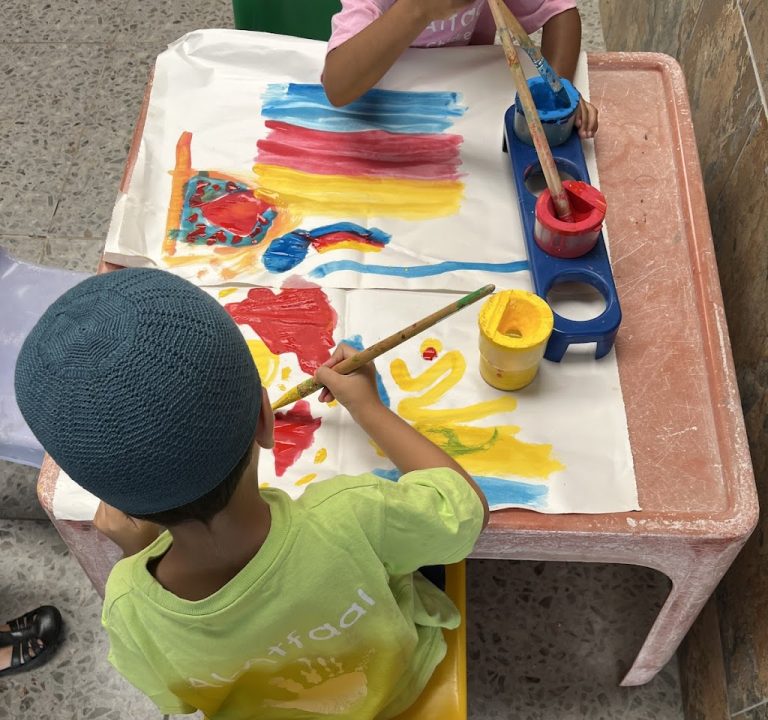
Al-Atfaal Islamic Montessori Pre-School is a Preschool establishment in Durban, KwaZulu-Natal, South Africa
Durban
KwaZulu-Natal
4001
South Africa
Sorry, no records were found. Please adjust your search criteria and try again.
Sorry, unable to load the Maps API.
Preschool services in Durban, KwaZulu-Natal
In Durban, KwaZulu-Natal, preschool programs are designed to support early years development through a mix of structured activities and exploratory play. Providers in the region typically cater to children from around two to five years old, with sessions built to align with local school entry norms. The emphasis is on nurturing curiosity, social interaction and foundational literacy and numeracy skills in a safe, supportive environment.
Preschool settings in Durban commonly offer a variety of daily routines that balance child-led play with adult-led activities. Children may participate in language development activities, storytelling, group singing, and basic counting or pattern-based tasks. Outdoor time is frequently incorporated, taking advantage of Durban’s temperate climate to facilitate play in open spaces, gardens or shaded courtyards. Snack times and regular rest periods are standard, supporting emotional regulation and physical well-being.
Curricula in the city often adopt a play-based or holistic approach, emphasising social-emotional learning alongside early literacy and numeracy foundations. Some programmes might integrate elements of thematic units, arts and crafts, music, movement, and simple science explorations. Language support is a common feature, particularly in settings that serve multilingual communities; staff may use a combination of isiZulu, English and other local languages to promote inclusive communication and cognitive development.
Parental engagement is typically encouraged through regular updates, informal discussions with teachers, and occasional showcases or parent–child activities. While structures vary, many Durban preschools prioritise strong relationships between educators and families, clear routines, and consistent boundaries to foster a secure learning environment. Safety considerations are central, with secure entrances, fenced play areas, age-appropriate equipment, and staff trained in first aid and child safeguarding practices.
Practical considerations inform choice and daily arrangements. Enrolment processes generally involve a tour or open day, submission of basic child information, and confirmation of approved start dates. Some programmes offer half-day options while others provide full-day or extended care, sometimes including after-care for working families. Provision for meals or snacks is common, with attention to allergy awareness and dietary requirements. Transport arrangements may be available through school-provided routes or through partnerships with local services, depending on location and policy.
Families selecting a preschool in Durban may weigh factors such as proximity to home or work, the ambience of the learning environment, and the accessibility of facilities. Urban centres in Durban can present busy commutes, while coastal and suburban areas may offer calmer settings with larger outdoor spaces. Distance from amenities such as medical clinics, libraries or playgrounds can influence convenience and safety planning for families, especially in inclement weather or during peak traffic times.
Prospective parents are advised to consider staff qualifications and the overall culture of the setting. While formal accreditation schemes vary, many preschools in KwaZulu-Natal prioritise ongoing professional development for teachers, age-appropriate safety practices, and a supportive approach to handling mild behavioural challenges. Clear communication regarding routines, fees, and attendance policies helps manage expectations and fosters a cooperative relationship between educators and households.
- Typical daily structure includes arrival, circle time, focused activities, play-based learning, snack, outdoor play, and quiet time.
- Common programme elements cover language development, early numeracy, creative arts, and basic scientific exploration.
- Safety, wellbeing, and inclusive practices are central to the provision.