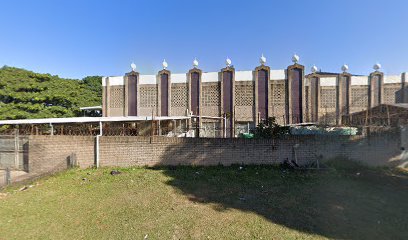
AL KHALIL MUSLIM SCHOOL is a School establishment in Isipingo, KwaZulu-Natal, South Africa
Isipingo
KwaZulu-Natal
4133
South Africa
Sorry, no records were found. Please adjust your search criteria and try again.
Sorry, unable to load the Maps API.
School services in Isipingo, KwaZulu-Natal
Across Isipingo, KwaZulu-Natal, educational institutions provide a range of services designed to support pupils from early years through to secondary schooling. As neighbourhoods expand and families seek convenient access to education, schools in this coastal region emphasise not only core academic delivery but also holistic development, safety, and community engagement. The following overview outlines typical services encountered by learners and parents in this location.
Many schools follow the national curriculum framework used across South Africa, supplemented by school-specific programmes. Core academic activity usually centres on reading, mathematics, science, language studies (often including English and isiZulu), social sciences, and arts and physical education. The timetable is structured to balance classroom learning with practical activities, fostering literacy, numeracy, critical thinking, and practical skills. Continuous assessment, formal examinations, and termly reporting are common features, helping parents track progress and identify areas for support.
A distinctive feature in Isipingo is the emphasis on accessibility and community partnerships. Public transport routes, school timetables, and safe access to and from campuses are important considerations. Some schools organise shuttle services or coordinate with local buses to ease travel for daily attendance. When transport is unavailable or impractical, families commonly arrange carpooling or walk to nearby towns, depending on the campus location and security arrangements.
Enrolment and admissions processes vary by school but typically require documentation such as proof of identity, previous schooling records, and proof of residence. Schools may offer matriculation support in the senior grades, study guidance for exams, and information sessions to help prospective learners and their guardians make informed choices about subject selections and progression paths. Language of instruction varies by campus, with English often used as the primary language of instruction while isiZulu or other local languages may be offered as additional language options.
Extra-curricular and enrichment activities form a key part of the student experience. In Isipingo, schools commonly provide programmes in sports, music, arts and crafts, drama, coding, and science clubs. After-school care and homework support are frequently available, particularly for working families. Seasonal programmes, literacy initiatives, and community service projects are also common, designed to foster social responsibility and practical skills beyond the classroom.
Safety and wellbeing occupy a priority position. Access control, well‑lit campuses, trained staff, and clear safeguarding policies contribute to a secure environment. Guidance counsellors or pastoral care staff may support learners with personal, academic, or social challenges. Guest speakers, career days, and informational sessions help pupils understand the broader context of schooling, higher education, and potential vocational pathways.
Practical considerations for families include school fees (where applicable), stationery requirements, uniform standards, and the availability of lunch programmes or access to affordable meals. Many campuses in KwaZulu-Natal emphasise local matrons and support staff who help create a welcoming atmosphere for learners and foster a sense of belonging within the school community. When selecting a school in Isipingo, it is advisable to visit during normal hours to observe classroom dynamics, facilities, and the level of student engagement, as well as to speak with administrative staff about admissions timelines and support services.
In summary, school services in Isipingo typically blend solid academic delivery with robust support for transport, after-school care, and holistic development. Learners may expect a structured yet adaptable day, guided by a local ethos that values safety, accessibility, and community involvement, while parents look for clear communication, reliable supervision, and opportunities for growth beyond the classroom.