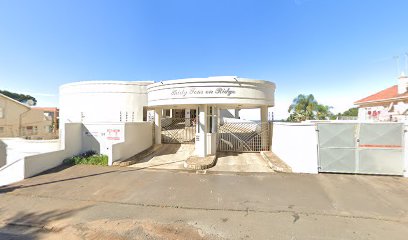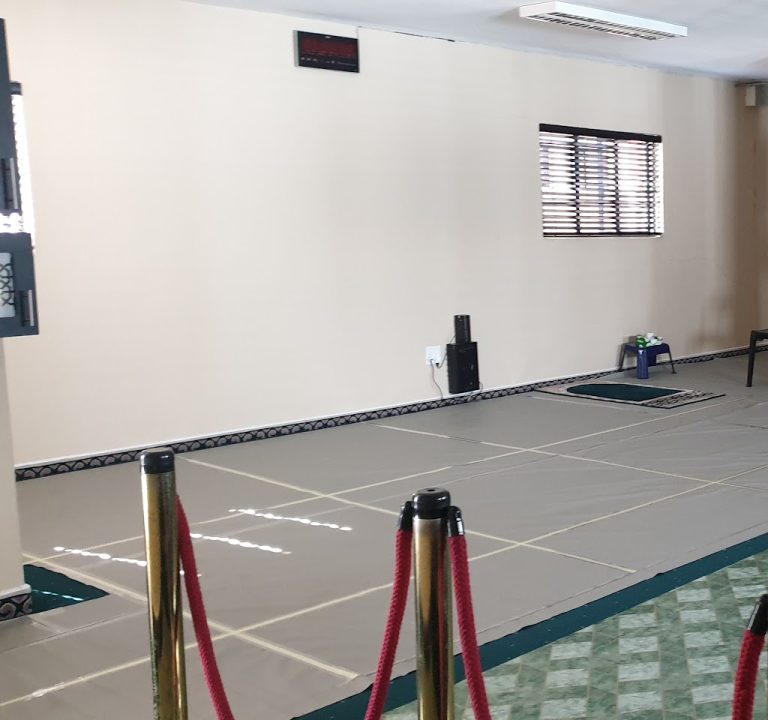
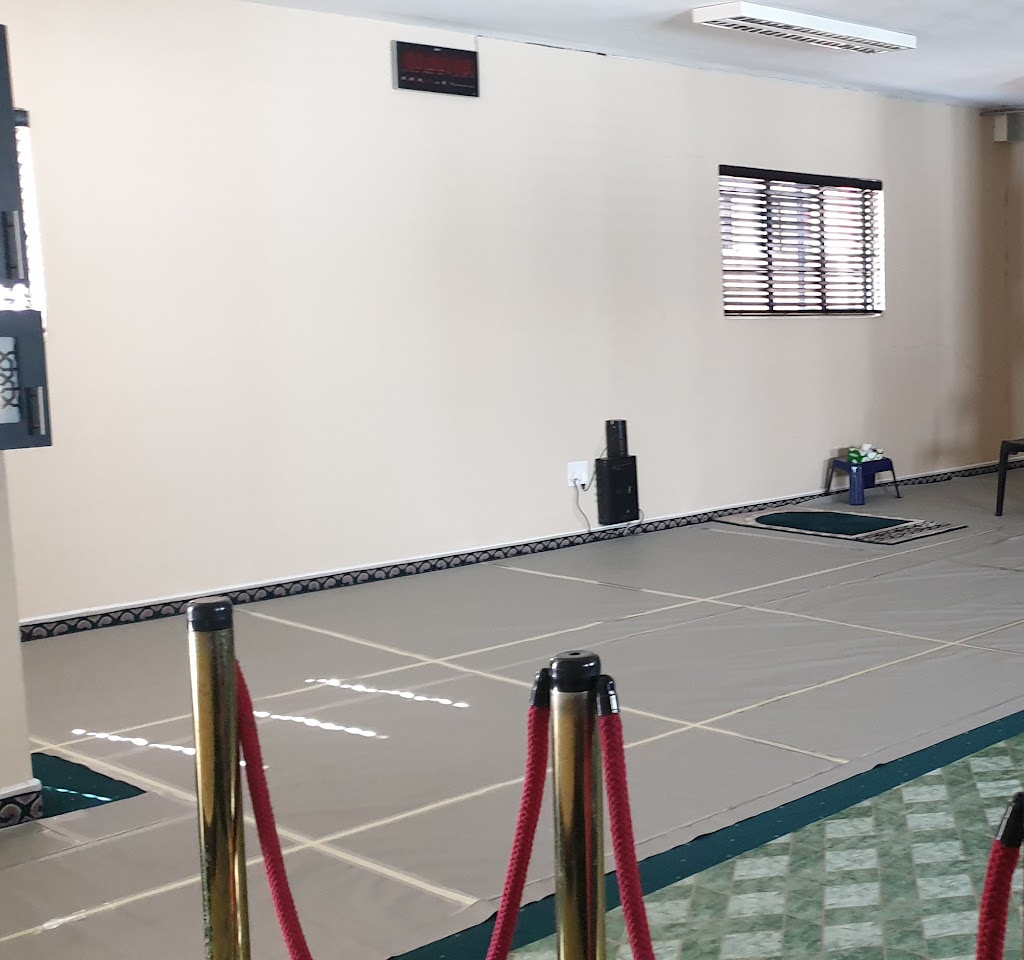
Alcock Musallah is a Mosque establishment in Berea, Kwa-Zulu Natal, South Africa
Berea
Kwa-Zulu Natal
4001
South Africa

Sorry, no records were found. Please adjust your search criteria and try again.
Sorry, unable to load the Maps API.
Mosque Services in Berea, Kwa-Zulu Natal
In the Berea area of Kwa-Zulu Natal, mosques operate as centres for worship, study and community support. Visitors can expect facilities designed to accommodate daily prayers, spiritual learning and social programmes centred on Islamic practice and values. While arrangements may vary between individual mosques, the following overview captures common patterns and practical considerations for those attending in Berea.
Daily prayer services form the core activity. The five daily salah (prayers) are typically observed in the main prayer hall, with congregational prayers drawing worshippers from the local community. The Friday Jumu’ah prayer is a highlight of the week, usually accompanied by a short Khutbah (sermon) in whichever languages are commonly understood by the congregation. Some mosques also provide separate spaces or times for women to pray, in keeping with local practice and space availability.
In addition to regular prayers, many mosques in Berea offer educational programmes. Quranic study and memorisation (hifz), Tajweed courses for proper recitation, and introductory classes on Islamic beliefs, manners and fiqh (jurisprudence) are commonly available. For families, there may be children’s programmes during weekends or after school hours, aiming to foster literacy, literacy and Islamic etiquette from a young age. It is typical to find adults’ study circles or lectures that cover a range of topics—from scripture to ethics and contemporary community issues.
Specialised services reflect the lifecycle and community needs. Funeral prayers (Janaza) can be held at or coordinated through the mosque, with guidance on the arrangements and rituals appropriate to the local community. Ramadan programming is often a focus, featuring taraweeh prayers in the evenings and community iftars (breaking of the fast) where space permits, sometimes with shared meals for participants. Eid al-Fitr and Eid al-Adha observances are marked with additional prayers and communal gatherings. Some mosques also host interfaith outreach events, youth activities, and social welfare support for those facing hardship.
Facilities and attendee experience are shaped by space, accessibility and culture. Prayer halls are typically designed to provide clean, quiet spaces for contemplation and worship, with clear directions for prayer. Ablution facilities (wudu) are essential, and mosques in Berea generally offer areas for ritual washing before prayer. Footwear is commonly removed before entering prayer areas, and modest dress is encouraged for visitors. Accessibility considerations, including ramps or wheelchair-accessible entrances, vary by building, and prospective visitors may be advised to contact the mosque beforehand to confirm arrangements for large groups, families with children, or visitors with mobility needs.
Practical considerations help ensure a respectful and convenient visit. Attendance at daily prayers can be influenced by local traffic patterns and religious observance times, which shift with the seasons. Parking often relies on on-site space or nearby streets, with some mosques providing designated areas during peak times. Language may be diverse, reflecting the multicultural community; overview information is typically available in multiple languages, including English and local dialects. Visitors should arrive a few minutes early for scheduled prayers and be mindful of side areas used by women or overflow spaces if the main hall becomes crowded.
Overall, mosques in Berea serve as focal points for worship, learning and community support. They offer a combination of regular prayer, religious education, lifecycle rites and charitable activities within a respectful environment designed to accommodate locals and visitors alike while emphasising hospitality and communal responsibility.