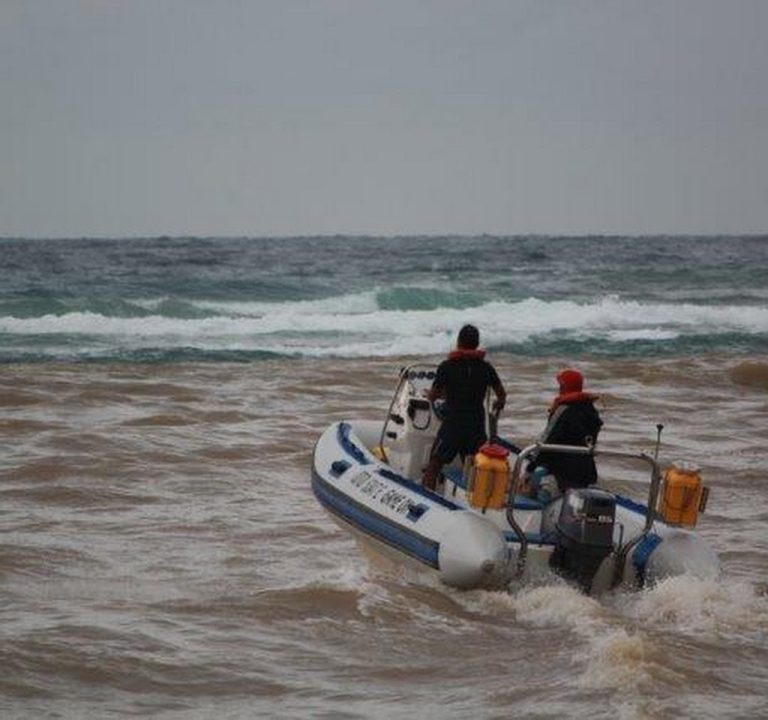
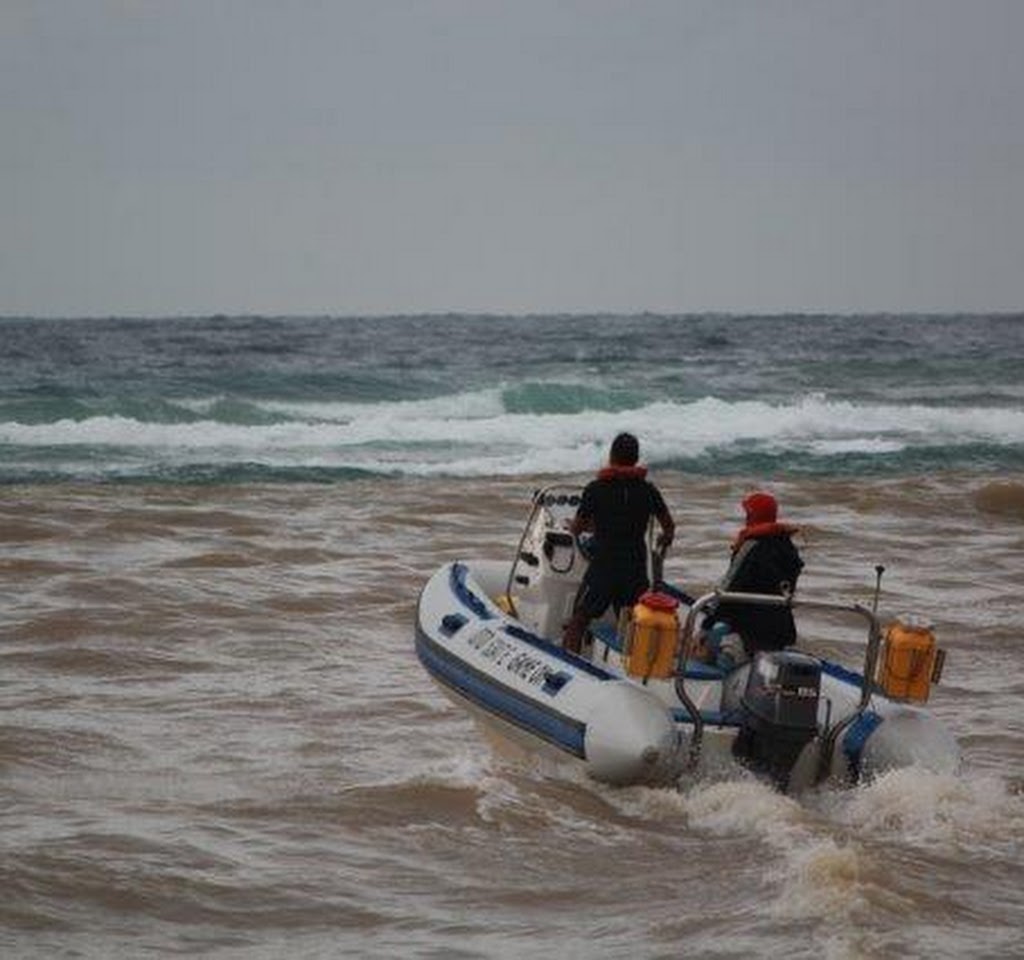
Allsafe Maritime Skippers, DOC & VHF Radio Courses. is a Training school establishment in Durban, KwaZulu-Natal, South Africa
Durban
KwaZulu-Natal
4052
South Africa
Sorry, no records were found. Please adjust your search criteria and try again.
Sorry, unable to load the Maps API.
Training School Services in Durban, KwaZulu-Natal
Training schools in Durban, KwaZulu-Natal, provide a range of adult education and skills development offerings tailored to the needs of local businesses and individuals. Typical programmes span vocational skills, professional development, and personal growth, with emphasis on practical competence and industry relevance. Durban’s coastal setting and busy commercial districts influence training environments, making courses accessible to urban workers and residents from surrounding townships and towns along the coast.
Common service categories include hands-on trade training, accelerated skill programmes, and introductory courses designed to build foundational knowledge. Practical workshops are often complemented by theory sessions to ensure understanding of concepts, safety procedures, and regulatory requirements relevant to South Africa’s work environment. Many training schools also provide specialised short courses for sectors such as hospitality, construction, electrical work, and information technology, reflecting the local economy’s diverse demands.
Assessment tends to combine ongoing performance evaluation with scheduled examinations. Learners may complete practical demonstrations, written assessments, or mixed-methods tests to demonstrate competency. In some instances, training providers organise once-off or modular assessments aligned with national or provincial frameworks, while others focus on workplace-ready skills that can be applied immediately on the job. When relevant, learners leave programmes with a certificate of completion or a formal record of achievement, subject to the standards recognised within the sector.
Facilities and delivery methods vary, but several common features appear across Durban’s training landscape. Classrooms may be equipped with standard teaching aids, while practical components take place in fully equipped workshops or on-site training facilities. In addition to traditional classroom delivery, many providers offer blended learning approaches that combine in-person sessions with online materials, enabling flexibility for working adults. Practical training often emphasises safety protocols, use of equipment, and efficient workflow to mirror real-world conditions in local industries.
Quality expectations centre on relevance, accessibility, and learner support. Reputable training schools prioritise clear course outlines, learning outcomes, and transparent timelines. Student support services, including career guidance, academic tutoring, language assistance, and assistance with scheduling, are commonly available to help learners manage commitments such as work and family responsibilities. In Durban, a diverse population engages with training services, including first-time job seekers, mid-career professionals seeking upskilling, and individuals pursuing trades or formal qualifications for credential advancement.
Practical considerations for engaging with training schools in Durban include location and transport links, which influence attendance and punctuality. Proximity to major transport routes, bus corridors, and railway stations can affect accessibility for learners from various parts of KwaZulu-Natal. The regional climate and traffic patterns may also shape preferred scheduling, with some providers offering after-hours or weekend sessions to accommodate employed learners. Registration processes typically require proof of identity, basic qualificational history, and, where relevant, prior competency records or workplace references.
Cost considerations are generally course-based rather than subscription-driven, with fees reflecting duration, level, and the intensity of practical components. In many cases, public or private funding avenues, bursaries, or employer sponsorships exist to offset costs. Prospective learners are advised to verify the recognised status of a qualification within the wider South African education and training system, and to confirm any accreditation or industry endorsements claimed by a provider. It is also prudent to assess the support infrastructure, including mentor access, assessment feedback, and opportunities for apprenticeship-type arrangements where applicable.
Overall, Durban’s training schools tend to balance practical skill development with theoretical understanding, aiming to equip individuals with tangible capabilities suitable for the city’s dynamic job market. Learners can expect structured curricula, supportive learning environments, and a focus on safe, efficient performance that translates into improved workplace productivity and employability in KwaZulu-Natal.