

Art Ballito Josee Clerk is a Art studio establishment in Durban, KwaZulu-Natal, South Africa
Art Ballito Josée Clerk: Overview of Services and Client Experience
Art Ballito Josée Clerk operates as a mixed studio, gallery and teaching space situated in the Ballito area, serving Durban and the KwaZulu-Natal coast. The business presents a combination of an art teaching programme, gallery presence and a painting store, creating a hub for artistic activity that appeals to both aspiring artists and seasoned appreciators. The overarching aim evident in the available content is to foster creativity, provide practical instruction and offer a welcoming environment where art enthusiasts can engage with a broad palette of media.
Central to the offering is a comprehensive “Learn to Paint & Draw” programme led by Josée Clerk, who positions herself as a dedicated art educator with a strong belief in the personal and therapeutic value of creative practice. The programme highlights a diverse media palette, with instruction spanning oil, acrylic, watercolor, charcoal, pastel, and drawing with pen and ink. This breadth suggests a flexible approach capable of accommodating beginners seeking foundational skills as well as more experienced artists pursuing technique refinement or new media exploration. The emphasis on guidance and mentorship underlines the studio’s role as a developmental space, where students are encouraged to grow at their own pace within a supportive environment.
Beyond formal classes, the studio hosts workshops, events and Plein air outings. The inclusion of Plein air activities signals an emphasis on outdoor practice and direct engagement with natural light and environment, offering participants opportunities to translate scenes from life into finished works. Workshops and events are described as part of the studio’s offerings, indicating a calendar-driven programme designed to stimulate ongoing practice and inspiration for artists at varying levels of ability. The combination of in-studio instruction and field-based sessions suggests a well-rounded learning model that blends technical skill-building with observational drawing and painting in real-world settings.
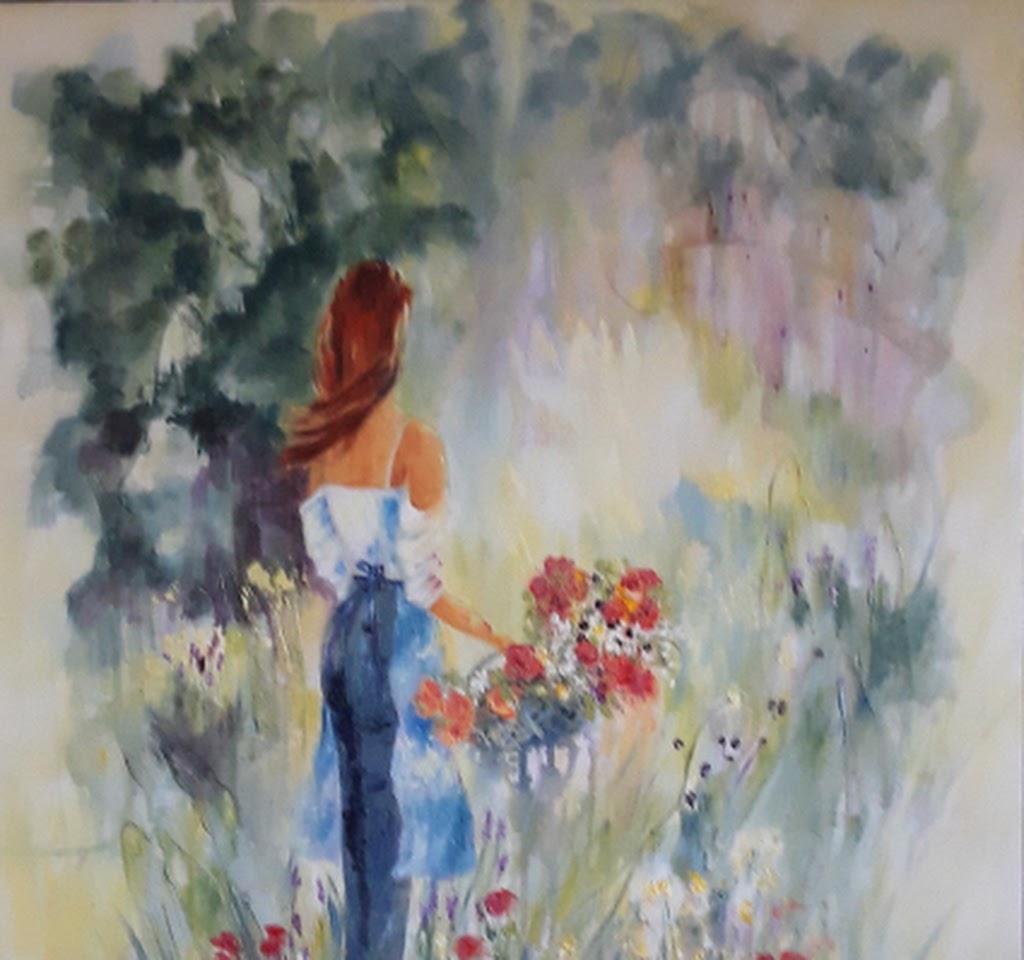
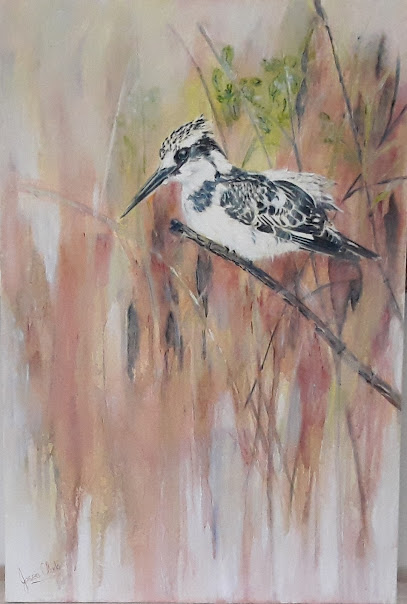
Commercially, the site communicates that Josée Clerk’s commissioned works are available for clients around the world. This element points to a professional capability to undertake personalised projects, whether for interior decorating, corporate commissions or private collections. The presence of a gallery and a painting store within the same space further supports a customer journey that moves from exploration and learning to acquisition and collection management. Visitors may encounter finished artworks for sale alongside materials and supplies, enabling a one-stop experience for art lovers and buyers.
The studio’s location in Ballito situates it within a popular coastal region of KwaZulu-Natal, offering convenient access to residents and visitors who are exploring local arts and culture. The combination of a dedicated studio and a gallery environment makes it a practical destination for those seeking to observe or purchase art, attend classes, or participate in group events. The business appears to foster a community-minded ethos, inviting participation through workshops, plein air groups and ongoing artistic development rather than limiting engagement to a single service line.
In terms of customer experience, the emphasis on teaching and personalisation implies a personalised learning journey. The stated belief in art’s transformative potential hints at an environment that values individual growth, self-expression and the therapeutic aspects of creative practice. While specific operational details such as pricing, schedules, or booking procedures are not included on the available content, potential participants can anticipate a process oriented toward learning outcomes, with guidance provided by an experienced instructor.
Practical tips for prospective visitors or customers include considering a mix of activities to maximise engagement: enrolling in a regular class to build foundational skills, joining a workshop for focused technique or exploring Plein air outings to understand light and composition in practice. For those seeking home décor or personal collections, exploring commissioned works and gallery pieces provides a direct pathway to acquiring original art. The studio’s geographic context also suggests that timing visits around local tourism cycles and weekend activity may enhance the experience, particularly for those combining art with other Ballito amenities.
- Typical services: in-studio art instruction (oil, acrylic, watercolor, charcoal, pastel, pen and ink), workshops, Plein air outings, a gallery and painting store, commissions of original artworks.
- Typical job types: art teaching and tutoring, private commissions, group workshops, outdoor painting sessions.
- How requests usually work: inquiry through the studio for classes, workshops, or commissions; participation in scheduled events and Plein air outings; purchases through the gallery/store component.
Operating considerations for customers include planning ahead for class spaces and workshop availability, and allowing time to view or select works from the gallery or commission portfolio. The Ballito location serves the KwaZulu-Natal area, with the potential appeal extending to visitors seeking a local arts experience alongside other coastal attractions.
Durban
KwaZulu-Natal
4420
South Africa
Sorry, no records were found. Please adjust your search criteria and try again.
Sorry, unable to load the Maps API.
Art studio services in Durban, KwaZulu-Natal: a guide to offerings and expectations
Art studios in Durban, KwaZulu-Natal provide a range of creative spaces and professional services aimed at artists, students and hobbyists. Located in coastal and inland neighbourhoods alike, these studios often blend communal work areas with private spaces for individual practice. The environment can range from compact shared studios to larger campuses that host regular exhibitions, classes and collaborative projects. Durban’s climate and cultural flavour influence the types of materials and techniques commonly encountered, with artists frequently working in mediums such as painting, drawing, printmaking, sculpture and mixed media.
Typical services revolve around three core pillars: access to a dedicated workspace, instructional programmes and opportunities for presenting or selling work. Access to studio spaces may be offered on a monthly or day-by-day basis, with options to rent easels, workbenches and storage for a personalised supply bundle. Some studios provide communal facilities such as specialised ventilation for airborne materials, a clay or ceramic area, printmaking presses, colour mixing stations and safely managed solvent or oil-based practices. Clients can expect a practical, well-organised environment designed to support focus, discipline and the ongoing development of techniques.
Educational offerings are a prominent feature. Art studios frequently run structured classes for beginners through to advanced practitioners, along with workshops that explore contemporary practices, traditional crafts, or cross-disciplinary collaboration. Instruction may be delivered by resident artists or visiting tutors, with sessions covering drawing fundamentals, painting methods, photography, sculpture, textile arts, printmaking and digital media. The emphasis is typically on hands-on practice, critique, and feedback, rather than theory alone, allowing participants to build portfolios for personal or professional purposes.
Exhibitions and visible showcasing of work form another key element. Studios may host regular exhibitions, open studio days or pop-up shows that invite the public, collectors and potential buyers to engage with the artists. These events offer opportunities to observe process, view new bodies of work and transact in a relaxed setting. Some locations also provide framing, presentation advice and support with preparing pieces for display or sale, contributing to a cohesive experience from studio to gallery floor.
Commission and collaboration services may be available, enabling clients to commission portraits, murals, or custom artworks, and to collaborate with artists on themed projects or corporate commissions. When pursuing a commission, clients should expect a consultation phase to discuss concept, scale, materials and timelines, followed by a period of work in progress and a final delivery aligned with agreed specifications. Ethical considerations, clarity around ownership of rights, and agreed usage terms are typically addressed at the outset.
Operational practicalities are an important consideration for potential users. Accessibility, parking arrangements or public transport links, and hours of operation impact how and when a studio can be utilised. The safety and well-being of participants is a priority, with emphasis on proper handling of materials, storage of flammable substances where applicable, and adherence to local health and safety guidelines. Studios may vary in terms of membership structures, trial sessions, and cancellation policies, so prospective users are advised to inquire about terms before committing time or funds.
Durban’s art studio scene reflects a vibrant cultural milieu, with studios often positioned to foster community connections among artists, schools, and local audiences. Prospective visitors can expect a friendly, professional atmosphere in which resources, mentorship and opportunities to engage with contemporary practice are accessible. For those seeking to grow creatively or to explore new media within a supportive setting, Durban’s studios offer a practical and collaborative pathway to realising artistic goals.


