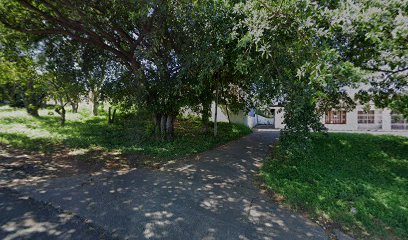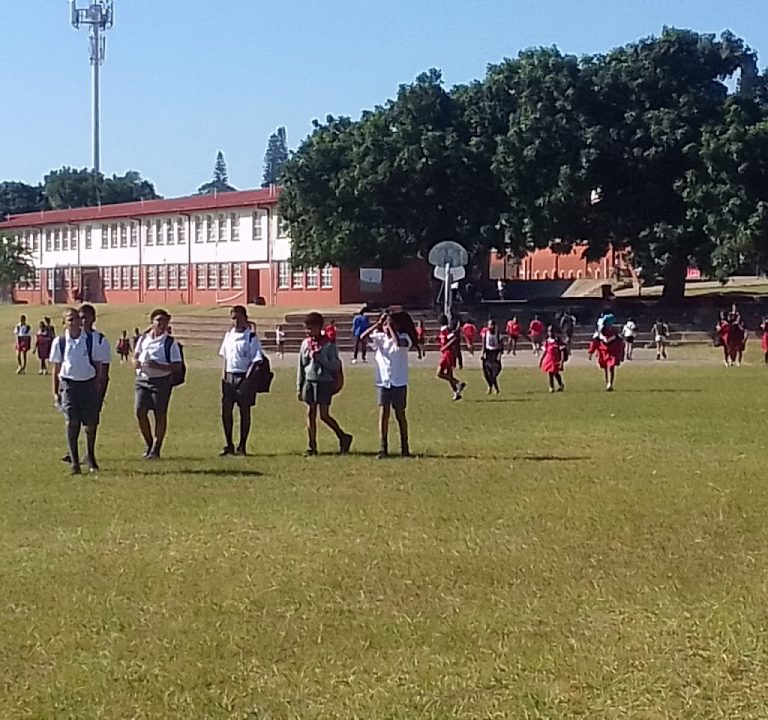
Assegai Primary School is a School establishment in Bluff, Kwa-Zulu Natal, South Africa
Assegai Primary School — Overview of Services and Customer Experience
Assegai Primary School, located in Bluff, Kwa-Zulu Natal, South Africa, provides a structured primary education pathway designed to support learners from early foundation through to the end of the senior phase. The school emphasises a holistic approach to development, aiming not only to build academic capability but also to cultivate personal growth, resilience and a genuine love of learning within a supportive, family-like environment. This observer notes the school’s clear commitment to recognising each pupil as an individual with unique needs and strengths.
Foundation Phase Academics (R to Grade 3) form the initial core of the school’s offering. The emphasis in this phase is on personal attention and nurturing a positive attitude to schooling. The school states that it strives to maintain a low ratio of pupils to staff in order to ensure that every child receives sufficient care, encouragement and engagement. The intent is to lay a solid foundation for academic success and lifelong learning by fostering curiosity, self-belief and a sense of belonging within the learning community.
In the Intermediate and Senior Phases (Grade 4 to Grade 7), the curriculum expands to a fully comprehensive academic programme. The school aligns with the CAPS framework, designed to develop learners across social, emotional, intellectual and physical dimensions. A notable feature in this phase is the inclusion of outings and excursions, which are presented as opportunities to reinforce learning beyond the classroom and to promote personal growth, confidence and social development. The staff are described as enthusiastic and committed, underpinning a collaborative educational experience that seeks to extend learners’ capabilities beyond traditional classroom boundaries.
Underpinning both phases is a Code of Conduct that reflects the school’s adoption of broader educational principles. The document signals a commitment to constitutional rights, specifically the right to a quality education for every learner, and to the establishment of sound moral values and principles. The Code of Conduct emphasises responsible leadership, co-operation among stakeholders and holistic, skills-based programmes as essential components of improving learners’ quality of life. Such a framework supports a learning environment where students are encouraged to behave respectfully, work collaboratively and take responsibility for their own progress.
From a customer experience perspective, the school presents itself as a place where individual attention, structured academics and moral guidance converge. The Foundation Phase’s emphasis on personally attending to each child and valuing them as individuals is positioned as foundational to trust and continuity, while the Intermediate and Senior Phases’ focus on a comprehensive curriculum and experiential learning through outings signals a balanced approach to academics and real-world skill development. The inclusion of a formal Code of Conduct provides clarity around expectations and norms, which can help parents and learners understand the behavioural framework governing daily school life.
Typical activities and areas of focus include:
- Foundation Phase personal attention and nurturing within a family-like school environment.
- Structured CAPS-aligned academics for Grades 4–7, including social, emotional, intellectual and physical development.
- Academic excursions and outings that complement classroom learning.
- Holistic, values-based programming supported by a formal Code of Conduct.
Practical tips for prospective families and learners include considering the school’s emphasis on individual pupil attention in the early years and the continuity offered through the CAPS curriculum in later years. Families may find it helpful to review the Code of Conduct to understand the behavioural expectations and the school’s approach to nurturing responsible learners. Given the emphasis on growth across multiple dimensions, parents might also inquire about available support structures, such as enrichment activities or pastoral care, to complement the core academic programme.
Assegai Primary School serves the Bluff area within Kwa-Zulu Natal and is positioned to support families seeking a school with a community-oriented ethos, a clearly defined progression from foundation to senior studying, and a curriculum designed to foster both academic achievement and personal development. While specific operational details such as daily schedules or visiting hours are not published in the provided content, the school’s described framework suggests a structured environment with a focus on consistent pedagogy and values-led development.
Bluff
Kwa-Zulu Natal
4051
South Africa

Sorry, no records were found. Please adjust your search criteria and try again.
Sorry, unable to load the Maps API.
School services in Bluff, Kwa-Zulu Natal
Within Bluff, Kwa-Zulu Natal, school services encompass a broad range of educational and related provisions designed to support learners from foundation through to senior phases. These services are typically delivered by state, independent, and community-linked institutions that cater to diverse backgrounds and needs. They emphasise a learner-centred approach, aiming to create a safe and structured environment where pupils can develop academically, socially and personally.
Core academic provision usually centres on the standard curriculum framework, with schools offering core subjects such as languages, mathematics, sciences, social sciences and the arts. In practice, this often includes structured timetables, phased progression, and specialised support for learners who may require additional help. Language support is common, especially in sessions that help learners strengthen literacy and numeracy skills, while programmes in Afrikaans, isiZulu or English as a second language may be available depending on the school’s demographics and resources.
Beyond the classroom, many Bluff schools provide a suite of extra-curricular activities. These can range from sports—such as cricket, rugby, football, netball and athletics—to cultural pursuits like music, drama and visual arts. Participation in these activities is typically encouraged as part of a well-rounded education, with some schools offering provincial or regional opportunities through their sporting and arts programmes. After-school clubs and study groups frequently run to support homework completion, revision, and exam preparation, particularly during term times and exam periods.
Guidance and support services form another important aspect of school provision. Guidance counsellors or pastoral care staff commonly assist learners with career planning, subject choices, wellbeing and confidentiality. Schools may also coordinate interventions for learners who require additional academic support, including remedial lessons or learning support programmes. For families, information about progression to higher grades or senior phases is usually provided through formal meetings, school websites or notices posted on noticeboards.
Practical arrangements reflect the coastal climate and transport considerations in Bluff. Many learners rely on school transport schemes or private arrangements to travel between home and campus, particularly where buses are not readily available nearby. Lunch provision varies by school and can include paid tuck-shop services, school meals programmes, or packed lunches prepared by families. Safety and security are commonly emphasised, with schools implementing visitor policies, supervised play areas, and clear signage to guide learners between classrooms, assemblies and common areas.
Parent and community engagement is a key component in Bluff’s school landscape. Open days, parent-teacher meetings and community outreach events help keep families informed about curriculum changes, assessment frameworks, and school priorities. While the exact format may differ from school to school, the general aim remains to foster collaborative relationships that support learners’ progress and well-being.
When choosing a school in Bluff, families can expect a process that typically includes admission criteria, assessment of learner suitability, and alignment with the school’s ethos and resources. Prospective applicants are advised to gather information about academic standards, support structures for learners with additional needs, transport options, and the availability of bursaries or fee concessions where applicable. It is prudent to inquire about school calendars, term dates, and expected commitments for learners, including after-school activities and sports seasons.
- Academic provisions and subject options
- Extra-curricular opportunities and facilities
- Support services for wellbeing and learning
- Transport, meals, and safety considerations
- Parent involvement and communication channels