Atholl Munday Training Centre/College is a Private college establishment in Durban, KwaZulu-Natal, South Africa
Atholl Munday Training Centre/College – Private college in Durban, KwaZulu-Natal
Atholl Munday Training Centre and College of Technology operates as a specialised training and development institution focused on producing highly skilled artisans, technicians and engineers. The organisation emphasises a unique experiential approach, placing all learners with host employers to obtain hands-on training that complements classroom learning. The outcome is designed to prepare graduates for immediate entry into the job market with trade qualifications recognised by the industry, reinforced by the red seal endorsement achieved through the trade test.
The centre positions itself around practical, occupation‑specific programmes across engineering, business and management services. Courses are designed to extend from foundational knowledge through to more advanced skills, supporting learners who aim to build careers in technical disciplines and public sector administration. The institution presents a clear pathway—from foundational learning through to fully trade-tested qualifications—mirroring traditional apprenticeship routes while incorporating structured employer-based experience.
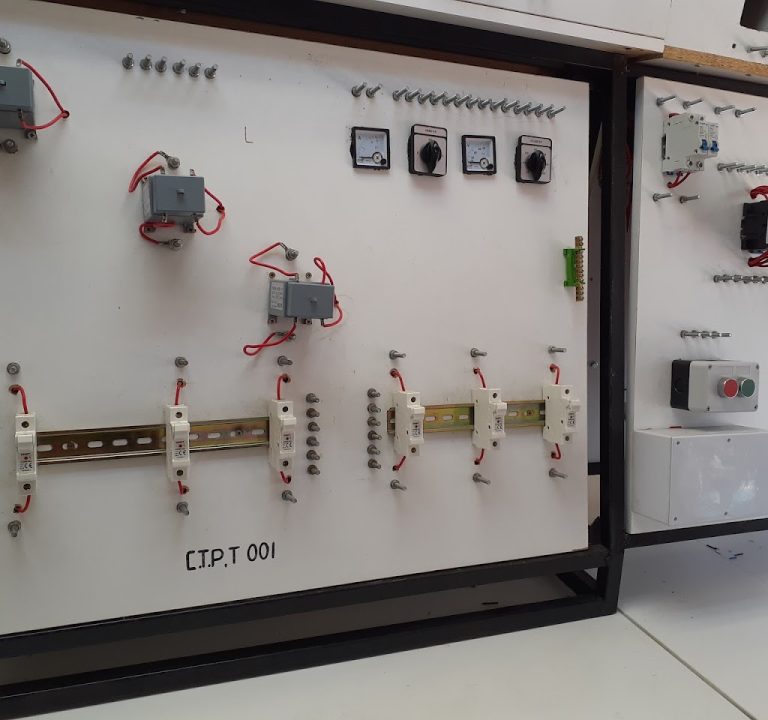
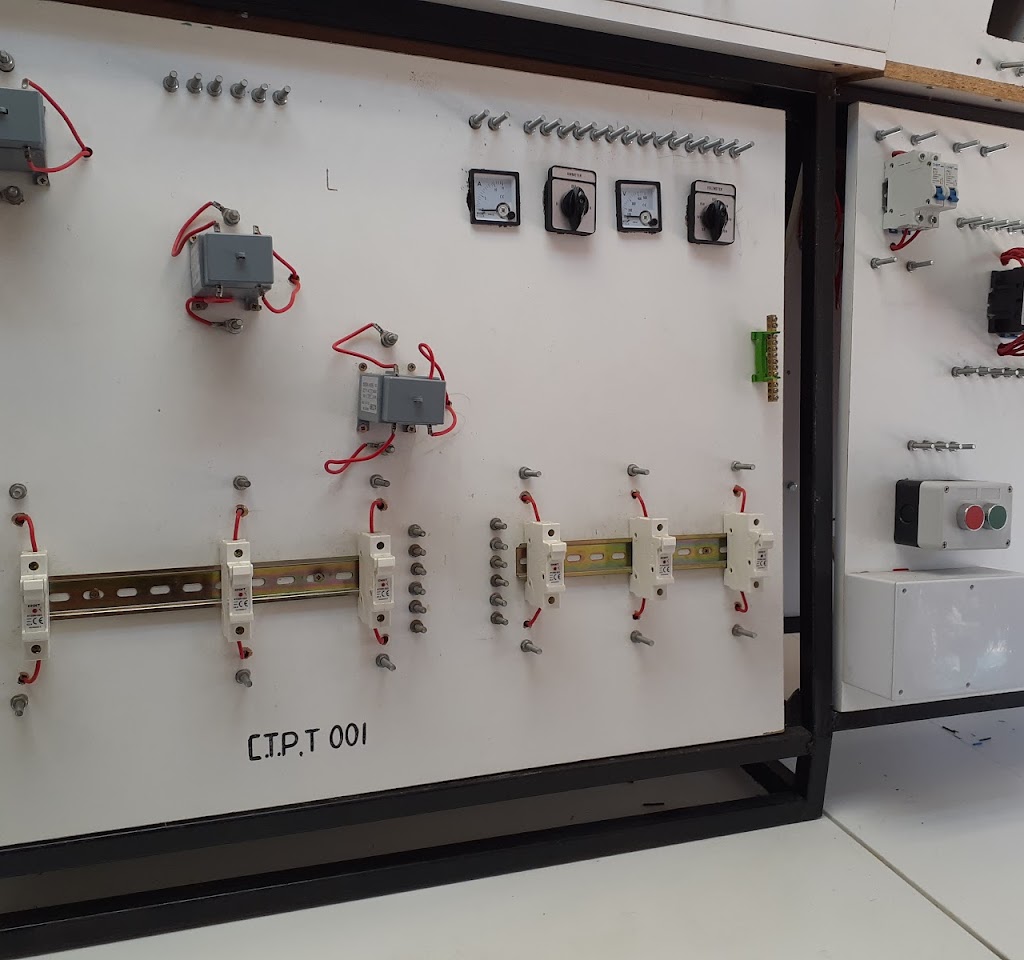
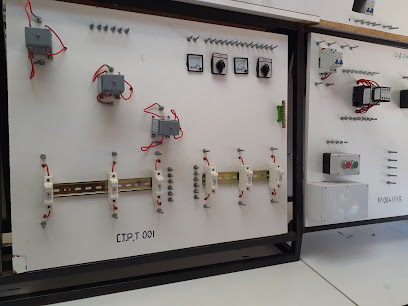
Within the Department of Engineering Services, the college offers a range of engineering disciplines. Electrical Engineering training emphasises roles in research, design, production, installation, maintenance and repair of electronic systems. Mechanical Engineering covers design, manufacture and upkeep of industrial equipment. The Welding stream operates on a model combining time at the college with extended placement at host employers, enabling learners to complete multi‑year apprenticeships with practical experience. Instrumentation focuses on trade-tested outcomes and related career opportunities, including technician and maintenance roles. Plumbing and Civil courses provide a combined on‑site and workplace learning structure, typically spanning a nine‑month college period followed by eighteen months with an employer, culminating in industry‑relevant qualifications.
Recognition of Prior Learning (RPL) is offered as a pathway for individuals to have their existing knowledge formally acknowledged towards a registered qualification. This option is designed to accelerate progression for experienced workers or those with non-traditional routes into engineering trades. The centre also highlights a University of Technology Work‑Integrated Learning (WIL) programme, a twelve‑month experiential course that forms part of a final year towards a Diploma in Engineering, offering a bridge between academic study and industry practice.
On the business and management side, the college delivers programmes designed to develop leadership and financial management competencies relevant to public sector roles. Qualifications include Certificate programmes in Municipal Financial Management and a National Diploma in Public Finance Management and Administration. Foundational Learning Competence (FLC) is promoted as a gateway for students needing improved mathematics or English to access engineering qualifications, ensuring wider accessibility to technical education.
In addition to core engineering and management offerings, the institution features Skills Programmes and Professional Development, including specialised modules such as Wireman’s Licences (Single and Three Phase), which entail testing, inspection and certificate of compliance for domestic installations, and Chemical Plant Operator training. The breadth of courses reflects an emphasis on employability, practical capability and statutory compliance within the South African context.
Typically, the process for engaging with Atholl Munday Training Centre involves selecting an appropriate qualification, enrolling, and undergoing a blend of college-based instruction and experiential learning with host employers. The emphasis on placement with employers, a hallmark of the programme design, supports the development of work-ready competencies and industry exposure that aligns with trade tests and professional standards.
- Main services offered: engineering trades training (Electrical, Mechanical, Instrumentation, Welding, Plumbing & Civil), recognition of prior learning, work‑integrated learning with universities, public finance and municipal management qualifications, and skills development programmes.
- Typical job types (as suggested by the disciplines offered): tradespeople (electricians, welders, instrument technicians, mechanical fitters), engineers in design and production support, maintenance artisans, and municipal/administrative financial management roles.
- How requests work: learners engage with course providers to select programmes, participate in a blended model of theory and practical placement with host employers, and progress through recognised trade tests or formal qualifications.
Practical tips for prospective students include: exploring Recognition of Prior Learning as a means to accelerate progression, verifying entry requirements for engineering streams via the FLC route if mathematics or English are limiting, and considering the WIL programme as a route to a Diploma in Engineering. It is advisable to review the specific timeframes for each course—such as nine to eighteen months of structured study and placement for plumbing and civil streams and similar modular formats for other trades—to plan a coherent study pathway. The centre’s accreditation with relevant SETAs and regulatory bodies is noted as part of its standing in the wider training ecosystem.
Geographically, the centre operates from Durban, KwaZulu-Natal, serving learners across the region who seek practical, employer‑connected pathways into engineering, trades and public sector management. Visitors seeking information on course offerings, admission requirements, or the progression routes for various programmes may consult the institution’s pages detailing each department and qualification family, along with the available short courses and professional development options.
Durban
KwaZulu-Natal
4120
South Africa
Sorry, no records were found. Please adjust your search criteria and try again.
Sorry, unable to load the Maps API.
Private college services in Durban, KwaZulu-Natal
Private colleges in Durban, KwaZulu-Natal provide a range of educational and skill-based offerings intended to complement or supplement traditional public schooling. Typically located within urban or suburban access points, these institutions aim to deliver structured programmes that align with local labour market needs and post-school pathways. The emphasis often lies on practical training, industry-relevant competencies, and flexible study options to accommodate mature learners, working individuals, and those seeking career transitions.
Students can expect a blend of classroom instruction, hands-on practice, and supervised work-integrated learning. Courses frequently cover disciplines such as business administration, information technology, hospitality, creative arts, health sciences, and trade-oriented programmes. Assessment tends to combine continuous coursework with practical evaluations, project work, and examinations conducted at the end of each term or year. In many cases, programmes emphasise employability, with emphasis on up-to-date equipment, real-world scenarios, and skills that reflect local industry demands.
Durban’s private colleges commonly offer a mix of full-time, part-time, and distance-learning options. This flexibility is advantageous for individuals balancing work commitments, family responsibilities, or local apprenticeships. Some institutions may provide weekend classes or evening modules to appeal to working professionals seeking advancement without interruption to their current employment. Certification may be granted upon successful completion, subject to the institution meeting standard accreditation or regulatory requirements set by national or provincial authorities.
Career-oriented services are a notable feature across many Durban private colleges. In addition to academic study, learners can access career guidance, resume workshops, interview preparation, and connections to local employers or internship hosts. While the availability and breadth of these services vary by institution, the overarching goal remains the enhancement of employability and practical readiness for the job market.
Practical considerations for prospective students include campus accessibility, transport links, and the surrounding urban environment. Durban’s climate, traffic patterns, and public transit options can influence the day-to-day experience of attending classes. Prospective students are advised to consider the proximity of the campus to their residence or workplace, potential accommodation needs, and safety considerations within the locale. Language of instruction is typically English, with some programmes offering additional support or translation services as required.
Another important aspect concerns financial arrangements. Private colleges commonly operate on a fee-based model, with tuition charged per programme or module. Organisations often provide information about payment plans, funding options, or bursaries, though details should be confirmed directly with the institution. It is prudent to understand what the stated fees cover, including tuition, examination costs, materials, or technology access, and to inquire about any additional costs that may arise during the course of study.
Quality assurance remains a central consideration for those evaluating private college options in Durban. Prospective learners are encouraged to request information about accreditation status, regulatory compliance, and any external endorsements. While it is possible to encounter a range of provider quality, clear communication regarding programme outcomes, retention rates, and graduate employability can aid in making an informed choice.
Overall, private college services in Durban characteristically emphasise practical skills, flexible learning arrangements, and pathways that support immediate entry into the local job market or further studies. By examining the programme focus, delivery modes, support services, and financial terms, prospective learners can identify options that best fit individual circumstances and career aspirations.