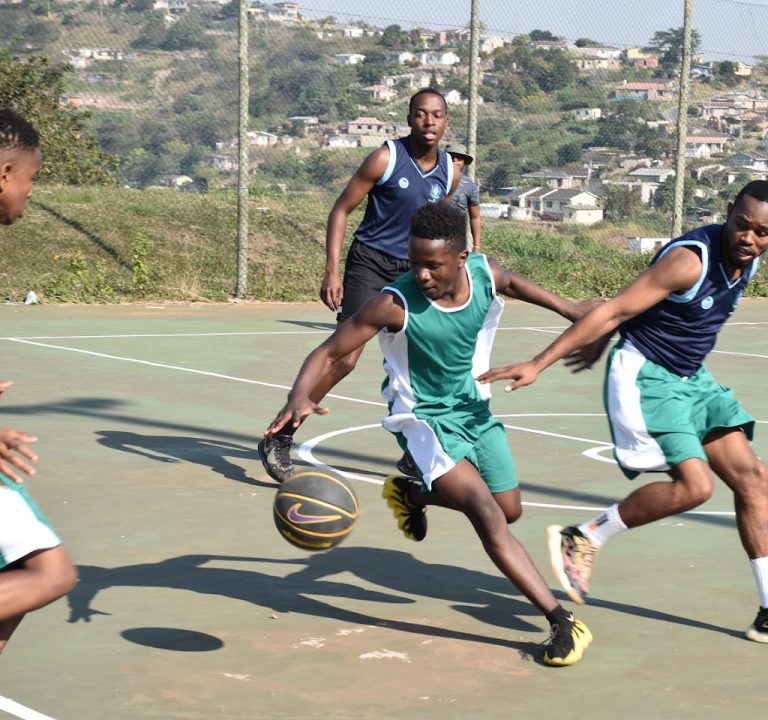
Bahle Bonke Primary School is a Primary school establishment in Pinetown, KwaZulu-Natal, South Africa
Pinetown
KwaZulu-Natal
3609
South Africa
Sorry, no records were found. Please adjust your search criteria and try again.
Sorry, unable to load the Maps API.
Primary school services in Pinetown, KwaZulu-Natal
In Pinetown, KwaZulu-Natal, primary schools offer a range of educational and supportive services designed to nurture foundational literacy, numeracy and social development. Schools typically operate within a structured daily timetable that balances core academic subjects with physical activity, creative pursuits and personal development. The environment emphasises discipline, courtesy and resilience, with routines aimed at helping learners adjust to the school day and build positive study habits.
Curriculum delivery emphasises core subjects such as English, isiZulu or other local languages, mathematics, science and social studies. Instruction often integrates digital resources where available, alongside traditional teaching methods. Many schools adopt a learner-centred approach, encouraging questions, collaboration and problem-solving. Assessment usually combines formal tests with ongoing observation to track progress and identify areas needing additional support. English is commonly the language of instruction, with additional language provision in isiZulu and other languages where feasible.
Beyond the classroom, a variety of services support pupil development and well-being. Extra-curricular activities frequently include sport, arts and music, drama, debate, and science clubs. These offerings aim to broaden horizons, develop teamwork and foster confidence. Some facilities may support specialised activities such as coding clubs, library programmes, or environmental education, depending on the resources of the school and local partnerships.
Practical considerations encompass school transport, meal provision and parental involvement. Many pupils rely on school transport arrangements or may walk to school, with supervised drop-off options available in certain areas. Nutritional programmes or meal provisions are common in South African primary schools, contributing to pupil concentration and energy levels during lessons. Uniforms and dress codes are standard features, helping to establish a sense of identity and equality among learners.
Health and safety services are an important component of school operations. Some schools provide on-site first aid facilities and access to basic health advice. Relationships with local clinics or health services can facilitate immunisations, vision and hearing screening, and general welfare checks. The school environment often includes designated play zones, classrooms with suitable lighting and ventilation, and secure access procedures to ensure learner safety during the school day.
Engagement with families is typically encouraged through regular communications, open days and parent-teacher interactions. The presence of a School Governing Body (SGB) or equivalent governance structure helps guide policy, school improvement plans and community involvement. Parents and guardians may be invited to participate in volunteer activities, fundraising efforts and informational sessions about curriculum changes or school events.
Admission processes usually involve criteria such as age, residence within the school catchment area, and availability of spaces. Schools in Pinetown may require documentation such as proof of residence, birth certificates and immunisation records, alongside any school-specific enrolment forms. Prospective families are advised to consult the individual school's administration for guidance on timelines, required documents and examination or placement assessments, when applicable.
Families selecting a primary school in Pinetown are encouraged to consider practical factors including proximity to home, transport arrangements, the availability of aftercare services, the breadth of extra-curricular offerings, and the school's approach to inclusive education. While each school maintains its own character and resources, the common aim across these institutions is to provide a secure, stimulating setting in which young learners can build essential literacy and numeracy foundations, develop social skills, and grow in confidence as they progress through the foundation years.
- Curriculum delivery and core subject focus
- Extra-curricular activities and enrichment programmes
- Transport, meals, and after-school arrangements
- Health, safety and well-being services
- Parental involvement and governance