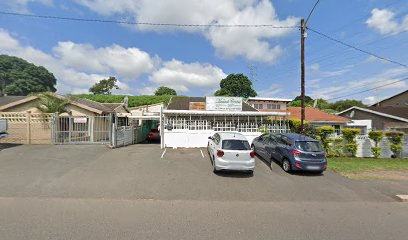
Bayview Muslim Cultural Society Mosque is a Mosque establishment in Chatsworth, KwaZulu-Natal, South Africa
Chatsworth
KwaZulu-Natal
4092
South Africa
Sorry, no records were found. Please adjust your search criteria and try again.
Sorry, unable to load the Maps API.
Mosque services in Chatsworth, KwaZulu-Natal: an overview for the community
In Chatsworth, KwaZulu-Natal, mosques serve as focal points for daily worship, community support, and cultural exchange. The offerings typically reflect the rhythm of Islamic life in South Africa, balancing religious observance with social responsibility. Visitors and residents alike can expect calm, respectful environments where prayer spaces are prioritised and guided by local traditions and interpretations of Islamic practice.
Daily prayers are a cornerstone of mosque life. Five daily prayers are observed with particular emphasis on the pre-dawn and late afternoon sessions. In many mosques, congregational prayers are announced over a call to prayer, with spaces arranged to accommodate men and women respectfully, whether in combined or separate areas. Although exact timings vary with the season, the schedule is usually published in advance to help attendees plan their day. It is common for accompanying facilities to be available for ritual cleansing (wudu) and for those arriving from work or school to prepare for worship in a tranquil setting.
Friday prayers (Jumu’ah) form a central weekly gathering. The service typically features a short sermon (khutbah) delivered in the local language or Arabic, followed by a congregational prayer. In busy periods, mosques may implement visitor management practices to ensure safety and comfort for worshippers, while those newly exploring the community are welcome to observe and participate as appropriate. For many attendees, Friday prayers are as much about community connection as spiritual obligation, with opportunities to meet neighbours and discuss local matters after the service.
Ramadan and other significant periods bring additional programmes. During Ramadan, mosques commonly host extended nightly prayers (taraweeh), iftars to break the fast, and educational sessions for families and children. These offerings provide a structured routine for the holy month, fostering a sense of shared endeavour. Outside Ramadan, mosques may run study circles, language classes, and discussions on topics such as ethics, business, or social welfare, catering to a diverse urban population while preserving traditional values.
Charitable activities are often prominent within the mosque community. Zakat and sadaqah are typically encouraged as a practical expression of faith, with arrangements for donations and assistance to those in need. Some mosques may collaborate with local charitable organisations to support food drives, educational bursaries, or healthcare initiatives. Visitors should expect transparent guidance on charitable giving and how funds are allocated within the community, subject to local customs and governance arrangements.
Women’s and men’s participation is accommodated through dedicated prayer spaces and accessible facilities. When visiting, it is prudent to observe local etiquette, dress modestly, and follow signage or volunteers’ directions. Mosques in Chatsworth often emphasise hospitality and inclusivity, welcoming individuals from different backgrounds to learn about Islamic practices and contribute to respectful dialogue within the community.
Practical considerations for visitors include parking arrangements, accessibility for elderly or disabled worshippers, and quiet areas for contemplation. Some mosques provide childcare facilities, English-language explanations for first-time visitors, and notices about prayer times and events. The atmosphere tends to be orderly and contemplative, with an emphasis on reverence during worship and courtesy in social interactions.
In summary, mosque services in Chatsworth, KwaZulu-Natal, encompass daily prayers, weekly congregations, special Ramadan programmes, educational activities, and charitable initiatives. They offer a supportive environment for spiritual practice and community engagement, while remaining mindful of local customs and the practical needs of a diverse urban audience. Visitors are encouraged to arrive ahead of prayer times, respect seating arrangements and dress norms, and participate with appropriate sensitivity to the established etiquette and shared spaces within the mosque.
- Daily prayers and congregational worship
- Friday Jumu’ah with khutbah
- Ramadan programmes, iftars, and taraweeh prayers
- Educational and community activities
- Charitable giving and assistance programmes
- Facilities for wudu, prayer spaces for men and women, and family-friendly areas