no-image
Birdwood School is a School establishment in Durban, KwaZulu-Natal, South Africa
Birdwood School: Remedial Education and Integrated Therapy Services in Sherwood, Durban
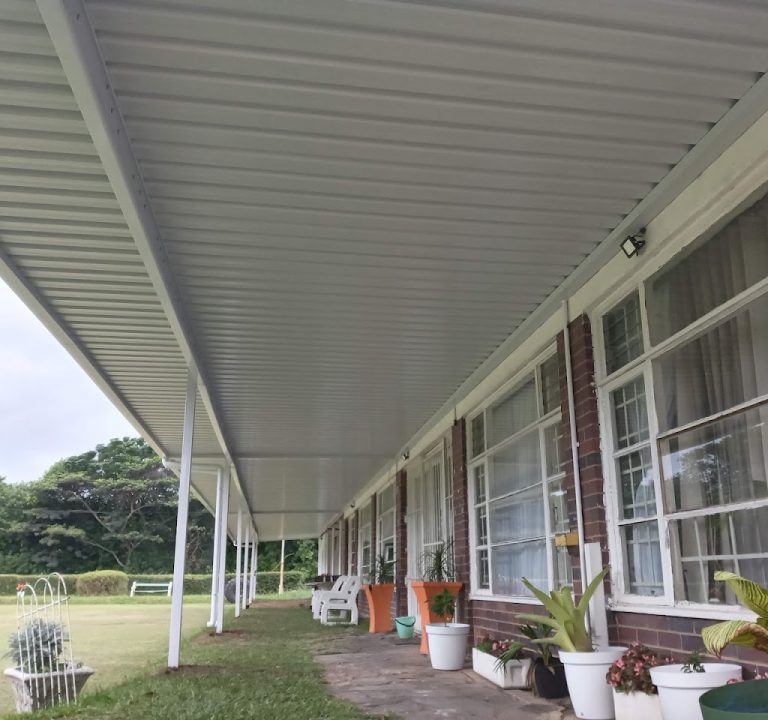
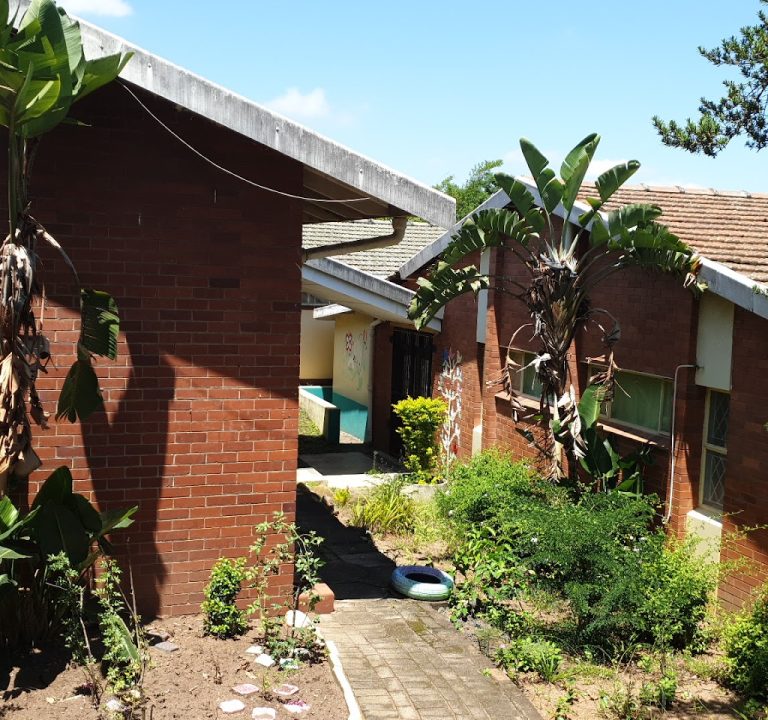
Birdwood School operates as part of the Sherwood Children’s Centre in Durban, offering a specialised remedial programme for children in Grades 000 to 7. The school emphasises a small-class setting designed to support learners with developmental delays and learning difficulties who may struggle in larger mainstream environments. A maximum of 15 children per class, together with the support of a teacher assistant, underpins a nurturing, structured learning environment aligned with CAPS, the South African syllabus used in mainstream schools.
Central to Birdwood’s intake process is a formal observation period. In the Pre Primary section, a two-week observation takes place, while a one-week observation occurs in the Primary School. During this time, experienced educators observe and assess the child in their current grade to determine suitability for Birdwood’s remedial programme. At the conclusion of the observation, a case conference is held with the educator and Birdwood’s Therapeutic Head, followed by feedback provided to parents. Admission decisions are made after careful consideration of cognitive potential, developmental delays, and readiness for the structured programme offered on site.
Birdwood’s admission criteria reflect a focus on cognitive potential within the average range, while acknowledging various developmental profiles. Prospective pupils must be toilet trained, as facilities and staffing constraints limit support for nappies. They must be verbal or have the potential for speech as identified during the observation or by the Centre’s professionals. Children considered for observation should demonstrate the capacity to cope with a structured pre-primary programme; if this is not feasible, alternative schooling options may be discussed.
The school serves children from age 3 years 6 months for consideration, with placement contingent on developmental assessments and the observed capacity to engage with the programme. The centre notes that children older than the typical grade age by more than a year may not be considered for Birdwood placement. Diagnostic categories commonly seen include learning disabilities, high-functioning autism spectrum disorder with minimal support needs, epilepsy, hearing or visual impairments, developmental delays from various causes, sensory processing issues, and certain attention or mood-related conditions. This breadth of potential diagnoses supports a holistic, multidisciplinary approach to education and therapy.
On-site therapeutic services accompany the educational programme. Speech and Language therapy and Occupational therapy are available during school hours, facilitating close collaboration between therapists and educators and reducing the need for after-school travel. It is important to note that therapy fees are charged separately at medical aid rates, rather than being included in standard school fees. In addition to individualised support, Birdwood provides social skills groups from Grade R, contributing to the comprehensive, holistic treatment philosophy of the centre.
Birdwood’s on-site structure aligns with the broader Sherwood Children’s Centre capabilities, which promote a multidisciplinary approach to assessment and therapy in four languages (English, isiZulu, Afrikaans, and Xhosa). The broader centre offers a range of assessment services, psychological evaluations, and parent guidance, which can support a learner’s transition into Birdwood’s remedial framework when appropriate. The combined provision aims to identify barriers to learning early, enable targeted interventions, and support the child’s overall development toward independence and a purposeful life.
Typical communication and administrative steps involve the initial enquiry through Centre contact points, scheduling an observation, and arranging a case conference to review findings and determine placement. Feedback follows the observation period, ensuring parents understand the recommended path forward. The Sherwood Centre’s logistical setup includes a Durban address at 868 King Cetshwayo Highway, Sherwood, 4091, with contact details available for enquiries and appointments.
Practical tips for families considering Birdwood include ensuring timely attendance at the observation phase, preparing for a structured programme by discussing routines and expectations with the child, and engaging with the therapeutic team to align home practise with school-based strategies. Families should also factor in the separate cost of therapy sessions and plan for ongoing transport if after-school services are required. For those seeking a cohesive educational and therapeutic environment, Birdwood offers a compact, supportive setting that integrates remedial schooling with on-site therapy and life-skills development.
Operational hours for the broader assessment and therapy services are typically Monday to Friday from 8:00 to 16:30, with Saturday mornings available in some cases, reflecting the Centre’s capacity to support comprehensive evaluations alongside ongoing therapy. The service area covers Durban and the KwaZulu-Natal region served by the Sherwood premises, with on-site accessibility designed to streamline collaboration between educators, therapists, and families.
Durban
KwaZulu-Natal
4001
South Africa

no-image
Sorry, no records were found. Please adjust your search criteria and try again.
Sorry, unable to load the Maps API.
Overview of School Services in Durban, KwaZulu-Natal
In Durban, KwaZulu-Natal, school services cover a broad spectrum designed to support learners from early childhood through maturity. Agencies and institutions in this category commonly focus on primary and secondary education, with ancillary offerings that address the practical needs of families and communities. The environment typically blends traditional classroom-based instruction with additional programmes intended to enhance academic attainment, personal development, and well-being.
Core services centre on curriculum delivery aligned with national and provincial guidelines. Schools organise timetables that balance core subjects such as languages, mathematics, science, and social studies with specialised areas like arts, physical education, and technology. For many families, the emphasis is on providing stable, age-appropriate environments where learners can develop literacy, numeracy, critical thinking, and collaborative skills. In Durban, the cultural and linguistic diversity of the region can influence programming, with language support and inclusive education often integrated into the daily routine of schools.
Additional offerings frequently include after-school programmes that provide supervision, homework support, and enrichment activities. These may extend into holiday periods and aim to assist working parents while promoting safe, structured engagement for learners. Transport arrangements are another practical consideration in Durban, where urban and peri-urban routes are commonly organised through school districts or approved providers. While particular transport features vary, reliable planning and safety practices are integral to most school service providers in the area.
Most Durban schools provide support services designed to accommodate a range of learner needs. This can include guidance and counselling to address personal development, career exploration, and transition between educational phases. Special educational needs support, where applicable, may involve targeted assistance, assistive technologies, and collaborative planning with parents and external professionals. Language support is often a component as well, reflecting the multilingual landscape of KwaZulu-Natal. Nutrition programmes and health services may be present in certain schools to promote well-being and attendance.
Extracurricular activities form a significant part of the school experience in Durban. Clubs and teams related to sport, arts, science, and cultural studies contribute to broader skill development and community engagement. Participation in these activities often reinforces teamwork, leadership, and resilience outside the classroom while offering opportunities to demonstrate achievement in local or regional contexts.
Prospective families can expect a practical approach to admissions and enrolment. Procedures typically involve submission of application forms, academic records, and, where applicable, assessments or interviews to gauge readiness and fit. Schools generally publish calendars that outline term dates, exam periods, and annual events. Communication with families tends to be ongoing, with notices about progress, attendance, and upcoming activities shared through established channels chosen by the institution.
When planning a decision about Durban school services, practical considerations come to the forefront. Proximity to home or work, transportation options, affordability, and the alignment of school ethos with a pupil’s needs are common factors. The local education landscape may include a mix of public and independent institutions, each with its own governance, fee structures, and policy frameworks. Visitors often find it helpful to review school prospectuses, tour facilities when possible, and consult with school administrators or district officials to understand the specific provisions and expectations that apply to a given institution.
In summary, school services in Durban, KwaZulu-Natal, balance comprehensive curriculum delivery with supportive programmes designed to aid learning, personal development, and family logistics. The focus remains on providing stable, inclusive environments where learners can progress academically while developing essential life skills through structured activities and community involvement.