no-image
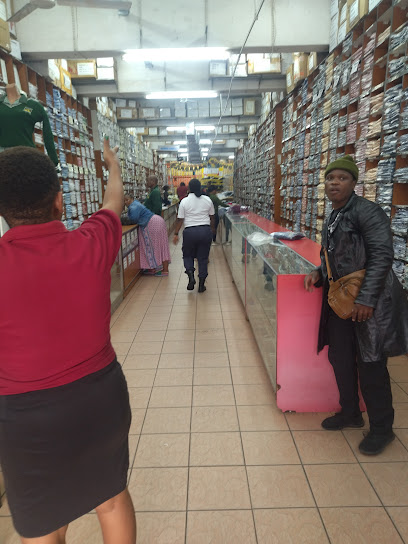
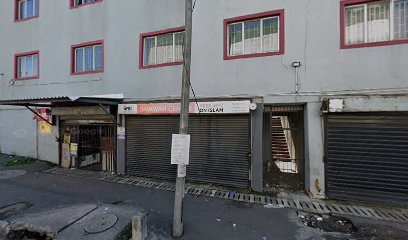
Blanket & Linen Wholesalers is a Fabric store establishment in Durban, KwaZulu-Natal, South Africa
Durban
KwaZulu-Natal
4052
South Africa

no-image
Sorry, no records were found. Please adjust your search criteria and try again.
Sorry, unable to load the Maps API.
Fabric store services in Durban, KwaZulu-Natal
Durban’s fabric stores offer a practical mix of material options, tailored assistance, and local know‑how for customers pursuing sewing, tailoring, upholstery, and craft projects. Stores in KwaZulu-Natal typically stock a wide range of fabrics suitable for the region’s climate, including cottons, linens, blends, and lightweight synthetics, alongside a selection of heavier fabrics for upholstery and home décor. The assortment often reflects both everyday needs and more specialised requests, from school uniforms to traditional attire and contemporary fashion.
Customers can expect a tangible, tactile shopping experience, with fabric by the metre or by the length, samples available to inspect colour and texture, and clear guidance on suitability for specific uses. Staff are generally accustomed to discussing drape, weight, and care requirements, assisting shoppers to choose fabrics that perform well in Durban’s humid subtropical climate. Practical considerations include fabric colourfastness, fade resistance for sunny spaces, and how fabrics respond to washing and ironing, which are particularly relevant for frequent laundering in warm, humid conditions.
Many Durban fabric stores provide a range of sewing notions and accessories to complement fabric purchases. This typically includes threads in various weights, needles, pins, chalk or fabric markers, zips, and fastenings. A notable feature in some outlets is the presence of pattern books or guidance on selecting patterns that suit different body types and garment styles. While not all stores offer full tailoring or alterations on-site, several operate with nearby services or in-house technicians who can perform trimming, hemming, or basic alterations to finished garments, subject to local workshop capacity.
For home décor projects, stores commonly supply upholstery materials, curtain fabrics, and trims such as ribbons, tassels, and decorative braid. Customer demand for durably woven fabrics, resistant to sun exposure and humidity, fosters a local emphasis on robust options suitable for lounges, bedrooms, and outdoor seating areas. In addition, some outlets stock African prints and culturally significant textiles, which are popular for both traditional attire and contemporary fashion statements. Guidance on compatible trims and linings for specific garments is often available, helping customers achieve desired finishes and improved garment integrity.
Durban fabric stores frequently encourage practical planning before purchase. Tip‑friendly practices include measuring fabric width, calculating yardage or metre requirements, and considering matching panels for pattern continuity. Many stores curate a rotating stock to reflect seasonal trends and local demand, while retaining staple lines that ensure accessibility for students, hobbyists, and small businesses. Gift options, fabric cutting services, and sample swatches are common conveniences, enabling customers to compare textures and colours before committing to larger purchases.
Visitors should anticipate a customer‑centred shopping ethos, with staff able to discuss care instructions, such as washing, drying, and ironing practices appropriate to the fabric type. In coastal areas, some fabrics may be specially chosen to endure humidity and heat, with guidance on storage to prevent mould or mildew. For those undertaking larger projects, consultation services may be available to plan material lists, estimate quantities, and outline a realistic project timeline, factoring in shop operating hours and the typical time required for cutting and processing orders.
Overall, fabric stores in Durban, KwaZulu‑Natal, prioritise practical selection, accessible advice, and a supportive environment for sewists and designers. Whether sourcing everyday textiles for schoolwear, crafting robust home furnishings, or exploring distinctive African prints, customers can expect a mix of tangible inventory, practical know‑how, and services designed to streamline the sewing journey from selection to completion.