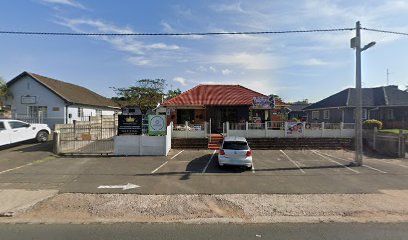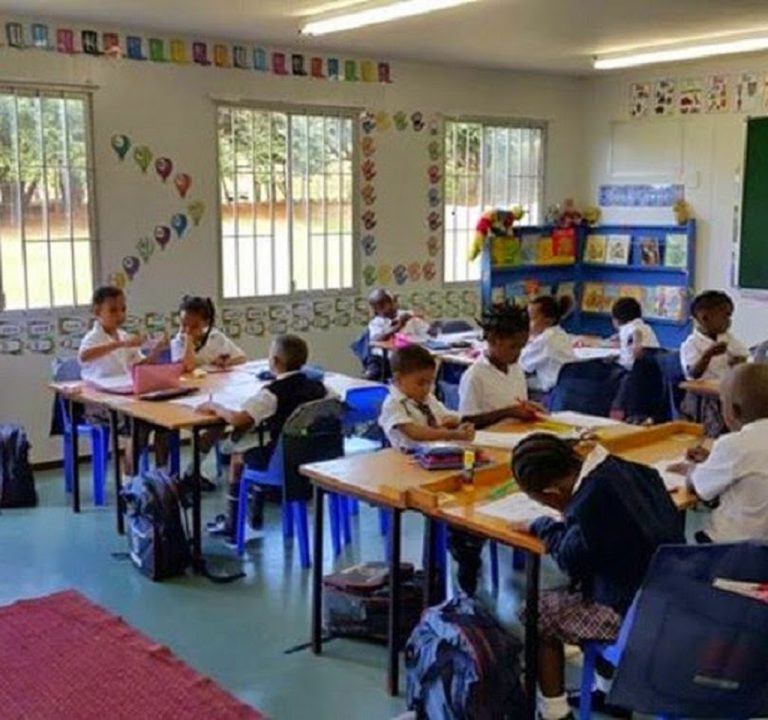
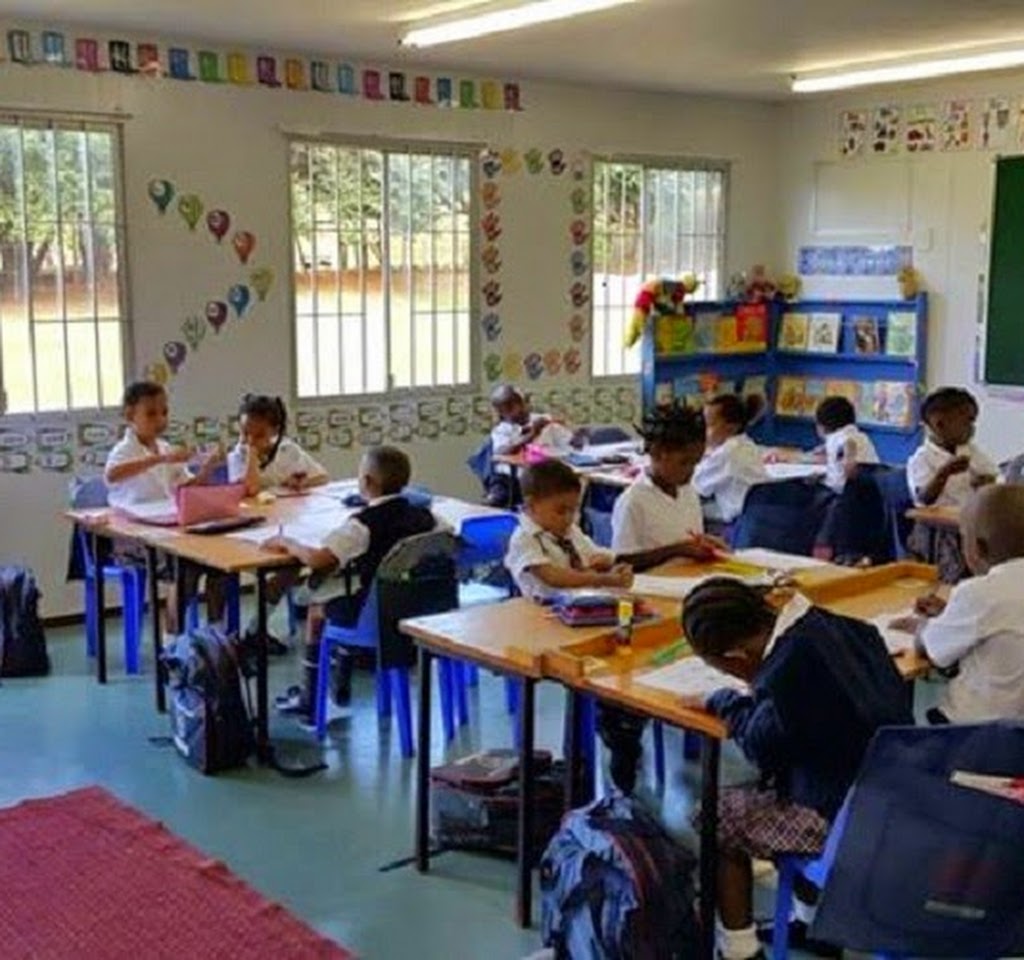
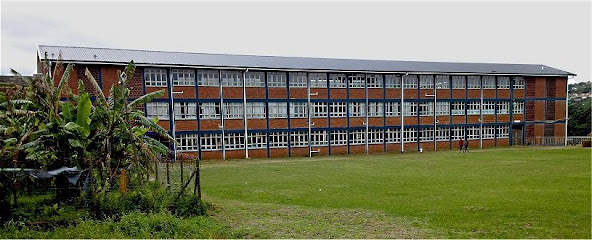
Bluff Christian Academy is a Combined primary and secondary school establishment in Bluff, Kwa-Zulu Natal, South Africa
Bluff Christian Academy — Overview of services and customer experience
Bluff Christian Academy (BCA) operates as a church-aligned, non-profit educational establishment serving learners from reception through to Grade 12. Located at 100 Hollesley Road, Bluff, Durban, the school emphasises a Christian worldview across its curriculum and campus life. The institution describes its mission as educating and equipping students for life by combining core academic programmes with Biblically-based teaching and values-driven character development. The school is registered with ISASA (Independent Schools Association of Southern Africa) and adheres to the South African CAPS framework, preparing Grade 12 pupils for the National Senior Certificate (NSC) examinations.
Main services offered by Bluff Christian Academy include a structured primary and secondary education programme delivered in small classes. Class sizes are noted to be around 24 learners, with a maximum of 30 per class, which supports more personalised attention and classroom management. The academic programme follows CAPS guidelines, ensuring alignment with national standards while integrating a Christian worldview in lessons and school life. NSC examinations mark the culmination of Grade 12, with students entering the matric year prepared to demonstrate knowledge and competencies across a broad subject mix.
In addition to core academics, BCA emphasizes spiritual formation and character development. The school’s Vision and Statement of Faith articulate an aim to educate learners within a Biblical framework and to train up students in ways that align with Christian faith and values. Scripture memory passages and references to God and Jesus Christ are described as integral to lessons, informing both classroom pedagogy and broader school culture. This faith-based approach is framed as complementary to family and church involvement in a learner’s education.
Admissions and enrolment practices reflect the school’s inclusive ethos and religious criteria. The admissions policy states non-discrimination on grounds of race, colour, national or ethnic origin in access to programmes and activities, subject to parental alignment with the school’s fundamental Christian faith as outlined in the Statement of Faith. Applicants are expected to undergo immunisations and to be free of contagious diseases. Parental participation is encouraged through regular meetings, subject to the school’s governance and programme requirements. The Admissions section provides practical materials for prospective families, including downloadable school fee schedules, a school questionnaire, and the application form for future intakes.
Customer experience at Bluff Christian Academy is shaped by a commitment to engagement with parents and guardians. The site highlights interaction with parents via termly meetings and ongoing communication channels. Contact information is readily available, including two telephone numbers and an email address for the Admissions Secretary, indicating a structured pathway for inquiries and administrative support. The school also maintains an online presence through social media channels and a dedicated pages for events, which suggests efforts to keep families informed about school life, trips, sports, and cultural activities.
Experiences shared by visitors and parents in the public domain reflect a ring-fenced, supportive community. Testimonials and anecdotes emphasise educator dedication, a sense of belonging, and the positive impact of the school’s environment on pupil attitude and behaviour. Reports of prompt feedback, engaging lessons, and an emphasis on faith-based guidance appear to underpin perceived value for families seeking a Christian-led education with stable pastoral support. The reviews indicate a perception of well-run governance, formal discipline, and a presentable school culture, all integral to the overall customer experience at BCA.
Practical tips for prospective families and guardians:
- Check class availability early; BCA notes limited space per class, so contact the Admissions Secretary to understand current spaces and intake timelines.
- Review the admissions documents, including the fee schedule and application form, to understand tuition expectations and any related requirements.
- Prepare immunisation records and be ready to participate in required parental meetings each term as part of the enrolment process.
- Visit the physical campus by using the listed address and timing; while specific hours are not stated, contacting the Admissions team in advance is advised to arrange a suitable appointment.
- Familiarise with the school’s Statement of Faith and its approach to Biblical-based education, to ensure alignment with family beliefs and expectations for spiritual formation.
- Keep informed about school events and trips through the site’s events page and social media links for a sense of community life beyond academics.
Overall, Bluff Christian Academy presents itself as a small-class, faith-based independent school offering CAPS-aligned instruction, a 100% matric pass-rate figure cited for recent years, and a community-centric approach intended to support both educational attainment and spiritual development in the Bluff area and surrounding communities.
Bluff
Kwa-Zulu Natal
4052
South Africa
Sorry, no records were found. Please adjust your search criteria and try again.
Sorry, unable to load the Maps API.
Overview of Combined Primary and Secondary School Services in Bluff, Kwa-Zulu Natal
In Bluff, Kwa-Zulu Natal, combined primary and secondary schools provide a seamless educational journey for learners from early childhood through late adolescence. These institutions typically operate as single campuses that accommodate a broad range of grade levels, often spanning from Grade R (Reception) to Grade 12. The integrated structure can foster continuity in pedagogy, culture, and student support, while allowing families to navigate one school community for many years.
Common offerings focus on delivering a comprehensive curriculum aligned with national and provincial standards. A blended programme usually includes core subjects such as languages, mathematics, sciences, social sciences, and the arts, with additional emphasis on life orientation, physical education, and technological literacy. In practice, classrooms are organised to support progression across age groups, with more advanced subjects introduced in the later years of secondary schooling. Schools frequently emphasise literacy and numeracy foundations in the early years, followed by specialised subjects as learners approach senior phase study.
Language provision in Bluff often reflects local demand, with lessons conducted in English to support broad higher-education and employment opportunities, alongside isiZulu or other local languages as part of the curriculum. Daily routines typically begin with assemblies or roll calls, followed by a structured timetable that includes core instructional periods, practical sessions, and study or remedial time. Many combined schools also offer enrichment through arts, music, drama, and sport, recognising the role of extra-curricular activities in holistic development.
Practical considerations for families include school hours, transport, and affordability. In this region, school days commonly start in the morning and run until mid-afternoon, with possible after-school care or supervised study to accommodate working parents. Transport options may be provided by the school or arranged through local providers, with safety and punctuality being important aspects of daily routines. Fees, where applicable, vary according to the school’s profile, facilities, and the breadth of programmes offered; some institutions provide subsidised or means-tested assistance, subject to eligibility and policy.
Facilities in Bluff blended campuses generally support a diverse learning environment. Classrooms are designed for collaborative work and independent study, often accompanied by science laboratories, computer rooms, libraries, and art studios. Sports fields, indoor halls, and fitness facilities enable competitive and recreational activities throughout the year. When facilities permit, schools invest in technology-enabled learning resources, including basic computer access and digital learning aids, while maintaining a strong emphasis on practical, hands-on learning in science, technology, engineering, and mathematics (STEM).
Student support services are a key feature of successful combined schools. Guidance centres and counselling services assist learners with academic planning, career exploration, and personal development. Special educational needs provision is typically addressed through inclusive practices, with adjustments and additional support where appropriate, aligned with national policies. Attendance, discipline, and safety protocols are administered through established school governance structures, seeking to create a secure learning environment for all pupils.
In practice, the manner in which combined primary and secondary schools operate in Bluff requires careful coordination between curriculum delivery, progression tracking, and school-wide events. Principals and senior leaders oversee a phased progression from foundational learning in the early years to more complex study in the senior phase, ensuring continuity whilst allowing for individual growth. Parents and guardians can expect regular communications about academic achievement, progress reports, and forthcoming activities, along with clear information about admissions, scholarships, and community partnerships.
Overall, Bluff’s combined schools aim to deliver a stable and supportive educational pathway that equips learners with essential knowledge, practical skills, and the confidence to pursue further studies or enter the workforce. The emphasis remains on balanced development, inclusivity, and preparing students to engage constructively within the Kwa-Zulu Natal region and beyond.