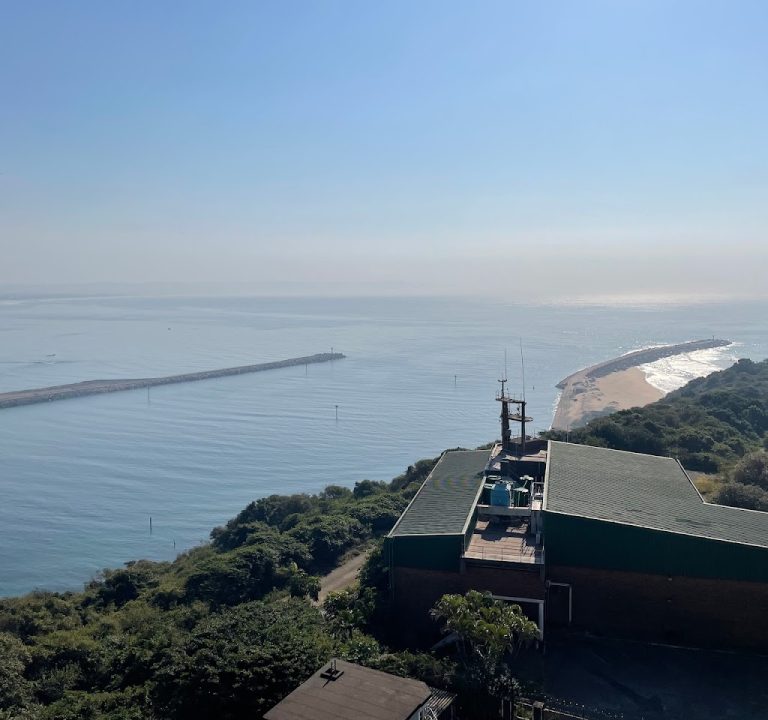
BLUFF RATEPAYERS & RESIDENTS ASSOCIATION is a Community center establishment in Bluff, Kwa-Zulu Natal, South Africa
BRRA: Bluff Ratepayers and Residents Association — Community hub and advocacy in Bluff, Kwa-Zulu Natal
The Bluff Ratepayers and Residents Association (BRRA) functions as a community hub dedicated to empowering residents through responsible stewardship and collaborative engagement. Positioned as a central voice for Bluff’s neighbourhood, the organisation emphasises inclusive participation and the pursuit of practical improvements that affect daily life in the area. The overarching aim is to foster a vibrant, sustainable community where residents’ contributions and concerns are recognised and acted upon.
Core objectives are reflected in the association’s proactive stance on local needs and service delivery. BRRA describes its mission as advocating for better services, driving collective action, and creating opportunities for residents to engage with issues such as safety, water supply, road maintenance, and related infrastructure. The emphasis is not merely on discussion; it centres on translating community input into tangible outcomes that shape the quality of life for Bluff residents.
As a vehicle for community cohesion, BRRA coordinates and supports a range of activities designed to bring residents together. These include organising community events, educational workshops, and clean-up campaigns. The organisation views events as a means to build solidarity, share information, and mobilise residents around shared priorities. While the site presents these efforts in broad terms, the underlying purpose is to cultivate a collaborative spirit and collective responsibility within the Bluff neighbourhood.
The BRRA platform also acts as a conduit for information and citizen action. It gathers and shares resources relevant to local governance, planning, and services through its website’s various sections. For example, the Resources area aggregates documentation on municipal policies, ratepayer forms, environmental planning, and planning considerations that can be of practical use to residents navigating local bureaucracy. There is a clear intention to streamline access to information so that community members can make informed decisions and participate effectively in governance processes.
Requests for community input and action are channelled through accessible mechanisms highlighted on the site. A prominent feature is the call for residents to participate in the Bluff Local Municipality petition, reflecting BRRA’s role in advocating for greater local control over resources and service delivery. Beyond petitions, BRRA maintains channels such as notices, social diary updates, and related communications to keep the community informed and engaged. These mechanisms are designed to help residents voice concerns, stay informed about meetings and events, and contribute to ongoing dialogue about Bluff’s development.
BRRA’s site also functions as a repository of governance-related documents and administrative records. The Documents section includes the BRRA Constitution, registration information, annual financial statements, bank details, and community correspondence. This transparency supports residents in understanding the organisation’s structure, financial stewardship, and accountability practices, thereby reinforcing trust within the community it serves.
In terms of the customer experience, BRRA presents itself as a practical, community-run framework rather than a traditional service provider. The emphasis is on participation, information-sharing, and advocacy. The resources and notices pages provide practical materials and timely updates that help residents engage with the issues most affecting Bluff, while the events and workshops offer opportunities for hands-on involvement and learning.
Practical tips for potential participants include reviewing the BRRA notices and social diary to stay informed about upcoming meetings and campaigns, examining the Resources section for up-to-date reference materials, and considering involvement in petitions or community events to contribute to local improvements. Access to bank details and financial information is provided for those considering donations or verifying governance finance, reinforcing the organisation’s commitment to transparency.
Geographically, BRRA serves Bluff and its surrounding neighbourhood in KwaZulu-Natal, with a focus on empowering residents to influence local outcomes and engage constructively with municipal and community processes. While the site does not list fixed business hours, the emphasis on ongoing community engagement through petitions, events, and regular communications suggests a continuous, collaborative operating pattern aligned with residents’ needs and the town’s development cycle. The BRRA’s content implies a central role in connecting Bluff residents with resources, governance information, and a platform for civil participation within the broader KwaZulu-Natal context.
Bluff
Kwa-Zulu Natal
4052
South Africa
Sorry, no records were found. Please adjust your search criteria and try again.
Sorry, unable to load the Maps API.
Community centre services in Bluff, Kwa-Zulu Natal
Community centres in Bluff, KwaZulu-Natal, function as accessible hubs for social connection, learning, and local support. They are typically operated to serve residents across diverse age groups and cultural backgrounds, providing a mix of practical, educational, and recreational activities designed to strengthen neighbourhood ties. The following overview outlines the kinds of services commonly found and what patrons can reasonably expect when engaging with these facilities.
Many centres offer flexible spaces that can be booked for meetings, workshops, or community events. This often includes classrooms for short courses, small conference rooms, and open areas suitable for exhibitions or social gatherings. For families and children, after‑school programmes and supervised activities are frequently available, especially during school terms. Such provisions aim to support working parents and provide constructive environments for youngsters outside school hours.
Adult education and personal development are key components in Bluff community centres. Courses may cover basic literacy and numeracy, computer skills, and practical training in areas such as budgeting, crafts, or English language support. While exact offerings vary by venue, these programmes are usually designed to be affordable and open to residents with varying levels of prior experience.
Health and well‑being services typically include health talks, outreach clinics, and information sessions focused on local health priorities. Community centres often cooperate with local clinics or non‑profit organisations to host vaccination drives, screening events, and wellness workshops. Where direct clinical services are limited, facilitators may provide information, referrals, and guidance on accessing local health resources.
Seniors and youth programmes are common, recognising the different needs of these cohorts. Senior clubs can provide gentle exercise classes, social activities, and assistance with transport coordination to appointments or events. Youth activities frequently emphasise mentorship, sports, music, drama, and leadership development, helping to foster positive peer engagement within Bluff’s coastal community.
Cultural and recreational services contribute to the social fabric of Bluff. Libraries or borrowing services, reading groups, arts and crafts classes, and local performances may feature on weekly schedules. Sport and outdoor activities are often available through partner arrangements, with access to facilities such as multi‑purpose courts or open spaces suitable for community sport days.
A practical approach governs how services operate. Centres generally publish timetables and display notice boards with forthcoming events and booking procedures. User fees are usually modest and aimed at sustaining programmes, with concessions or subsidies sometimes available for learners, seniors, or low‑income residents. Booking in advance is commonly encouraged for popular workshops or room hire, though some activities may be drop‑in and first‑come, first‑served.
Access and safety considerations are important in Bluff. Centre locations are chosen to balance convenience with accessibility, taking into account public transport routes and parking. Steps may include basic accessibility features and clear signage, while staff or volunteers typically oversee safety during activities and ensure that a welcoming, orderly environment prevails.
For visitors exploring Bluff’s community offerings, it is useful to check local notice boards, municipal community pages, or local newsletters for current schedules. While categories and formats can vary between centres, the overarching aim remains the same: to provide inclusive, community‑facing services that support learning, health, social connection, and local engagement for residents across Bluff and surrounding areas.