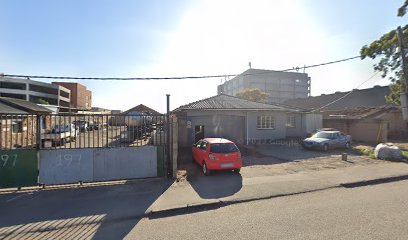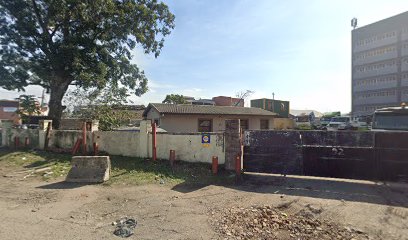
Cart Me Logistics is a Transportation service establishment in Durban, KwaZulu-Natal, South Africa
Durban
KwaZulu-Natal
4001
South Africa
Sorry, no records were found. Please adjust your search criteria and try again.
Sorry, unable to load the Maps API.
Overview of Transportation Services in Durban, KwaZulu-Natal
Durban, a major port city on the eastern coast of South Africa, offers a broad spectrum of transportation services designed to support everyday travel, business logistics, and tourism. The mix includes passenger transport, freight movement, and specialised municipal services that respond to the city’s unique climate, topography, and growth pressures. Customers can expect a combination of public, private, and corporate arrangements that aim to balance reliability, affordability, and access across urban and peri-urban areas.
In Durban, transportation services for people typically cover several core categories. Public urban transit aims to connect residential neighbourhoods with central business districts, hospitals, educational institutions, and commercial hubs. This often includes scheduled bus services, minibus taxis operating on fixed routes, and rail connections that link outlying towns with central Durban and surrounding towns such as Pinetown, Verulam, and Umlazi. For longer journeys, intercity coaches and regional rail services provide connections to the broader KwaZulu-Natal province and beyond. Individuals relying on these services value predictable timetables, reasonable fare structures, and clear information about stops and transfers, though actual service levels can fluctuate with traffic, weather, and peak demand.
Freight and logistics form another important pillar. Durban’s port and industrial corridors support the movement of goods domestically and for export. Transportation of cargo often involves a combination of road haulage, rail freight, and, in some cases, maritime handling. Businesses may engage third‑party logistics providers to manage warehousing, distribution, and last‑mile delivery within Durban and the greater KwaZulu-Natal region. Practical considerations include compliance with weight and dimension limits, secure loading practices, and adherence to delivery windows that align with recipient operations and customs requirements when relevant.
Specialist and niche transportation services cater to medical appointments, corporate commuting, hospitality, and tourism. Vehicles with accessibility features may be available to assist passengers with mobility needs. Tour operators and shuttle services often provide door-to-door options for visitors seeking to explore Durban’s coastal landmarks, nature reserves, and cultural sites such as uShaka Marine World, the Golden Mile, and the Valley of a Thousand Hills. In these instances, safety, driver professionalism, and local knowledge are commonly valued attributes.
Practical considerations for customers engaging transportation services in Durban include road conditions, traffic patterns, and weather-related factors. Durban experiences coastal humidity and occasional heavy rainfall, which can influence travel times and vehicle performance. Planning for peak periods, particularly during school terms, public holidays, and event crowds, helps mitigate delays. It is also prudent to assess the accessibility of pick-up and drop-off points, parking availability, and the reliability of communications regarding estimated arrival times or delays.
For corporate travellers and businesses, cost management and service level agreements are frequently important. Organisations may establish preferred providers, negotiate bulk rates, and coordinate schedules for staff transport or client visits. Environmental and social governance considerations are increasingly influential, with attention to fuel efficiency, vehicle maintenance, and the promotion of safe driving practices. In Durban, transport operators commonly prioritise clear driver identification, vehicle maintenance records, and adherence to local traffic regulations to minimise risk.
A typical customer journey involves locating a service that matches travel needs, confirming a price or fare range, and receiving a schedule or estimated arrival time. On the day of travel, punctual collection and clear communication about any changes are valued. After the journey, feedback mechanisms and quality monitoring practices help sustain service standards and address any concerns. In summary, transportation services in Durban operate across a range of modes designed to support daily life, economic activity, and tourism while navigating urban complexity and regional connections in KwaZulu-Natal.