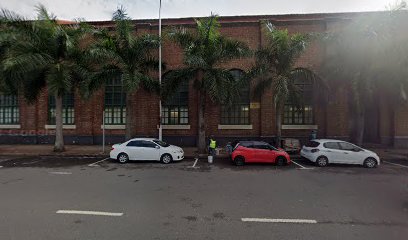
Cash Crusaders The Workshop is a Second hand store establishment in Durban, KwaZulu-Natal, South Africa
Cash Crusaders The Workshop, Durban – a Second-hand Store Experience in KwaZulu-Natal
Cash Crusaders The Workshop operates within the Durban region of KwaZulu-Natal as a store that focuses on buying, selling and lending against pre-owned items, alongside offering new goods. The shop presents itself as a practical, walk-in venue for customers seeking quick access to cash by trading in valuables or purchasing affordable electronics and everyday items. The emphasis is on convenience, transparency and rapid turnarounds, with a clear framework for how deals are typically conducted.
Core services described for this location include the following: buying second-hand products from customers, selling pre-owned and some new items, and offering lending against valuables (loans) as part of the Cash Crusaders model. The store highlights an option for customers to negotiate via WhatsApp, enabling a direct line to a buyer or staff member for quick feedback, quotes and arrangements. This aligns with a customer experience that prioritises speed and flexibility, particularly for those seeking immediate cash offers or straightforward purchasing paths.
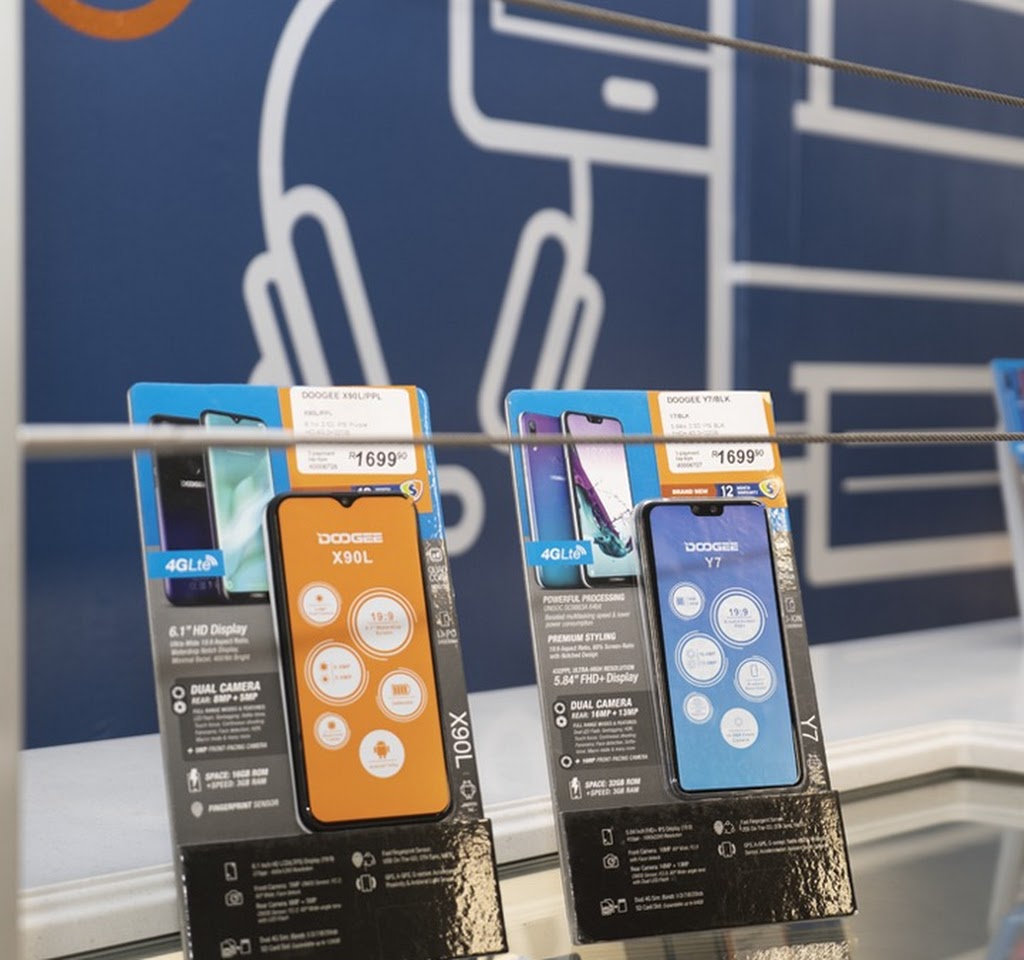
The store categorises its offerings to cover various technology and household categories. Pre-owned goods feature prominently, with a selection that can include mobile phones and related accessories, alongside other electronics and commonly traded items. In addition, there is a range of new goods available, including items with warranties, presented as a parallel option to help buyers balance price against peace of mind. The shopping experience is supported by online discovery and in-store visits, with the ability to view online stock before or during a visit.
When it comes to the purchasing process, customers typically arrive with items for valuation or choose from listed stock in-store or online. Sales and loan offers usually involve an immediate, no-obligation quote, after which the customer may proceed to complete the deal and receive cash on the spot or collection of the purchased item. For loans, there is usually a framework allowing for flexible terms and immediate payout, with the option to extend loan coverage as appropriate. The repair or after-sales support structure referenced in related materials indicates a dedicated contact channel for technical assistance, particularly for items purchased from Cash Crusaders that fall outside the current branding in some locations; this reinforces the importance of keeping original purchase receipts for eligible support scenarios.
Typical job types or product areas highlighted within the Second-hand category include cellular devices, gaming and home entertainment electronics, computers and peripherals, small appliances, and other consumer electronics. The store’s online navigation suggests emphasis on rugged phones and other durable electronics, reflecting popular items within the pre-owned sector. These categories help customers anticipate the kinds of items they can source or trade for in Durban’s workshop environment.
Operational notes and practical tips for customers include the following considerations:
- Bring a valid form of identification and any proof of purchase for items already owned, which can assist with quicker verification and valuation; this is especially useful when negotiating loans or warranties.
- Consider using the WhatsApp option to initiate conversations with a store buyer for a preliminary quote before visiting in person; this can save time and streamline the process.
- Ask about warranties on pre-owned items and the terms of any new goods, particularly for electronics, to understand coverage and return options.
- Test items where possible during a store visit and inspect for visible wear, functionality, and accessories to avoid surprises at checkout or loan settlement.
- Check the nearest store location or service area to ensure straightforward collection of cash payouts or purchases, especially in the Durban catchment area.
Hours and accessibility information specific to Cash Crusaders The Workshop are not extensively detailed in the available content. However, the broader Cash Crusaders network typically operates during standard business hours with in-store support available on weekdays. Prospective visitors in Durban are advised to verify current hours and any local variations ahead of a trip.
For customers seeking a localised, Durban-based experience in the Second-hand store category, Cash Crusaders The Workshop offers a practical route to convert goods into cash, acquire affordable electronics and household items, and obtain short-term finance via pawn-style loans. The service is tailored to those who value speed, convenience and direct interaction with staff, supported by digital tools such as WhatsApp for initial communication and streamlined valuation.
Durban
KwaZulu-Natal
Durban Central, Durban
South Africa

Sorry, no records were found. Please adjust your search criteria and try again.
Sorry, unable to load the Maps API.
Second hand store services in Durban, KwaZulu-Natal: a practical overview
In Durban, KwaZulu-Natal, second hand stores form a resilient part of the local retail landscape. These outlets typically stock a varied mix of second hand clothing, furniture, homeware, books, electronics and occasionally antiques or retro items. The exact range depends on the neighbourhood, turnover of stock and the shop’s focus, but Durban shoppers can expect to find everyday goods alongside more collectible pieces in many establishments.
Across the city, the services offered by second hand stores commonly include buying and selling, consignments, and donations. Buyers are encouraged to inspect items for usability, condition and safety before purchase, with staff often on hand to answer questions about the wear and age of particular pieces. Where trades are available, customers may be able to exchange unwanted items for cash or credit, subject to the store’s assessment of item condition and value. Consignment arrangements, if offered, enable sellers to place items on display for resale with payment remitted once a sale occurs, typically after a holding period and deduction of a commission. Donation options are also a feature of many stores, supporting charitable endeavours or community groups and providing a straightforward route for residents to clear space while contributing to a cause.
Durban shoppers frequently rely on stores that provide essential services to support a smooth buying or selling experience. Practical considerations include clear pricing, visible labels, and informational notes about item use, maintenance requirements or potential repairs. Staff expertise can be helpful for assessing fabric integrity in clothing, structural stability in furniture, or the operability of electrical items, with some outlets offering basic safety checks before resale. In busy districts, turnover tends to be brisk, and shelves may be replenished frequently, giving customers the chance to encounter new arrivals on different visits.
Condition and value assessment play a central role in the buying process. Item condition ranges from pristine to well-worn, with patches or repairs sometimes present. Buyers may need to accept some signs of prior use, while others seek items in near-original condition. It is common for stores to offer a varyingly strict or lenient returns policy; prospective purchasers should enquire about refunds or exchanges at the point of sale, as policies differ between establishments. For larger purchases such as furniture, some shops may assist with delivery or offer guidance on transport options, which is a practical consideration for those without suitable vehicle access.
Durban’s climatic and urban environment also shapes second hand shopping experiences. The humid subtropical weather can affect textiles and certain materials, so customers might look for items that have been properly stored or cleaned. Stores sometimes provide cleaning or minor repair services in-house or through trusted partners, aiming to extend the life of purchases. Safe handling of fragile or valuable pieces is standard practice, and staff will typically advise on appropriate care, especially for wooden furniture, leather goods, or vintage items.
For those exploring the market in KwaZulu-Natal’s coastal city, divergences in stock and service style reflect the diverse communities and market niches. While some stores emphasise affordable everyday items, others curate more specialised ranges, including vintage or retro clothing, designer finds, or locally sourced crafts. With a practical focus on quality, value and accessibility, Durban’s second hand stores offer a pragmatic alternative for budget-conscious shoppers, environmentally conscious buyers, and those seeking unique or characterful pieces for homes and wardrobes.
Overall, the second hand store experience in Durban tends toward straightforward purchases, transparent item descriptions, and personalised guidance from staff. Whether furnishing a new residence, refreshing a wardrobe, or simply browsing for a bargain, customers can expect a community-oriented retail environment that emphasises value, reuse, and practicality.