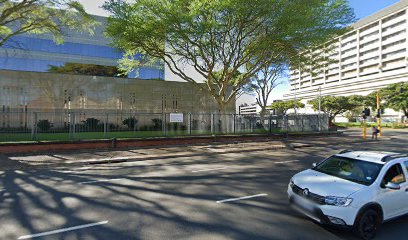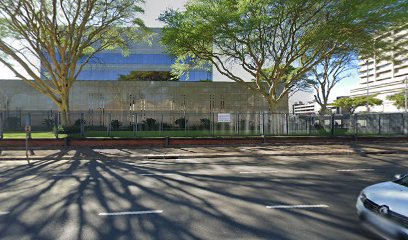
Centre for Fine Arts, Animation and Design is a Private college establishment in Durban, KwaZulu-Natal, South Africa
Durban
KwaZulu-Natal
Durban Central, Durban
South Africa
Sorry, no records were found. Please adjust your search criteria and try again.
Sorry, unable to load the Maps API.
Private college services in Durban, KwaZulu-Natal
Private colleges in Durban offer a range of vocational, professional, and foundational programmes designed to prepare students for specific careers or further study. These institutions typically blend practical skills with theoretical knowledge, underpinned by industry-relevant curricula. They are often chosen for targeted training, shorter programme durations, and flexible study options that accommodate working individuals or those seeking career changes.
Most Durban-based private colleges provide a spectrum of programmes, including diploma and certificate courses in fields such as business administration, information technology, hospitality, media, health and beauty therapies, and specialised trades. Many campuses also offer short courses, recognised professional qualifications, and continuing professional development blocks intended for upskilling employees or pursuing career advancement. In addition, some institutions deliver language and communication programmes, academic literacy support, and study skills workshops to help learners navigate higher education environments more effectively.
A typical student journey begins with guidance on programme selection and entry requirements, followed by enrolment processes that confirm eligibility, payment arrangements, and the chosen method of study. Durban private colleges commonly offer full-time and part-time timetables, with options for daytime, evening, or weekend attendance. Blended learning and online components are frequently incorporated to accommodate distance learners or those balancing work commitments. Assessment usually comprises a combination of continuous assessment, practical projects, assignments, and formal examinations, depending on the nature of the programme.
Facilities on offer vary by campus but often include purpose-built classrooms, computer laboratories, workshops for technical and artistic disciplines, library resources, student common rooms, and career guidance facilities. Practical training is a hallmark of many programmes, especially in sectors such as hospitality, beauty therapy, health sciences, and trades, where real-world exposure and supervised practice contribute to competence and confidence. Some private colleges partner with local businesses to facilitate workplace placements, internships, or a moderated mentorship approach that helps learners apply knowledge in professional settings.
Practical considerations for prospective students include travel and accommodation planning, given Durban’s mix of urban and coastal suburbs. Location can influence campus access, transport options, and the availability of on-site facilities. Fees and funding arrangements are important factors; many institutions publish transparent fee structures, with guidance on potential bursaries, payment plans, and in some cases student support services. Prospective learners are advised to verify the accreditation status of the college and the recognised standing of specific programmes, ensuring that qualifications align with industry expectations and potential career pathways.
Support services for students commonly encompass academic advising, disability and accessibility services, counselling, and student welfare programmes. Some campuses provide language support for non-native English speakers, work-ready skills workshops, and assistance with job search strategies, interview preparation, and resume development. Durban private colleges often emphasise employability outcomes, highlighting links to local employers and industry networks, while remaining cautious about promising guaranteed job placements.
In summary, private college services in Durban, KwaZulu-Natal, are characterised by practical, career-oriented curricula, flexible study options, and supportive environments tailored to diverse learning needs. While programme offerings and facilities differ between campuses, the overarching aim remains to equip learners with applicable skills, professional readiness, and pathways to further study or employment within South Africa’s dynamic economic landscape.