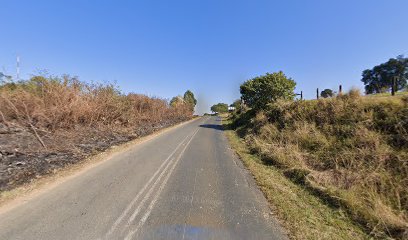
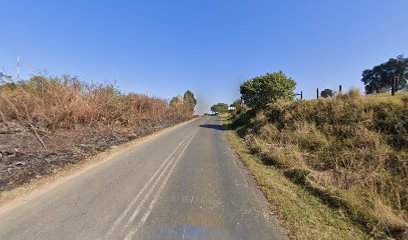
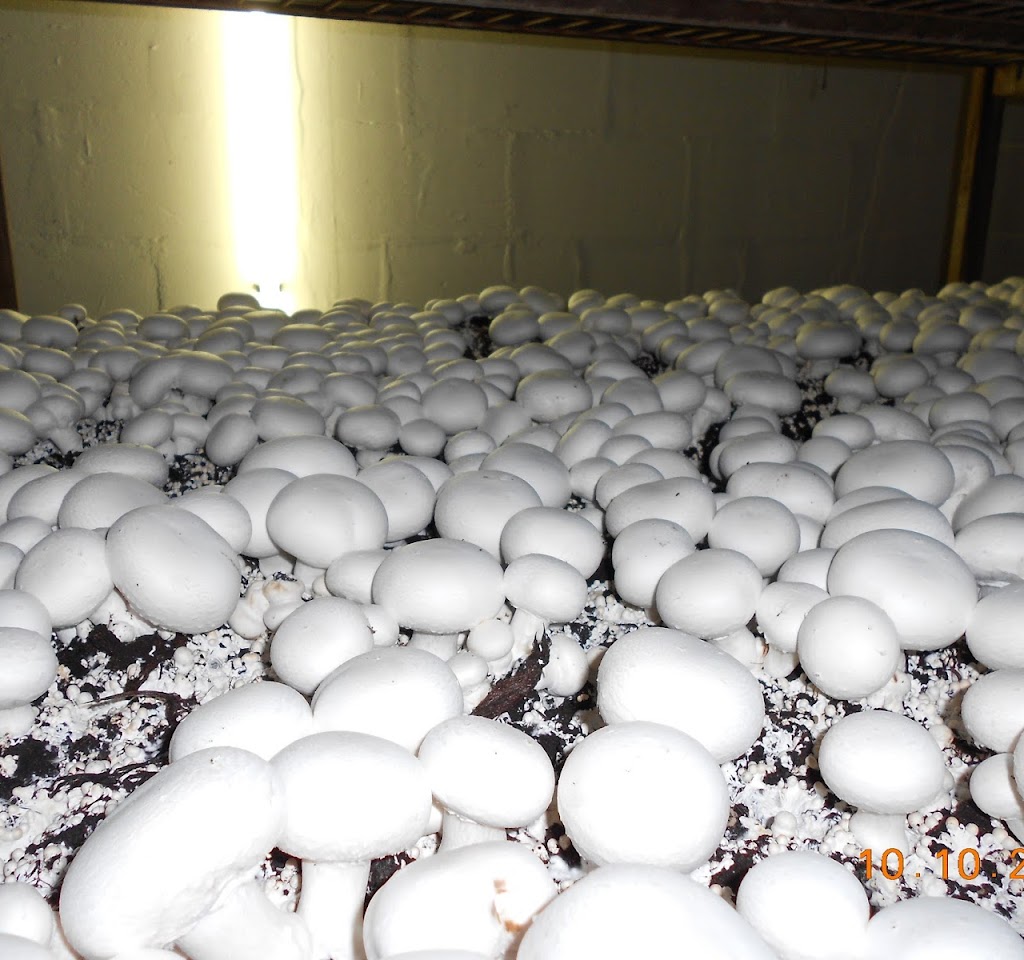
Chantarelle Mushrooms is a Farm establishment in Durban, KwaZulu-Natal, South Africa
Durban
KwaZulu-Natal
Alverstone, Hillcrest, Durban
South Africa

Sorry, no records were found. Please adjust your search criteria and try again.
Sorry, unable to load the Maps API.
Farm Services in Durban, KwaZulu-Natal: A Practical Overview
Farm services in Durban and the surrounding KwaZulu-Natal region cover a broad spectrum of agricultural support designed to sustain, optimise and protect farming operations. From soil preparation and crop management to livestock care and agronomy advice, the sector aims to assist growers across commercial and smallholdings. Durban’s climate, with its humid subtropical conditions, shapes the typical service mix, emphasising irrigation, pest management and seasonal productivity planning.
Within this category, service providers often specialise in core areas such as soil analysis, crop nutrition, pest and disease control, and irrigation design. Soil testing helps determine nutrient levels and pH, guiding tailored fertiliser recommendations. Crop nutrition services focus on balanced programmes to support yields while minimising environmental impact. Pest and disease management encompasses proactive monitoring, consultation on approved control methods, and implementing integrated pest management strategies suited to local pests and plant diseases.
Irrigation and water management are particularly important in KwaZulu-Natal, where weather patterns can be variable. Contractors frequently assess water sources, design efficient irrigation layouts, and install equipment for drip, sprinkler or centre-pivot systems. Maintenance plans for irrigation infrastructure are commonly provided to ensure reliable operation during farming cycles, along with advice on water use efficiency and drought resilience where necessary.
Specialist livestock services are another common facet of Durban’s farm support landscape. These can include routine animal health monitoring, vaccination planning, nutrition advice for different classes of stock, and welfare-focused husbandry practices. On-farm visits may extend to assessing fencing, housing, and security measures, all of which contribute to productive and humane farming environments.
Farm management and advisory services are frequently available to help agricultural businesses plan for seasonality and market demands. Experts may assist with crop rotation strategies, feedback on viable cropping plans for the local climate, and risk assessment related to weather variability. Financial considerations, such as budgeting for inputs, cash flow planning, and long-term capital investments in farm equipment, are sometimes part of the consulting offering, though actual pricing and terms vary by provider.
Understanding availability and service delivery formats is essential for prospective clients. Many farm service providers operate on a visit-and-consult model, where a qualified agronomist or agricultural technician visits the site to inspect fields, animals or facilities, then follows up with a written plan or recommendations. Others offer ongoing programmes or seasonal packages that align with planting windows, harvest periods and livestock cycles. When engaging services, clients usually agree on a scope of work, timelines, and practical follow-up steps, with clear communication about any required equipment or procurement responsibilities.
Practical considerations for engaging farm services in Durban include accessibility, given urban and peri-urban locations as well as rural hinterlands. Providers typically need to assess travel time, input sourcing, and whether on-site demonstrations or training might be included as part of the service. Compliance with local regulations, environmental standards, and ethical farming practices is a common expectation, with inspectors or auditing bodies sometimes involved, depending on the client’s size and sector.
For those planning to hire farm services, it is advisable to request a site visit, obtain a written plan, and discuss expectations around milestones and reporting. Understanding the interval of follow-up visits, the nature of any recommended products, and the conditions under which services operate helps ensure the engagement supports sustainable productivity. In Durban’s mixed agricultural landscape, the most successful arrangements often prioritise practical, site-specific guidance that respects the local climate, soil types, and water resources while maintaining a flexible approach to evolving farm needs.