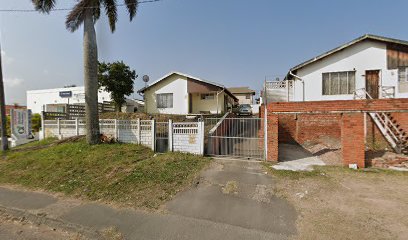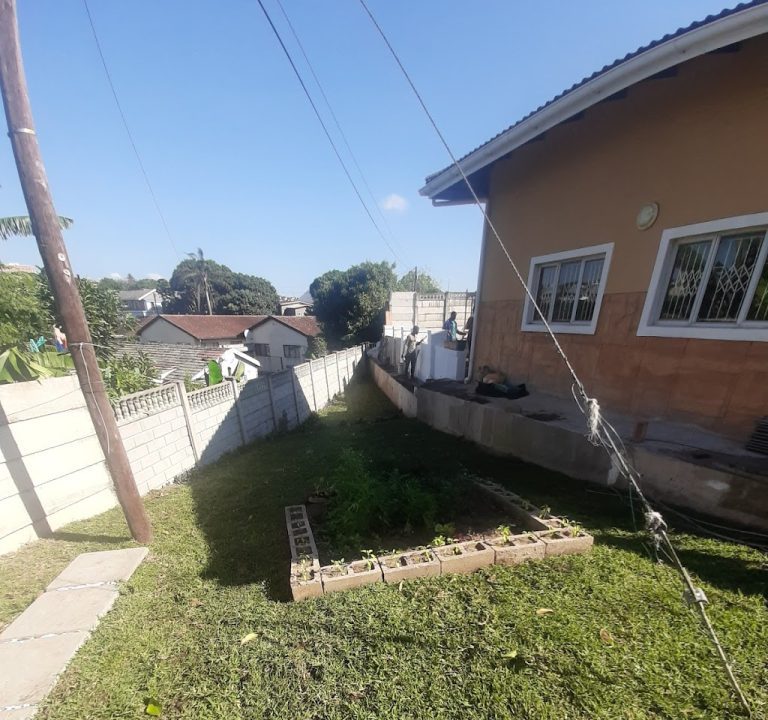
Chatsworth Wood-Hurst Clinic is a Medical clinic establishment in Durban, KwaZulu-Natal, South Africa
Durban
KwaZulu-Natal
4092
South Africa


Sorry, no records were found. Please adjust your search criteria and try again.
Sorry, unable to load the Maps API.
Medical Clinic Services in Durban, KwaZulu-Natal
In Durban, KwaZulu-Natal, medical clinics provide accessible healthcare across urban centres and suburban neighbourhoods. The range of services typically covers primary care, preventative health, chronic disease management, and urgent care. Clinics often act as the first point of contact for patients seeking evaluation, treatment, and guidance on monitoring long‑term conditions, referrals, and health education. The diverse population and climate of the region influence the emphasis on preventative services such as vaccinations, health screenings, and lifestyle counselling tailored to the local context.
Primary care encompasses initial consultations with qualified clinicians, medical assistants, and, in some settings, nursing staff who coordinate care plans. Common visits address acute illnesses such as respiratory infections, fever, and minor injuries, as well as routine check‑ups and annual physicals. In many Durban clinics, there is a focus on rapid assessment and appropriate escalation, with pathways for referral to secondary or specialist care when needed. Routine screening may include blood pressure checks, diabetes risk assessment, and cervical or breast health programmes, aligning with national public health priorities and community needs.
Chronic disease management forms a substantial part of the service mix. Patients with conditions such as hypertension, diabetes, high cholesterol, and asthma receive regular follow‑ups, medication reviews, and education on self‑management. Clinics commonly provide patient‑held records or digital reminders to support adherence, while pharmacists and nurses may assist with medication administration and dose adjustments under established protocols. Where necessary, clinicians organise referrals to hospital departments or private specialists for advanced diagnostics, imaging, or procedures.
Preventative and reproductive health services are widely featured in Durban clinics. Immunisations for adults and children, including travel vaccines where appropriate, are frequently offered alongside routine maternal and child health visits, family planning counselling, and screening programmes. Women’s health services may extend to cervical cytology or referral for more comprehensive gynecological care, while men’s health is supported by health promotion and screening initiatives addressing common conditions.
Urgent care and same‑day access are notable aspects in many urban clinics. While not a substitute for emergency departments, these facilities provide rapid assessment and treatment of non‑life‑threatening conditions, supported by on‑site diagnostic tools such as basic laboratory tests and imaging where available. Waiting times can vary by location and time of day, with some clinics offering triage to prioritise those in need of urgent attention.
Practical considerations shape the patient experience in Durban. Access to clinics may be influenced by transport links, with central city sites often well connected by public and private transport. Clinics situated in townships or rural areas may prioritise outreach or walk‑in accessibility to serve communities with limited mobility. Operating hours frequently include evenings and weekends to accommodate work schedules, but arrangements differ by facility. Language and cultural sensitivity are commonly emphasised, reflecting the linguistic and cultural diversity of KwaZulu‑Natal, where staff may communicate in English alongside isiZulu and other local languages.
When planning a visit, patients should be prepared with essential information. A concise summary of symptoms or concerns, a list of current medications, and any existing medical records can streamline consultations. Some clinics operate on a mixed model of appointment and walk‑in care, balancing efficiency with the need to address urgent health concerns. For those requiring ongoing monitoring, clinics may offer structured follow‑up plans, prescription management, and guidance on when to seek emergency care.
Overall, medical clinics in Durban provide a practical and locally responsive health service framework. They aim to deliver timely assessment, appropriate treatment, and coordinated care while navigating the realities of the South African healthcare landscape. The emphasis remains on accessible primary care, supported by referrals and community health initiatives that contribute to the broader well‑being of residents and visitors in KwaZulu‑Natal.
- Common services include primary care, acute illness management, chronic disease follow‑up, vaccinations, and preventative screening.
- Access to urgent care is available in many urban clinics, with appropriate triage and rapid assessment.
- Practical considerations cover transport access, operating hours, language services, and patient‑centred care plans.