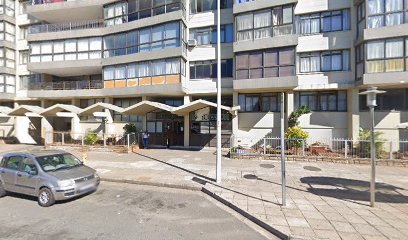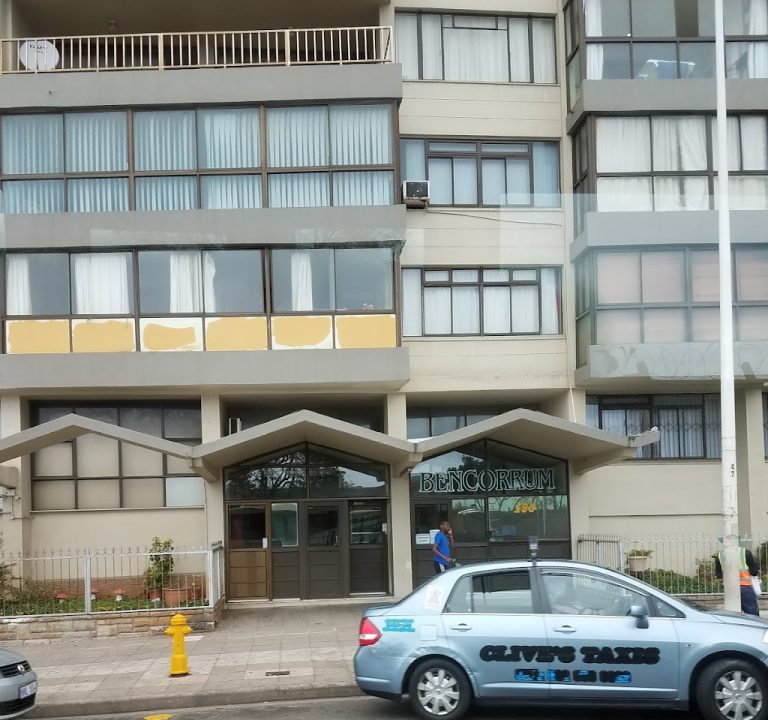
Cherlano PTY LTD is a Community center establishment in Durban, KwaZulu-Natal, South Africa
Durban
KwaZulu-Natal
South Beach, Durban
South Africa


Sorry, no records were found. Please adjust your search criteria and try again.
Sorry, unable to load the Maps API.
Community centre services in Durban, KwaZulu-Natal
In Durban, KwaZulu-Natal, community centres offer a diverse range of services designed to support residents and strengthen neighbourhood networks. These facilities typically function as inclusive hubs where residents can access practical assistance, participate in programmes, and engage in social activities. The emphasis is on affordable, accessible activities that address everyday needs while fostering lifelong learning and social cohesion.
Common offerings fall into several core areas. Education and learning programmes frequently include after‑school clubs, literacy and numeracy support, and skills development sessions. Basic computer literacy, language classes, and workshops on budgeting or entrepreneurship are also typical, aimed at improving opportunities for both youth and adults. Cultural and recreational activities provide spaces for music, dance, art, craft, and sport, helping to build community pride and promote healthy living. Facilities for physical fitness, such as fitness classes, dance sessions, and organised sports, are often hosted within or nearby the centre to encourage regular activity in a safe environment.
Many centres extend their services to families and youth by offering guidance and outreach. This can take the form of career advice, job readiness training, interview coaching, CV writing support, and information on local training opportunities. Counselling services—whether for personal well‑being, relationships, or crisis support—are commonly available, with referrals to external professionals when specialised assistance is required. Some centres also coordinate health outreach activities, including periodic health checks, HIV awareness and education, and basic preventative care information, aiming to raise health literacy in the community.
Social and community programmes are central to Durban centres. Regularly scheduled events may include community meetings, awareness campaigns, celebrations of local culture, and intergenerational activities that connect elders with younger residents. Food programmes, meal services, or food‑distribution days are often organised by partner organisations or through volunteer efforts, contributing to local food security and neighbourly support. Volunteer opportunities are typically available for residents who wish to contribute time, skills, or resources, reinforcing the sense of local ownership and mutual aid.
Access to services is usually designed to be practical and straightforward. Centres often operate with flexible hours to accommodate students, workers, and families, including afternoon and weekend sessions. Registration may be necessary for certain programmes, with some activities offered free of charge and others subject to modest fees or required materials. Centres may request basic information to tailor programmes to community needs, while prioritising inclusivity and non‑discrimination in line with local policy frameworks. Transport considerations, such as bus routes or informal transport arrangements, are commonly noted, given the city’s varied geography and the importance of making programmes approachable for residents across areas such as Chatsworth, Umlazi, and Durban North.
Spatial and safety considerations are typical concerns. Centres strive to provide accessible facilities with ramps or elevators where possible, clear signage, and well‑lit, secure premises. Partnerships with local authorities, non‑profit organisations, and educational institutions help sustain programmes and extend reach. For residents seeking information, guidance, or participation, centre staff or volunteer coordinators often offer introductory sessions, programme calendars, and information boards detailing upcoming activities.
Overall, Durban’s community centres function as practical enablement hubs. They aggregate educational, cultural, health, and social supports in a locally grounded setting, fostering resilience and connectivity within diverse communities. As needs evolve, these centres frequently adapt by expanding collaborations, aligning services with community priorities, and prioritising welcoming environments for people of all ages and backgrounds.