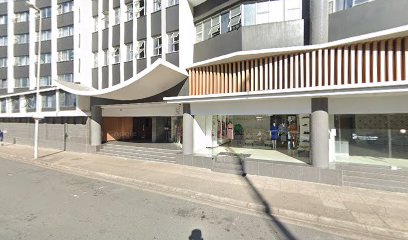
Christ Resurrection Centre is a Church establishment in Durban, KwaZulu-Natal, South Africa
Durban
KwaZulu-Natal
4001
South Africa
Sorry, no records were found. Please adjust your search criteria and try again.
Sorry, unable to load the Maps API.
Overview of Church Services in Durban, KwaZulu-Natal
Durban’s church scene reflects a diverse tapestry of denominations and cultural traditions, spanning historic urban congregations to contemporary Pentecostal and charismatic fellowships. Across the city and its surrounding suburbs, churches typically offer regular Sunday services complemented by midweek gatherings, special seasonal observances, and lifecycle rites. The experience is shaped by a blend of isiZulu, English, and other languages, mirroring the neighbourhoods and communities that form Durban’s religious landscape.
Most congregations begin with a welcome and period of worship that combines hymns, contemporary worship songs, and traditional spiritual music. Musical styles vary widely, ranging from organ- or piano-led accompaniment in older, established churches to modern bands featuring drums, keyboards, and vocal harmonies in newer or revivalist congregations. Congregational singing is often a central element, with members encouraged to participate. Prayer and Scripture reading follow the opening worship, setting a reflective tone for the service.
In Durban, services frequently include a sermon or homily delivered by a pastor, priest, or lay preacher. The message commonly centres on themes of faith, community service, personal resilience, and moral guidance. Many congregations place emphasis on practical application, encouraging attendees to relate biblical teachings to daily life, work, and interpersonal relationships. Sermons may be delivered in multiple languages or alternated between languages to accommodate a diverse audience.
Communion or the Eucharist is a regular feature in many churches, though practices vary. Some congregations observe communion monthly or quarterly, while others celebrate on special feast days or during major liturgical seasons. Baptism is another significant rite, with arrangements differing according to denomination. Infant baptism is common in many traditional churches, whereas believers’ baptism by immersion is emphasised in several evangelical or charismatic communities. Winding through these rites is a shared focus on spiritual formation, blessing, and communal belonging.
Practical considerations play a substantial role in Durban’s church life. Sunday worship hours are typically morning, with some churches offering additional services in the early evening. Parking can be convenient near city churches but may be limited in denser neighbourhoods, prompting some congregations to organise shuttle services or encourage public transport. Dress codes vary; larger urban churches may present a semi-formal to smart-casual expectation, while smaller or rural-leaning communities may adopt more relaxed attire. Visitors are often welcomed warmly, with ushers and stewards ready to provide directions to seating, facilities, child care, and accessibility features.
Many Durban churches provide age-appropriate programmes for children and youth, including crèches, Sunday schools, teenagers’ groups, and activity mornings. These programmes typically run in parallel with the main service or occupy a separate space within the church complex, allowing families to participate fully while supporting spiritual development for younger attendees. For families seeking quieter spaces, most venues offer designated prayer rooms or quiet corners. Assistance for attendees with disabilities is a consideration in many churches, with accessible ramps, seating, and hearing assistance available in varying degrees depending on the venue.
Beyond weekly worship, Durban churches frequently engage in outreach and charity work, reflecting local social needs. Community meals, food drives, and support for the elderly or marginalised are common features, emphasising a sense of stewardship and neighbourly care. While each congregation maintains its own distinctive identity, visitors can expect a respectful, orderly, and inclusive environment that prioritises worship, spiritual growth, and shared community values.