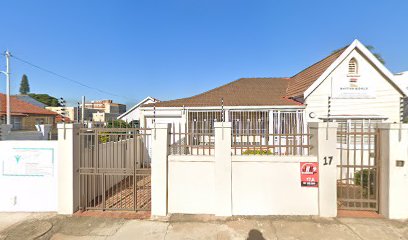
Church of Scientology of Durban is a Religious organization establishment in Berea, Kwa-Zulu Natal, South Africa
Summary of services and customer experience for the Durban Church of Scientology
Situated in the Berea area of Durban, Kwa-Zulu Natal, the Durban Church of Scientology operates as a religious organisation that offers a range of introductory and educational materials designed to illuminate Scientology beliefs and practices. The site presents a focus on learning through courses and literature, with additional activities that align with Scientology’s broader public outreach and volunteer initiatives. As an external observer, the presentation emphasises approachable entry points for those curious about Scientology, rather than a transactional service model.
The organisation’s online footprint highlights core offerings that together form the initial customer journey. Central to the offering is Durban Online Courses, which provides digital access to introductory material about Scientology, its beliefs, practices, creeds and codes, and related topics such as Dianetics. These online resources appear aimed at familiarising newcomers with foundational concepts before engaging with more formal on-site activity.
Another primary pillar is the Books & Services section, which aggregates introductory literature and materials. The site differentiates between introductory lectures and Beginning Services, suggesting a pathway from reading and listening to more structured, experiential engagement. The emphasis is on accessible, self-guided learning complemented by guided sessions, rather than on higher‑pressure sales or marketing tactics.
The site also highlights ongoing human‑aid activities through Volunteer Ministers. This component signals a social‑good dimension, displaying the organisation’s commitment to providing practical help and community support. This aligns with public-facing narratives about serving communities and assisting individuals in need, beyond internal doctrinal study.
For visitors who wish to hear from members or gain a personal perspective, the site includes media elements such as video profiles and featured stories. These elements, including pieces about individual Scientologists, contribute to a narrative that portrays the Church as a community with real people, experiences and aims. The overall tone appears educational and informational rather than promotional.
In terms of site structure and navigation, the Durban location presents a clear framework for understanding “What is Scientology?” including Beliefs & Practices, scientology creeds and codes, and introductory concepts such as Dianetics. The content is designed to inform readers about core tenets and the practical applications of Scientology principles, with an emphasis on understanding the mind and personal development as presented within the movement.
Requests for engagement typically begin online, either through the Durban Online Courses portal or the Books & Services pages. The store component indicates that materials are available for home study or reference, while Beginning Services hint at a structured on-site or guided program for new adherents. The presence of multiple language options and international linkages on the site implies an awareness of a diverse audience and an effort to present information accessibly.
Location and area served are specified as Durban, with the Berea district identified as the local hub. The site framework suggests that services and resources are geared towards individuals at varying stages of interest—from casual readers to those seeking formal introductory services and ongoing study.
Practical tips for prospective visitors and readers:
- Explore the Durban Online Courses first to gain a foundational understanding of Scientology beliefs, practices, and terminology before deeper engagement.
- Review the Books & Services section to identify introductory materials and beginner services that match personal learning preferences (reading, listening to lectures, or guided study).
- Consider engaging with Volunteer Ministers as a practical way to observe and participate in service activities that demonstrate outward help to the community.
- Prepare questions in advance about topics of interest within Beliefs & Practices, Scientology creeds and codes, and the role of Dianetics in the overall framework.
- If visiting the Durban site, allocate time for both study and potential on-site discussions, recognising that hours and specific on-site schedules are not detailed on the accessible pages.
Overall, the Durban Church of Scientology presents a cohesive, education‑focused profile for those curious about Scientology. The mix of online learning, introductory literature, and volunteer activity offers a low‑pressure pathway into the organisation’s beliefs and community life, framed by a local Durban presence in Berea. While precise hours and on-site procedures are not specified in the provided materials, the structure encourages informed exploration through digital resources, followed by guided study and community involvement where available.
Berea
Kwa-Zulu Natal
4001
South Africa
Sorry, no records were found. Please adjust your search criteria and try again.
Sorry, unable to load the Maps API.
Religious organisation services in Berea, Kwa-Zulu Natal
In Berea, Kwa-Zulu Natal, religious organisations are central to community life, providing a range of spiritual, social and educational activities organised through local congregations and centres. These organisations typically operate within a particular denomination or faith tradition, while also offering inclusive programmes that invite participation from residents across diverse backgrounds. The focus is on fostering community, supporting personal wellbeing, and reinforcing shared values within a culturally rich urban environment.
Common services include regular worship and prayer gatherings held on Sundays and other holy days. These sessions often feature sermons, music, readings, and opportunities for fellowship. Midweek meetings may provide devotional study, prayer groups, and quiet reflection, catering to individuals seeking guidance or solace during busy city life. Many organisations also facilitate rites of passage, such as baptisms, confirmations, weddings, and funerals, with ceremonies tailored to individual preferences and cultural traditions.
Pastoral care lies at the heart of these organisations. Trained volunteers and clergy offer listening support, counselling, and practical assistance to families and individuals facing life events, health challenges, or times of transition. This can extend to hospital or home visits, bereavement support, and the provision of spiritual nourishment through study materials, discussion groups, and mentoring schemes for youth and adults alike.
Educational programmes are a staple, ranging from Sunday schools and catechism classes to adult Bible studies, religious education for children, and language-specific groups that reflect Berea’s multicultural community. Some centres host guest speakers, workshops on ethics and community wellbeing, and interfaith dialogues aimed at promoting mutual respect and understanding among residents of different faiths and beliefs.
Community outreach and charitable work form a significant dimension of service delivery. Organised efforts may address local needs such as food and clothing drives, support for the elderly or marginalised, and partnerships with other organisations to provide social services. The approach emphasises benevolence, social responsibility, and the provision of a welcoming space where people can come together to share resources and celebrate common values.
Practical considerations for those engaging with religious organisations in Berea include accessibility, travel arrangements, and the suitability of venues for various activities. Many centres are located within walking distance of residential areas or well-served by public transport, while others provide parking or shuttle arrangements for larger events. Facilities typically include spaces for worship, meeting rooms, kitchens, and areas equipped for youth and family programmes. Some organisations offer online resources or bulletin boards to keep members informed about schedules, volunteering opportunities, and upcoming events.
Governance in religious organisations generally rests with a leadership team or a management committee, often with input from congregants through regular meetings or councils. Transparency in financial matters and clear safeguarding policies are common expectations, particularly for organisations that manage donations or run community programmes. Practitioners emphasise inclusivity and respect for local customs, with sensitivity to the diverse cultural landscape of Berea and the broader Kwa-Zulu Natal region.
Overall, religious organisation services in Berea provide not only spiritual guidance but also social cohesion and practical support. Residents can expect a mix of worship, education, pastoral care, and community service that reflects local traditions while aiming to address contemporary needs. The experience is often characterised by a welcoming atmosphere, a commitment to service, and a steady rhythm of regular gatherings and special events throughout the year.