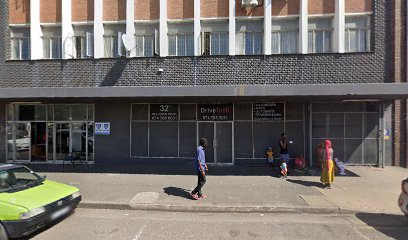
City Church International is a Church establishment in Durban, KwaZulu-Natal, South Africa
Durban
KwaZulu-Natal
4000
South Africa
Sorry, no records were found. Please adjust your search criteria and try again.
Sorry, unable to load the Maps API.
Church Services in Durban, KwaZulu-Natal
Durban, located on the east coast of South Africa, hosts a diverse array of church communities that reflect the city’s rich cultural blend. Visitors will encounter a spectrum of worship styles, from traditional to contemporary, across many denominations and independent churches. The experiences described here summarise what congregations in Durban commonly offer and what attendees can anticipate when exploring local church life.
Most churches in the area structure their week around Sunday worship, which typically forms the central event for many families and individuals. Sunday services often include communal singing, a sermon or message, prayers, and sometimes a shared meal or fellowship time afterwards. Music ranges from organ-driven hymns to modern worship bands, with choirs and musical ensembles frequently contributing to the service. In addition to Sunday gatherings, midweek services and prayer meetings provide opportunities for quiet reflection, study, and corporate prayer.
Many Durban churches place emphasis on hospitality and community outreach. Hospitality may be expressed through welcome teams, refreshments after services, or informal gatherings that help newcomers feel comfortable. Local missions, feeding programmes, and educational initiatives are commonly supported by congregations, sometimes in partnership with charities and community organisations. Churches may also host special services for national holidays, religious festivals, and seasonal events, as well as culturally specific celebrations that reflect Durban’s multicultural population.
Rituals such as baptisms, weddings, and funerals are typically available but organised according to each church’s rite and tradition. Baptisms are often performed during a designated service or milestone moment, sometimes accompanied by a short ceremony in a pool, font, or baptismal tank. Weddings are usually conducted by a minister or authorised officiant within the church building or under a suitable setting, with premarital counselling commonly offered. Funerals and memorial services are present in many congregations, providing prayerful support for families and communities during times of loss.
For visitors and new residents, a practical consideration is language. Durban churches commonly offer services in English, with others conducted in isiZulu or Afrikaans, and several churches provide multilingual arrangements or translations. Dress codes tend to be modest and respectful, though many congregations welcome visitors regardless of attire. Arriving a few minutes early allows time to find a seat, locate information about programme timings, and greet stewards or ushers who can assist with directions and accessibility concerns.
Participation styles vary. Some services encourage congregational singing and responsive readings, while others focus on a sermon-based format with opportunities for prayer and reflection. Shared notices often outline upcoming events, study groups, and outreach projects, giving attendees a sense of ongoing life beyond the weekly gathering. Offering or donations are typically received during the service, either through traditional collections or modern methods where available, with clear guidance for those who wish to contribute.
Accessibility features are increasingly important in Durban’s church scene. Many churches provide parking facilities, wheelchair access, and quiet rooms for parents with young children. Childcare, Sunday schools, and youth programmes are common, offering age-appropriate activities and biblical teaching during or after the main service. Some congregations run adult education classes, Bible study groups, and community programmes that aim to support personal growth and social connection.
- Sunday worship with sermons and music
- Midweek services and prayer meetings
- Baptisms, weddings, and funerals
- Youth programmes, children’s activities, and teaching groups
- Hospitality, community outreach, and charitable initiatives