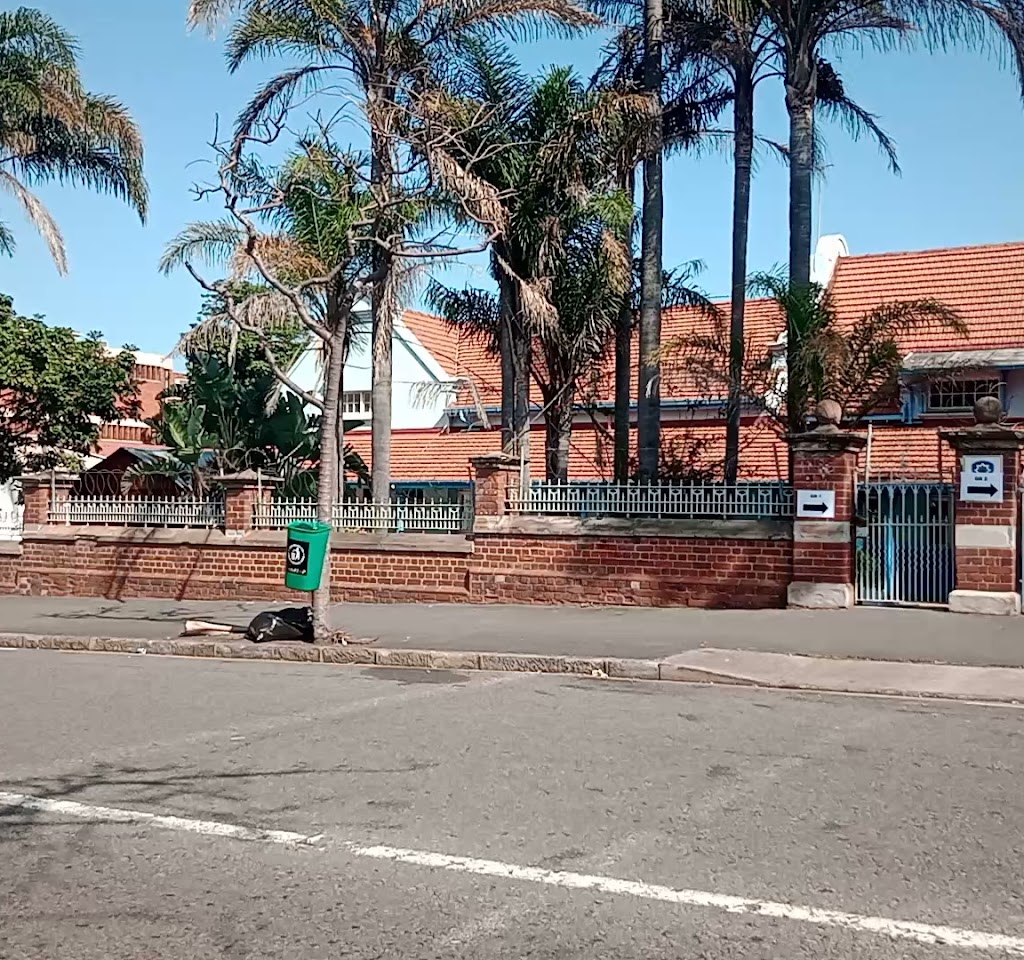
Clarence Primary School is a Elementary school establishment in Berea, Kwa-Zulu Natal, South Africa
Clarence Primary School — Elementary Education in Greyville, Durban
Clarence Primary School occupies a long-standing position in Greyville, Durban, and serves as an important local hub for primary education within the Berea area of Kwa-Zulu Natal. The school’s history is highlighted by a centenary celebration in 2005, underscoring a continuing tradition of learning and community engagement. The campus educates around 1,200 learners, spanning from Reception through Grade 7, and includes two LSEN (Learners with Special Educational Needs) classes, highlighting a commitment to inclusive education.
From the information presented on the school’s site, Clarence Primary positions itself as a centre for quality teaching and learning. The stated vision emphasises excellence across academics, sport, and Creative Arts, with a focus on innovative and creative approaches to education. The mission notes the establishment of a safe and welcoming environment in which high standards of learning and teaching are pursued, alongside attention to physical, intellectual, and emotional development. These aims suggest a holistic approach to schooling, with value placed on both cognitive outcomes and the wellbeing of learners.
The school’s academic structure is organised into distinct grades, beginning with Grade R (reception) and progressing through Grades 1 to 7. Each stage is described in terms of its role in building foundational knowledge and skills, with Grade R specifically highlighted for inspiring curiosity and early exploration. The Grade 1 to Grade 7 curriculum is presented as a progression of learning experiences designed to support sustained development and achievement, reflecting a typical South African primary school framework.
Key services and extensions offered by Clarence Primary School include the following:
- Grade R to Grade 7 education across the full primary range, with emphasis on structured daily timetables and subject emphasis appropriate to each phase.
- LSEN classes, providing safe spaces and targeted support for learners with special educational needs, illustrating an inclusive approach to schooling within the primary context.
- KIDZ ZONE AFTERCARE, described as an extension intended to support families by focusing on child safety and holistic development beyond school hours. This service signals practical support for learners’ needs outside conventional classroom time.
- Enrolment and admissions processes, with online options available through the school website for prospective families seeking to join Clarence Primary School.
- Regular communications and updates through the school’s news and about pages, indicating an emphasis on community engagement and information sharing with parents and guardians.
In terms of the customer experience and environment, the site portrays Clarence Primary as a long-established institution with a broad learner base and a commitment to safe, welcoming surroundings. The emphasis on a centre for quality teaching and learning implies a focus on academic achievement as well as personal growth, with opportunities in sport and Creative Arts noted as integral parts of the school’s mission.
For families considering Clarence Primary School, practical considerations drawn from the site include the annual cycle of enrolment and the availability of aftercare services, which can help align schooling with family schedules. The presence of LSEN classes indicates that additional support services are available for learners with special educational needs, which can be an important factor for parents seeking inclusive education options.
Clarence Primary’s location in Greyville places it within a well-known urban area of Durban, making it accessible to families in Berea and the surrounding communities. While specific hours of operation are not listed on the site, the school’s online presence provides ongoing updates and admissions information, suggesting a responsive communications approach to prospective and current families.
Practical tips for prospective pupils and guardians include reviewing the Grade R offerings to understand early learning activities, exploring the LSEN options if specialised support is required, and considering the aftercare service to support extended day arrangements. Checking the enrolment page and recent news posts can provide timely information on admissions windows, events, and community activities, while the about page offers insight into the school’s philosophy and priorities.
Overall, Clarence Primary School presents a traditional yet inclusive primary education option in Durban’s Greyville area, combining a long-standing pedagogical heritage with contemporary assurances of safety, holistic development, and opportunities across academics, sport, and Creative Arts. The school’s extended care and commitment to diverse learners reflect a broad approach to supporting families in the Berea locality of Kwa-Zulu Natal.
Berea
Kwa-Zulu Natal
4001
South Africa
Sorry, no records were found. Please adjust your search criteria and try again.
Sorry, unable to load the Maps API.
Elementary school services in Berea, Kwa-Zulu Natal
Elementary education in Berea, Kwa-Zulu Natal, encompasses a range of services designed to support children aged roughly five to thirteen as they progress through the early years of schooling. Schools in this urban coastal area commonly deliver a structured curriculum aligned with national and provincial guidelines, while also incorporating local educational priorities such as bilingual education, community engagement, and robust assessment practices. Parents and caregivers can expect schools to provide a welcoming environment that fosters foundational literacy, numeracy, and practical learning skills alongside social development.
Curriculum and daily routines are typically organised around Grades R to 7. In the early years, there is an emphasis on play-based learning and the gradual introduction of literacy and numeracy concepts. As learners advance, lessons become more focused on subjects such as language, mathematics, science, social studies, and Life Skills. Many Berea schools also include isiZulu or another local language as a compulsory component, supporting multilingual communication and cultural awareness. Practical science, technology, and creative arts are integrated to build problem-solving abilities and creative confidence. Assessment practises frequently combine continuous assessment with formal evaluations to monitor progress and inform teaching strategies.
Across Berea, schools recognise the importance of a well-rounded programme. Extra-curricular opportunities are commonly available, including sport, music, drama, and cultural activities. These activities are designed to complement academic learning, encourage teamwork, and provide a platform for individual talents to emerge. In addition, some institutions offer after-school care or holiday programmes to assist working families, subject to availability and space. Transport arrangements, where provided, are typically organised through the school or local municipal services, with routes designed to connect residential areas with school sites efficiently and safely.
Nutrition and physical well-being are addressed through school feeding schemes, where applicable, as well as daily physical education. Safe outdoor spaces, adequate shade, and well-maintained playground equipment are features in many Berea campuses, reflecting the emphasis on safe, active learning environments. Schools often provide guidance on personal safety, particularly for learners who travel independently or via public transport.
Support for diverse learning needs is commonly available, with pathways for learners who require additional assistance. This may include remedial programmes, small-group support, language development for children acquiring isiZulu or English as an additional language, and targeted interventions for students with special educational needs. Partnerships with local educational departments and community organisations may enhance access to resources, but details vary by school and are subject to change.
Families choosing an elementary school in Berea may wish to consider practical aspects such as enrolment timelines, school hours, and the proximity of home to the chosen campus. Urban locations can offer convenient access to community facilities and public transport, though traffic considerations and safety in busy streets are important to review. School visits and open days remain helpful for gaining a sense of class sizes, teacher qualifications, and the overall ethos of the school.
In summary, elementary education in Berea provides a structured yet flexible framework for early learning, emphasising literacy and numeracy, social development, and a broad spectrum of enriching activities. The best-fit choice typically balances academic rigour with supportive pastoral care, accessible after-care arrangements, and a community-oriented environment that reflects the values and needs of families in Kwa-Zulu Natal.