Clearing Agents in Durban I Calthol Clearing & Freight Forwarders in South Africa is a Freight forwarding service establishment in Durban, KwaZulu-Natal, South Africa
Durban
KwaZulu-Natal
Pinetown, Durban
South Africa

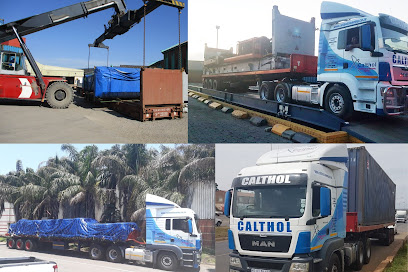
Sorry, no records were found. Please adjust your search criteria and try again.
Sorry, unable to load the Maps API.
Freight forwarding services in Durban, KwaZulu-Natal: what to expect
Durban, located on the eastern coast of South Africa, serves as a major hub for international trade, with the Port of Durban handling a substantial portion of the country’s containerised cargo. Freight forwarding services in this region typically offer a range of interlinked activities designed to move goods efficiently from origin to destination, navigating both local transport networks and international shipping requirements. The emphasis is on reliability, customs compliance, and timely communication throughout the shipment lifecycle.
Most freight forwarders in Durban provide integrated solutions that cover both export and import movements. Core activities often include coordination of ocean freight or air freight, depending on the nature of the cargo and the urgency of delivery. Ocean freight commonly involves consolidations, liner services, and the organisation of containerised cargo, while air freight focuses on faster transit for time‑sensitive goods. In both cases, the forwarder arranges leg‑to‑leg transport, prioritising secure handling and appropriate mode selection.
Customs clearance forms a central pillar of the service offering. Accurate documentation, classification of goods, and adherence to South African customs rules are essential to avoid delays. Forwarders typically prepare or verify import and export declarations, assist with duties and taxes calculations, and coordinate with the relevant authorities to obtain clearance. They also manage compliance with trade regulations, including any commodity restrictions, permits, and necessary certifications.
Warehousing and distribution are commonly bundled for shippers seeking end‑to‑end solutions. Storage facilities, inventory management, and order fulfilment can be provided on a short or longer‑term basis, with the option of value‑added services such as packaging, labelling, or consolidation. Inland transportation from Durban’s port to regional hubs or destination sites is frequently arranged, leveraging road networks and, when appropriate, rail links to optimise cost and transit times.
Insurance and risk management form a supplementary layer of protection. While not a substitute for comprehensive risk assessment, cargo insurance can offer financial cover against loss or damage during transit. Forwarders often advise on risk scenarios, encapsulating handling risks at ports, during intermodal transfers, and in storage. Clients are encouraged to consider insurance alongside contractual terms and incoterms to determine the allocation of responsibility between seller and buyer.
Tracking, visibility, and communication are valued by customers who require transparency. Real‑time status updates, documentation access, and milestone notifications help keep shipments on schedule and allow for proactive problem solving if delays occur. Payment terms, routing options, and service levels are typically discussed upfront, with the forwarder proposing routes that balance cost, speed, and reliability.
Practical considerations for engaging a Durban freight forwarder include understanding port dynamics and prevailing transport conditions. The Port of Durban remains a critical gateway, but congestion, weather, and regulatory changes can influence timelines. Clients should anticipate potential lead times for customs clearance and keep documentation organised and up to date. Incoterms guidance helps clarify responsibilities for export packaging, insurance, and delivery at the destination.
In sum, freight forwarding services in Durban are characterised by a holistic approach to moving goods from sea or air gateways through to final delivery, with emphasis on regulatory compliance, efficient logistics, and proactive communication. Clients benefit from coordinated workflows that seek to minimise delays, optimise routes, and provide dependable support across a range of cargo types and business needs.