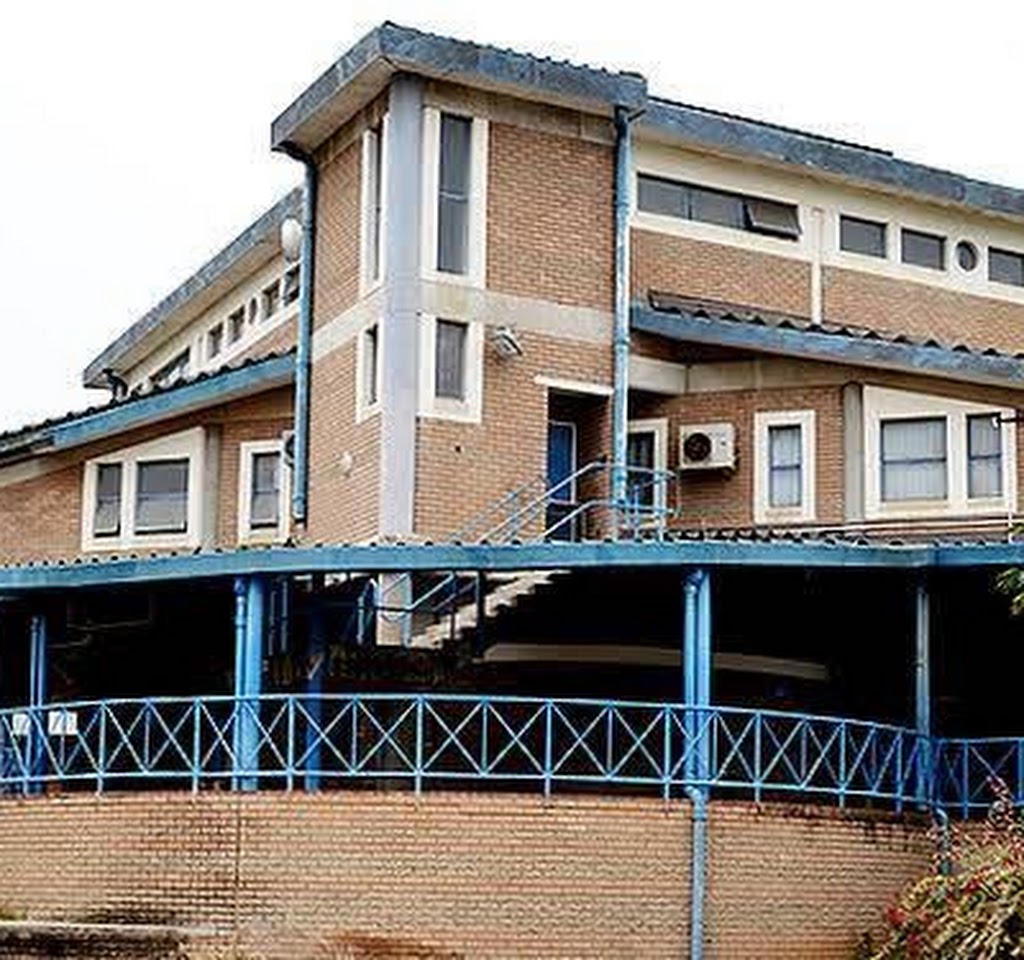
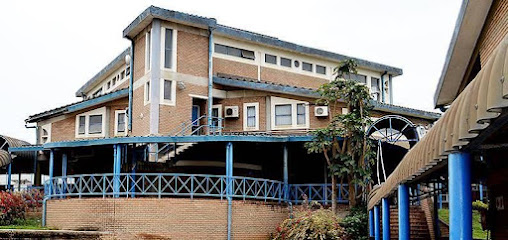
COASTAL KZN TVET COLLEGE UMBUMBULU CAMPUS is a School establishment in Durban, KwaZulu-Natal, South Africa
Overview: Coastal KZN TVET College Umbumbulu Campus — Services and Customer Experience
The Umbumbulu Campus of Coastal KZN TVET College operates within the wider Coastal KZN network, offering access to a range of accredited vocational programmes designed to equip learners with practical skills aligned to industry needs. As part of the college’s broader aim to be a pioneering centre of excellence, the Umbumbulu site contributes to a regional delivery that spans KwaZulu-Natal from Ozwathini to areas south of Durban, serving a diverse catchment that includes towns such as Maphumulo, Ndwedwe, the Bluff, Umlazi and coastal communities. The campus is part of a merged institution that positions itself as the largest TVET provider in the province, with a focus on inclusive access and industry-aligned training.
Core programmes available campus-wide (and pertinent to Umbumbulu) encompass National Certificate Vocational (NCV) qualifications, Nated (Report 191) programmes, and QCTO-accredited Occupational Programmes. These offerings are designed to provide both structured classroom learning and practical, hands-on experience through industry-aligned curricula. NCV programmes are delivered at levels 2, 3 and 4 and typically span one academic year per level, with a standard requirement of seven subjects per level. Nated programmes cover engineering and business studies, with delivery organised in trimester or semester formats depending on the field. Occupational programmes emphasise practical competencies aligned to specific trades and are positioned to meet current industry expectations.
The Umbumbulu Campus operates alongside other Coastal KZN sites, such as Appelsbosch and Ubuhle Bogu, and is supported by a network of specialised skills units that exemplify the college’s emphasis on applied training. Notable units include a Tooling Centre of Excellence, the CKZN Skills Training & Trade Testing Centre, a Steel Fabrication & Furniture Manufacturing Centre, an Enterprise Development Unit, and the Samsung Engineering Academy. These units reflect a commitment to holistic development—combining core academic study with industry practice, technical proficiency, and pathways to employability or further study.
In terms of how student journeys unfold, the college’s framework generally involves clear progression routes: admission requirements focus on appropriate prior qualifications (for NCV, Grade 9 or higher is indicated for entry into levels 2–4), with registration windows linked to specific programme streams (for example, NCV and Nated offerings). Occupational Programmes are presented as an alternative pathway designed to deliver job-ready capabilities in collaboration with industry partners.
Beyond formal teaching, the college emphasises learner support and broader student experiences. The overarching Coastal KZN TVET College profile highlights its inclusive stance, emphasising support for adult learners, unemployed learners, and those transitioning from transfer through project-linked training. The Umbumbulu Campus thus sits within a framework that values practical learning, employability, and community-facing education as central to its mission.
Typical job types and industries reflected by the college’s programme mix include trades and engineering disciplines (through Nated Engineering streams and Occupational Training) as well as business-focused tracks within the Nated framework. The presence of the CKZN Skills Training & Trade Testing Centre and similar facilities signals a strong emphasis on hands-on trades, testing, and validated skill sets that align with industry standards.
Requests and applications for programmes and participation generally follow the college’s official processes, including registration cycles for NCV and Nated offerings and application routes for Occupational Programmes. The campus is part of a central administration that provides information and guidance through official channels, with contact points and administrative services designed to assist prospective students, current learners and employers seeking collaboration or customised training.
Practical tips for prospective students and visitors:
- Check the campus-specific directions and maps to plan a visit to Umbumbulu and nearby Coastal KZN sites such as Appelsbosch and Ubuhle Bogu.
- Review the NCV level structure and entry requirements before applying, and verify registration dates relevant to the chosen programme.
- Explore the range of Skills Units on offer, particularly the Tooling Centre of Excellence and the CKZN Skills Training Centre, to understand practical pathways and potential industry links.
- Consider visiting during standard office hours to discuss programme options, campus facilities, and learner support services.
- Reasonable expectations about study delivery include a mix of classroom study and hands-on training, with opportunities to gain industry-aligned qualifications through QCTO-accredited Occupational Programmes.
Overall, the Umbumbulu Campus contributes to a broad, regionally accessible vocation education system that emphasises practical skill development, industry readiness, and pathways into employment or further study within the KwaZulu-Natal area.
Durban
KwaZulu-Natal
4126
South Africa
Sorry, no records were found. Please adjust your search criteria and try again.
Sorry, unable to load the Maps API.
School Services in Durban, KwaZulu-Natal
In Durban, KwaZulu-Natal, school services cover a broad spectrum of activities and offerings designed to support learners, parents, and educational institutions. The emphasis tends to be on promoting academic achievement, student wellbeing, and effective school administration within a diverse urban and coastal environment. Visitors to this category can expect information centred on core school operations, along with practical insights into how such services function in local communities.
A typical overview of services includes academic support and enrichment programmes, pastoral care, extracurricular activities, and operational elements that keep schools well organised. Academic support may involve tutoring, literacy and numeracy assistance, curriculum resources, and study programmes aimed at reinforcing classroom learning. Enrichment often encompasses sport, arts, language clubs, and cultural activities that reflect Durban’s multicultural landscape. Pastoral care focuses on student welfare, attendance initiatives, guidance counselling, and safety measures to create a positive school climate.
Administrative and support services form a significant component of what is offered. This includes enrolment and admissions processes, fee management, curriculum planning, timetabling, and communication between the school and families. In Durban, it is common for schools to provide information on admissions windows, required documentation, and timelines in a clear, accessible manner. Facilities management and maintenance also feature prominently, with attention to safe buildings, clean environments, and appropriate spaces for learning, recreation, and quiet study.
Practical considerations frequently highlighted for Durban-based school services consider the local climate, geography, and transport options. Durban’s subtropical conditions and urban sprawl influence decisions around outdoor facilities, sporting grounds, and security arrangements. Families may need guidance on travel arrangements, school zone boundaries, after-school care, and safe commuting options. In many communities, partnerships with local organisations and volunteers enhance the range of services available to learners, such as mentoring programmes, academic mentoring, and community outreach events.
Parents and guardians can expect a structured approach to progression and support. Schools often communicate through notices, newsletters, and parent meetings to keep families informed about policy changes, assessment expectations, and upcoming events. Where appropriate, guidance on career paths, further education, and vocational opportunities helps to prepare learners for post-school options. Transparency around policies—such as code of conduct, discipline procedures, and equity initiatives—is common to ensure a consistent and fair framework across the school community.
How school services generally operate does not rely on any single platform feature; rather, it reflects established practices in education administration and student support. Enrolment typically involves submitting required documentation and completing a registration period within defined deadlines. Once enrolled, learners follow a timetable that partitions instructional time, applied learning, and supervised study. Support services operate through designated personnel, such as counsellors, learning support staff, and administrative teams, who collaborate with teachers to monitor progress and address needs as they arise.
When exploring school services in Durban, prospective families should consider practical factors such as transport accessibility, neighbourhood safety, and the availability of enhanced learning programmes. It is prudent to inquire about the school’s ethos, class sizes, and the balance between academic and extracurricular commitments. Visitors may also want to review school policies on inclusivity, student wellbeing, and safeguarding to ensure alignment with local expectations and personal values. In essence, Durban’s school services strive to provide a comprehensive framework that supports learners at every stage, from early primary through to higher levels of study, within a vibrant KwaZulu-Natal setting.