Connacher Natal is a Textile exporter establishment in Durban, KwaZulu-Natal, South Africa
Connacher Natal: Textile Recycling and CMT Waste Solutions in Durban, KwaZulu-Natal
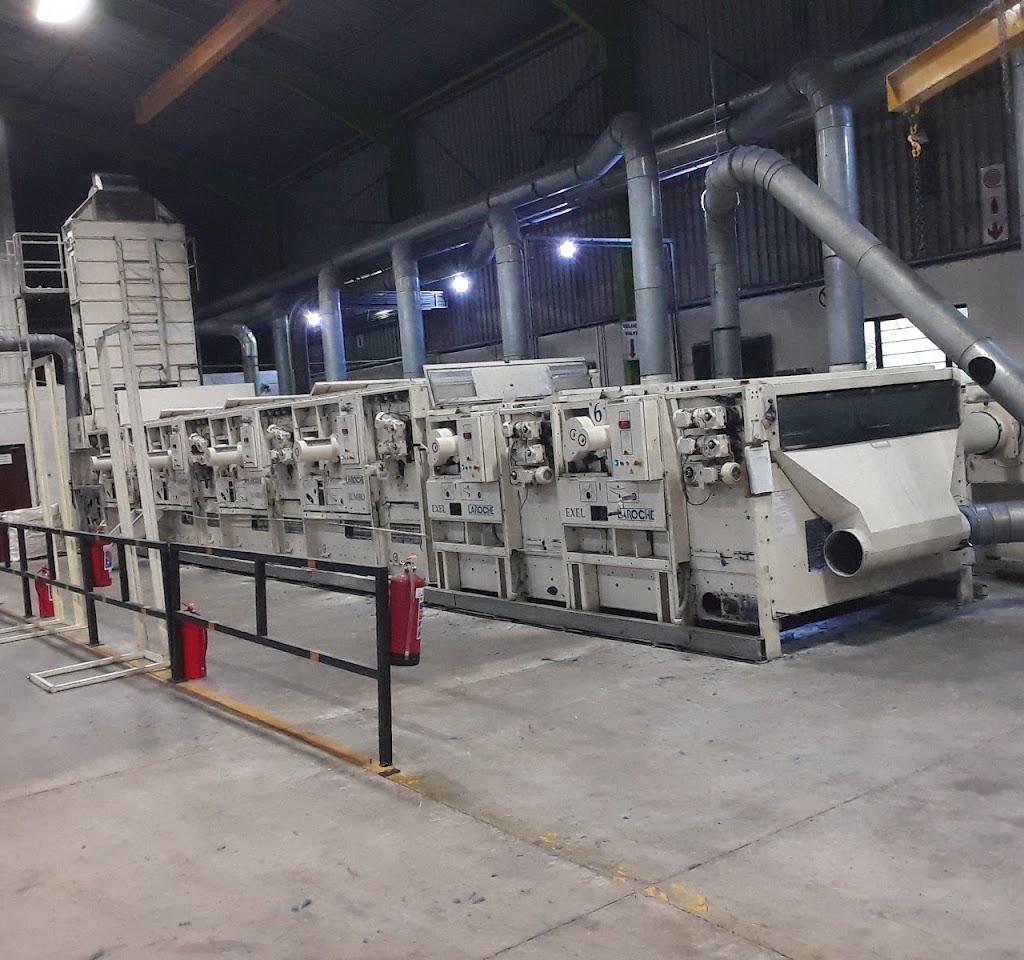
Connacher Natal operates as a textile recycling company focused on diverting cutting, milling, and trimming (CMT) waste from clothing and textile industries away from landfill. Based in Durban, KwaZulu-Natal, the business leverages state-of-the-art Laroche equipment to process and recycle textile waste, transforming it back into reusable fibre. The approach reflects a commitment to environmental stewardship, aiming to reduce bulky waste and conserve resources by reusing materials rather than discarding them.
Key services offered by Connacher Natal include the collection of CMT waste generated by textile and clothing operations. This collection service is paired with on-site processing that shreds and repurposes the material, converting waste streams into reusable fibre. The process is designed to minimise landfill input and lower the environmental footprint of textile production and post-consumer activities within the region.
The company emphasises reliability and environmental responsibility as core attributes. Connacher Natal highlights its status as an eco-friendly enterprise, backed by formal recognitions such as ISO certification and BBEE (Broad-Based Black Economic Empowerment) certification. These credentials signal a structured, quality-driven approach to waste management and recycling, alongside a commitment to broad participation and transformation within the local economy.
From an operational perspective, Connacher Natal is equipped to handle typical textile recycling workflows that originate from the clothing and textile sectors. The core activity involves receiving textile trimming waste, shredding it into fibre, and preparing it for further reuse or processing in recycling streams. The emphasis is on turning waste into a resource, thereby supporting circular economy practices within KwaZulu-Natal and the broader South African textile ecosystem.
Customer experience at Connacher Natal is shaped by the practical reality of working with a recycling partner that focuses on environmental outcomes and reliability. The business presents itself as a specialised, industrial-scale recycler rather than a consumer-facing service. Clients are likely to engage through established channels for waste intake, with the workflow centring on the orderly collection of CMT waste, secure handling of materials, and a clear pathway from waste to reusable fibre. The emphasis on ISO certification and BBEE status also suggests a structured quality management approach and a commitment to inclusive economic participation.
In terms of scope, Connacher Natal serves the Durban area and the broader KwaZulu-Natal region, positioning itself as a local authority on textile waste recycling for garment manufacturers, mills, and other entities involved in fabric production and cut-and-sew operations. The business’s environmental narrative indicates a focus on reducing landfill volumes and encouraging responsible waste practices among local textile players.
Practical tips for customers considering Connacher Natal include the following:
- Clarify the types of CMT waste accepted (e.g., trimming, offcuts) to ensure compatibility with the shredding and recycling process.
- Confirm preferred waste presentation and any preparation steps (such as sorting or containment) required for efficient collection and processing.
- Discuss throughput expectations and scheduling to align with production cycles and waste generation rates.
- Inquire about the environmental and social certifications (ISO, BBEE) and how these credentials fit with internal sustainability reporting.
- Ask about any documentation or reporting provided for waste minimisation progress and recycled fibre outcomes.
For organisations seeking to enhance their sustainability profile in textiles, Connacher Natal offers a local, certified option for turning waste into a resource. While detailed pricing, operating hours, and visit specifics are not outlined in the available materials, the emphasis rests on reliable waste collection, advanced processing capabilities, and compliance with recognised standards. The Durban-based service aligns with regional needs for responsible textile waste management and supports broader environmental objectives through practical recycling solutions.
Durban
KwaZulu-Natal
3699
South Africa
Sorry, no records were found. Please adjust your search criteria and try again.
Sorry, unable to load the Maps API.
Textile Exporter Services in Durban, KwaZulu-Natal: A Practical Overview
Durban, located on the eastern coast of South Africa in KwaZulu-Natal, is a recognised hub for textile trade, with exporters serving regional and international markets. The services typically offered by textile exporters in this area span the full spectrum of international commerce, from fabric sourcing and processing to shipment and logistical coordination. Operating in a port city with strong manufacturing clusters nearby, these exporters aim to streamline cross-border trade while meeting local regulatory requirements and customer specifications.
Industry players in Durban commonly provide access to a diverse range of textile products. These often include natural and synthetic fabrics, blended textiles, and finished textile goods suitable for apparel, home furnishings, and industrial applications. Export services may cover fabric greige goods, dyed or printed textiles, and technical fabrics used in sectors such as automotive, military, or consumer textiles. The emphasis tends to be on reliable supply chains, consistent quality, and timely delivery to global buyers. Customer expectations typically focus on product availability, traceability, and clear documentation that supports smooth customs clearance in destination markets.
Consultative elements are frequently part of the service mix. Exporters may assist clients in clarifying fabric specifications, testing requirements, and packaging standards to align with international regulations. Where appropriate, guidance on sourcing alternatives, lead times, and minimum order quantities helps buyers plan production schedules and inventory management. In many cases, exporters act as intermediaries between local manufacturers and overseas customers, coordinating orders, confirming fabric finishes, and arranging production milestones to synchronise with shipping windows.
Practical considerations characterise the Durban export environment. Proximity to the port and access to regional textile clusters can reduce lead times and facilitate logistics planning. Exporters often work with freight forwarders and shipping agents to arrange sea freight, optimise container utilisation, and manage export documentation such as commercial invoices, packing lists, certificates of origin, and any destination-specific requirements. Awareness of currency fluctuations, payment terms, and risk management practices is important in negotiations with international buyers. Compliance with South African trade and customs regulations, including export declarations and regulatory standards, is typically supported by the exporter to ensure a smooth transactional flow from factory to port.
Quality control forms a core component of exporter services. This includes supplier verification, material conformity checks, and sometimes third-party testing to validate colourfastness, dimensional stability, fibre content, and fabric performance. Documentation related to quality, hygiene, and safety may be prepared to support international audits or retailer compliance programmes. Packaging considerations are also addressed to withstand transit conditions; this may involve palletising, poly-wrapping, and other security measures designed to protect goods during long voyages.
The customer experience in Durban’s textile export sector tends to be characterised by professional communication, clear timelines, and evidence-based reporting. Buyers expect transparent status updates on production progress, order changes, and shipment readiness. After-sales support, including assistance with returns, quality disputes, or corrective actions, may be available through the exporter or the wider distribution network. For smaller brands or new entrants, scalable solutions and flexible lead times are often attractive features, enabling procurement cycles that align with seasonal demand and market opportunities in diverse regions.
When selecting a Durban-based textile exporter, prospective buyers typically consider alignment with the supplier’s capabilities, including product range, sustainability practices, and ability to accommodate custom specifications. Local knowledge of port procedures, regional logistics partners, and regulatory frameworks can contribute to a smoother export process. Overall, textile exporter services in Durban aim to deliver reliable product availability, clear documentation, and professional logistical support that enables international customers to source fabrics and finished textiles with confidence.
- Product sourcing and supplier liaison
- Fabric finishing, dyeing, and printing coordination
- Quality assurance, testing, and conformity documentation
- Packaging, palletisation, and export-ready preparation
- Export documentation, customs clearance coordination, and shipment scheduling
- Logistics planning with freight forwarders and port handling