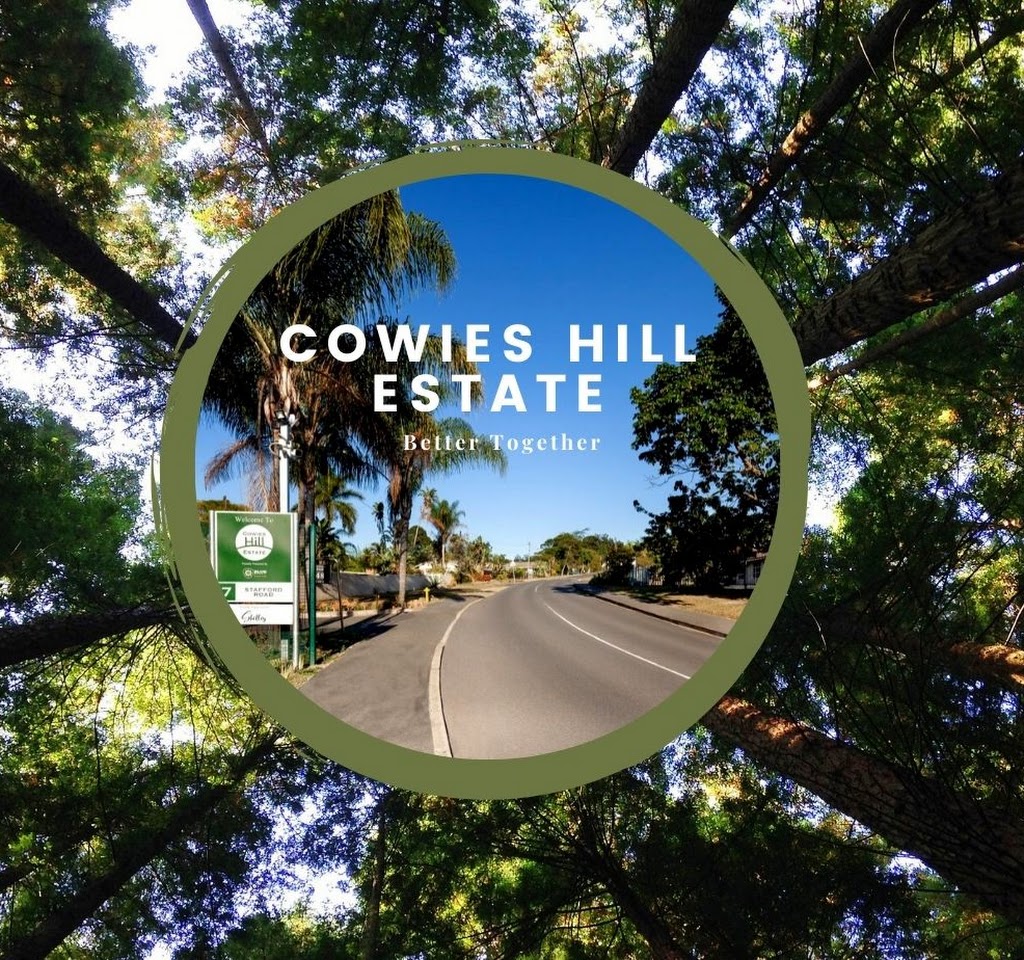
Cowies Hill Estate is a Residents association establishment in Pinetown, KwaZulu-Natal, South Africa
Cowies Hill Estate: Residents Association Services and Customer Experience
Cowies Hill Estate is positioned as a proactive, resident-led community in Pinetown, KwaZulu-Natal, formed to enhance safety, connectivity and the overall quality of suburban living. The Estate operates as a non-profit organisation (NPC) with a clear mandate to deliver privatised services that supplement municipal efforts, while maintaining transparent governance and a united community voice. The core aim is to create a safe, well-managed neighbourhood where residents feel connected to a dedicated team and to each other.
At the heart of the offering is a structured governance framework comprising a precinct team and an elected Estate Board. The precinct team includes dedicated members who manage daily operations on the ground, while the Board, led by a Chairperson and fellow directors, provides governance, strategic direction and community oversight. The leadership emphasises a united approach to security, environment, and long‑term value delivery, describing the Estate as a living model for suburban management that prioritises the common good of all residents, workers and visitors.
The Estate highlights a broad set of services designed to deliver a holistic living environment. Security and proactive crime prevention are emphasised as essential pillars, supported by a private‑sector approach that complements municipal services. The community seeks to establish quick and civil conflict resolution platforms, alongside access to modern, location‑relevant technologies and proactive policing strategies. This emphasis on security is framed as part of a wider objective to protect residents’ safety and property investments while preserving a welcoming, liveable neighbourhood.
Environmental stewardship is a notable strand of Cowies Hill Estate’s activity. The Biodiversity Restoration Project is led by conservation experts and a greening team, focusing on removing invasive alien plants and planting indigenous species. The project features the establishment of conservancies and public spaces with a commitment to sustainable landscaping, habitat restoration, and community involvement. The Cowies Hill Conservancy (a registered entity) coordinates donations and allocations to protect public safety, conserve the environment, and uplift common areas, while promoting indigenous planting and environmental awareness. Several Conservancy Areas are identified for intervention, including Tunbridge, Avon Place, Comrades Corner, MacDonald Road, and Palmiet River tributaries.
Environmental programmes are complemented by ongoing biodiversity documentation and reporting. The project maintains environmental portfolios and frequently communicates progress through reports and a dedicated blog, reflecting a culture of transparency and community engagement. Residents can expect regular updates on ecological activities, clean‑up projects, and opportunities to participate in environmental stewardship alongside professional staff and volunteers.
In terms of typical work and service activity, several categories emerge from public information:
- Security-oriented initiatives and patrols, with neighbourly collaboration to deter crime and protect property values.
- Biodiversity and green‑space management, including invasive species removal, indigenous planting, and habitat restoration near public spaces and along key corridors.
- Public‑space maintenance and landscaping within conservancy areas and verges, contributing to a tidy, visually cohesive neighbourhood.
- Community engagement and governance activities, such as town hall meetings, votes and door‑to‑door outreach to consolidate a common voice and direction.
- Educational and awareness activities, including environmental education and guidance for residents and local service contractors to uphold weed eradication and responsible gardening practices.
Requests and engagement typically flow through the NPC structure and the Conservancy, with residents participating via meetings, notifications and organised activities. The approach favours transparency and accountability, aiming to balance a private‑sector service model with community needs and neighbourly collaboration. While specific procedural details are not exhaustively described, the emphasis is on a collective, well‑funded model that enables timely delivery of services and improvements where municipal capacity is stretched.
Practical tips for residents and prospective members include:
- Familiarise with the Estate’s Conservancy Areas and how to participate in clean‑ups or planting projects; look out for notices and join community activities through official channels.
- Keep verges neat and report any issues affecting public spaces to help preserve the overall appearance and safety of the suburb.
- Engage with the precinct team and Board through established forums to understand upcoming projects, funding, and how contributions are allocated.
- Review environmental portfolios or reports to gain insight into biodiversity goals and progress, reinforcing a shared commitment to the suburb’s conservation ethos.
- Note the Estate’s central location and its role in bridging Cowies Hill with neighbouring communities, highlighting a focus on safety, environmental stewardship and enhanced property values.
Typical hours of operation and exact visit times are not detailed in public materials; however, the governance and activity cadence suggest a pattern of regular meetings, public updates and scheduled community events. The Estate serves Cowies Hill’s surrounding area as a model of proactive suburban management, aiming to deliver secure, well‑maintained living environments with an emphasis on collaboration, sustainability and long‑term investment in the neighbourhood’s future.
Pinetown
KwaZulu-Natal
3610
South Africa
Sorry, no records were found. Please adjust your search criteria and try again.
Sorry, unable to load the Maps API.
Residents association services in Pinetown, KwaZulu-Natal
In Pinetown, KwaZulu-Natal, residents associations typically function as a governance and service delivery mechanism for neighbourhoods, clusters and complexes. They play a key role in coordinating shared facilities, maintaining common property and fostering a sense of community among residents. The work carried out by these associations tends to combine administrative duties, practical maintenance, and liaison with municipal authorities to ensure consistency with local plans and by-laws.
Core services usually include the management of common areas and facilities. This encompasses routine maintenance of entrance roads, lighting, security features, communal gardens, and shared amenities such as clubhouses or boreholes where applicable. Regular upkeep aims to preserve property values and create a safe, tidy environment for residents. Maintenance programmes are often organised on a planned basis but may also respond to urgent repair needs after storms or heavy rainfall common to the region.
Financial administration forms a central pillar of residents associations. Levies collected from residents fund ongoing upkeep, security, insurance, and maintenance projects. Transparent budgeting, annual financial statements, and clear reporting are generally expected, with associations typically providing residents with information on how funds are allocated. Where possible, associations help residents understand the implications of levies, anticipated increases, and the timelines for planned improvements.
Governance and resident engagement are another focus area. Associations typically facilitate general meetings, committee elections, and the development of by-laws or house rules that reflect the specific dynamics of the neighbourhood. Communication channels—such as newsletters, notice boards, or resident portals—offer updates on repairs, projects, and key decisions. In Pinetown, the emphasis is often on practical, cross-community collaboration, ensuring residents have a voice in decisions that affect shared spaces and communal services.
Security and safety considerations are commonly addressed through collaboration with local security providers and neighbourhood watch groups. Associations may organise strategies for gate access, street lighting, and incident reporting to improve neighbourhood safety. In addition, they can coordinate with municipal authorities on street policing, traffic calming, and the enforcement of by-laws relevant to the area. While individual platforms or suppliers are not prescribed, the goal remains to create a safer, more predictable environment for residents.
Maintenance planning in Pinetown frequently covers landscaping, waste management, and the upkeep of shared infrastructure. Landscaping plans may include verge planting, pruning schedules, and the timely replacement of failing fixtures. Waste management within the community, including recycling initiatives or bulk waste disposal days, is commonly coordinated to align with municipal services. Any large-scale enhancements—such as refurbishing a communal space or upgrading lighting—are typically assessed for cost, benefit to residents, and long-term sustainability.
Practical considerations for residents include understanding the scope of the association’s responsibilities, the process for reporting issues, and the procedure for attending meetings. It is common for residents to receive notice of meetings well in advance, with agendas that outline ongoing projects, financial matters, and governance concerns. The local context in KwaZulu-Natal—including weather patterns, seasonal maintenance needs, and municipal service levels—can influence scheduling and priority setting. Some associations may also arrange external vendors for specialised work, subject to resident approval and transparent tender processes.
Overall, residents associations in Pinetown aim to balance effective, efficient management of shared spaces with inclusive resident participation. By coordinating maintenance, financial stewardship, governance, and safety efforts, these bodies strive to foster a well-run, neighbourly environment that aligns with local expectations and statutory requirements.